
Flowers
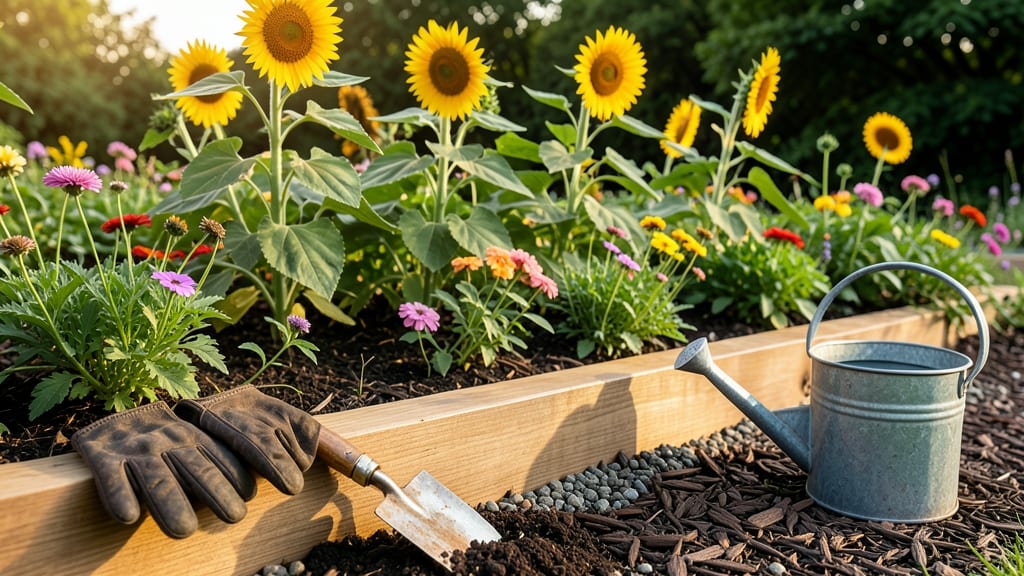
Your annual flower bed plans can bloom effortlessly all season long—zero deadheading required. 🌸 I’ve designed a layout that pairs self-cleaning flowers (like cosmos and zinnias) with bold foliage (like dusty miller) to create a low-maintenance showstopper that thrives with minimal fuss.
The secret? Three layers of height—tall backdrops (like sunflowers or snapdragons), mid-height blooms (salvia or celosia), and trailing plants (like sweet alyssum) to spill over edges. This structure keeps the bed lush and full without constant trimming.
Plus, I’ll show you how to stagger bloom times so you always have color, even in late summer. By the end, you’ll have a bed that looks like it took hours to maintain but actually requires just 10 minutes a month. The best part?
It attracts pollinators, repels pests, and handles drought better than most store-bought mixes. Ready to skip the deadheading forever?
Start with a sunny spot (6+ hours of light) and well-draining soil—amend with compost if yours is heavy clay. Choose drought-tolerant annuals like lantana, verbena, or gaillardia to cut back on watering. For shade beds, opt for impatiens, fuchsias, or caladiums—they’ll thrive without wilting.
The layout is simple: group plants by height and color families (purples together, reds together) to create visual impact. Use mulch to suppress weeds and retain moisture, and add a few evergreen fillers (like heuchera or hellebore) to keep structure year-round.
This combo ensures your bed stays vibrant even when some annuals fade.
Seasonal swaps make this plan work year after year. In spring, plant snapdragons and pansies; by summer, cosmos and zinnias take over; and in fall, mums and asters keep the show going.
The key is rotating varieties so the bed never looks bare. With this setup, you’ll enjoy continuous blooms without the upkeep of traditional flower beds.
📚 In This Guide
- What you need
- Instructions
- Tips and common mistakes
- Wrapping up and next steps
What you need
- ● Soil: 1–2 cubic yards of high-quality garden soil (amended with compost for drainage and nutrients).
- ○ Optional: Slow-release fertilizer (10-10-10 ratio, 20 lbs per 100 sq ft).
- ● Plants: Pre-selected self-cleaning annuals (e.g., Zinnias, Marigolds, Cosmos, Lantana). Quantities depend on bed size (aim for 1 plant per 6–12 sq inches for full coverage).
- ● Pro tip: Choose disease-resistant varieties to cut down on maintenance! 🌡️
- ● Mulch: 2–3 bags of organic mulch (e.g., shredded bark or pine straw, 2–3 inches deep).
- ● Tools: Garden trowel or hand shovel
- ● Garden fork (for aerating soil)
- ● Hose with spray nozzle or watering can
- ● Gloves (to keep your hands happy!)
- ○ Optional: Wheelbarrow (for hauling soil/mulch) or kneeling pad (for comfort).
- ● Measure your flower bed dimensions and sketch a rough layout (or use a pre-designed plan from our guide!).
- ● Clear the area of weeds, rocks, or debris (use a garden rake or weeding tool).
- ● Test your soil’s pH (aim for 6.0–7.0; adjust with lime or sulfur if needed).
- ○ Optional: Install edging (e.g., plastic, metal, or stone) to define the bed and reduce mulch/soil spillover.
Step-by-step instructions for designing low-maintenance annual flower beds
Here's how to create vibrant, self-sustaining flower beds that stay colorful all season without constant deadheading.
🪴 Step 1: Plan Your Color Sequence for Year-Long Blooms
Choose plants with staggered bloom times to ensure continuous color. Start with early spring bloomers like pansies or sweet alyssum, then layer in mid-season performers like impatiens or vinca, and finish with late-summer to fall varieties like cosmos or zinnias. I like to sketch a simple timeline on graph paper, marking each plant's bloom period with colored dots—this visual helps prevent gaps.
Select varieties with different heights to create natural tiers. Tall plants like sunflowers or snapdragons go at the back, medium-height flowers like petunias or salvias in the middle, and trailing plants like lobelia or creeping jenny at the front. This arrangement ensures every plant gets sunlight while creating visual interest from every angle. Remember, 3-4 inches of space between plants allows room for growth without overcrowding.
💧 Step 2: Prepare the Soil for Healthy, Drought-Tolerant Roots
Test your soil's drainage—if water pools after 30 minutes, amend with 2-3 inches of compost and a handful of perlite per square foot. I swear by a mix of 50% garden soil, 30% compost, and 20% perlite for annual beds because it retains moisture while preventing root rot. Work the amendments into the top 6-8 inches of soil to create a rich, airy foundation.
For containers or raised beds, use a lightweight potting mix blended with 20% coconut coir to improve water retention. The key is to mimic natural soil conditions—annuals thrive when their roots can breathe but still access consistent moisture. After amending, rake the surface smooth to create a level planting area, eliminating low spots where water could pool.
☀️ Step 3: Plant in Successive Waves for Nonstop Color
Begin by planting your earliest bloomers in late winter or early spring, then follow with mid-season varieties 4-6 weeks later, and finish with late-summer plants in early June. This staggered approach ensures you always have something in bloom. I plant in clusters of 3-5 plants per variety to create natural drifts—it looks fuller and hides any occasional gaps.
Water deeply immediately after planting to settle the soil around roots, then maintain 1 inch of water per week through rainfall or irrigation. The first two weeks are critical—keep the soil consistently moist (but not soggy) until plants establish roots. You'll know they're thriving when new leaves appear within 7-10 days and stems show firm, upright growth.
✂️ Step 4: Choose Self-Cleaning Varieties to Eliminate Deadheading
Select annuals known for their self-cleaning habits—varieties like cleome, cosmos, or zinnias naturally drop spent blooms without leaving bare stems. I avoid traditional petunias and geraniums because they require constant deadheading, but their self-cleaning cousins like supertunia petunias or ivy geraniums stay tidy with minimal effort. Read plant tags carefully—many modern hybrids are bred specifically for low maintenance.
For the few plants that do need occasional tidying, I use the "one-minute rule": if a plant takes less than a minute to deadhead, do it. But for the majority of your bed, focus on removing only the most unsightly blooms. The goal is 90% effort reduction—not perfection. You'll still get lush, colorful beds that require far less attention than traditional annual plantings.
🌿 Step 5: Mulch and Feed for Continuous, Low-Effort Growth
Apply 2-3 inches of organic mulch (like shredded bark or straw) immediately after planting to conserve moisture and suppress weeds. I always use a slow-release fertilizer at planting time—this feeds roots steadily for 3-4 months without the need for monthly applications. For longer seasons, top-dress with a light layer of compost in mid-summer to refresh nutrients.
Water at the base of plants in the morning to prevent fungal diseases—this simple habit keeps foliage dry and healthy. You'll notice your annuals respond immediately with stronger stems and more abundant blooms. The beauty of this system is that once established, your flower beds require only weekly watering and monthly feeding—no deadheading, no constant pruning, just pure, effortless color.
Tips & tricks for perfect annual flower beds
Here's what nobody tells you about creating flower beds that actually stay beautiful with minimal work.
Visual Planning Pays Off: Before you buy a single plant, sketch your bed layout on graph paper using colored dots to mark bloom periods. This simple step prevents those awkward gaps where nothing's flowering. I've seen gardeners spend hundreds on plants only to realize too late that their July bed is bare—don't make that mistake. Group plants with similar water needs together in your sketch too; this makes irrigation so much easier later.
Soil Test First: That 30-minute drainage test in Step 2 is non-negotiable. If your soil holds water longer than that, you're risking root rot before your plants even bloom. I've had to replant entire beds because I skipped this step—don't let that happen to you. For heavy clay soils, consider adding an extra inch of perlite to that 2-3 inch compost layer. The goal is soil that drains like a sponge but holds moisture like a damp towel.
Plant in Clusters, Not Rows: Forget the military precision of straight lines—natural drifts of 3-5 plants create that "wild but intentional" look while hiding any occasional gaps. This also mimics how flowers grow naturally in meadows. When planting those clusters, leave that 3-4 inch space between plants, but don't be afraid to get your hands dirty and adjust as you go. The first two weeks are critical for root establishment, so give your plants that consistent moisture during this period.
Mulch Like a Pro: That 2-3 inch layer of organic mulch isn't just decoration—it's your secret weapon against weeds and moisture loss. I use shredded bark because it breaks down slowly and improves soil structure over time. For containers, switch to pine fines or coconut coir which retain moisture better. The key is to keep mulch 2-3 inches away from plant stems to prevent rot. This simple habit cuts watering needs by nearly 50% once established.
Pro Tips for Annual Flower Bed Plans
- Here's what nobody tells you about creating flower beds that actually stay beautiful with minimal work.
- Visual Planning Pays Off: Before you buy a single plant, sketch your bed layout on graph paper using colored dots to mark bloom periods.
- Soil Test First: That 30-minute drainage test in Step 2 is non-negotiable.
Frequently asked questions
Got questions about creating stunning annual flower beds with minimal upkeep?
Here are some of the most common queries—and answers—to help you plan like a pro!
What’s the best time of year to plant annual flower beds?
For most regions, spring (after the last frost) and early fall (6-8 weeks before first frost) are ideal. Spring gives flowers time to establish roots before summer heat, while fall planting lets them thrive with cooler temps and fewer pests. Check your local frost dates for precision!
Can I mix perennials and annuals in the same bed?
Perennials (like coneflowers or hostas) provide structure, while annuals (like marigolds or petunias) fill gaps with color. Just space them strategically: place perennials toward the back/middle and annuals in front for a layered look. Annuals also hide perennials’ "brown phases" in late winter!
How do I keep my annuals blooming all season without deadheading?
Use self-cleaning annuals like zinnia, cosmos, or cleome—they drop old blooms naturally! For others, try succession planting: replace spent plants (e.g., pansies in summer) with heat-tolerant picks (like vinca or celosia). Mulch with slow-release fertilizer to feed roots consistently.
What’s the easiest low-maintenance annual for beginners?
Start with marigolds, petunias, or sweet alyssum—they’re drought-tolerant, pest-resistant, and thrive in full sun. For shade, impatiens or begonia are foolproof. Pro tip: Pre-plant with a slow-release granular fertilizer to cut back on watering and feeding!
Why are my annuals wilting or dying despite good care?
Check for these red flags:
- Overwatering: Yellow leaves or mushy stems? Let soil dry slightly between waterings.
- Underwatering: Crispy edges? Water deeply early morning to avoid fungal issues.
- Pests: Holes or chewed leaves? Spray with neem oil or introduce ladybugs.
- Poor drainage: Soggy soil? Amend with compost or raise beds slightly.
Wrapping up and next steps
Ready to transform your garden into a low-maintenance, high-impact paradise?
With the right annual flower bed plans, you can enjoy vibrant blooms all year—without the hassle of deadheading! 🌸 These easy-care designs focus on seasonal layers and self-cleaning plants, so you spend more time admiring your space and less time tending to it.
Now’s the perfect time to sketch your design, gather supplies, and get planting. Start small if you’re new, or go bold with a full-bed makeover—your garden deserves it! 🌿 Check out our step-by-step guide to turn your vision into reality.