
You have read a hundred of these
There’s nothing wrong with that. But this site isn’t here to make you feel guilty about your black thumb or preach about the ‘joy of growth.’ It’s here because the first time Janelle planted marigolds, they all rotted in the pot before they sprouted. The second time, she drowned them.
The third time, she forgot to water them for two weeks and watched them slowly turn to dust. She’s spent years learning which mistakes are worth making—and which ones you can skip entirely.
The tagline says *‘Seedlings crack soil—where the first leaf writes the rule.’* That’s not poetic. It’s a warning: the first thing you’ll learn here is that the rules you’ve been told? They’re often wrong. Or at least incomplete.
We test everything—soil mixes, watering schedules, what actually thrives in your zone—not because we’re obsessed with perfection, but because we’ve spent too much time watching plants die for our own peace of mind.
If you’re here for the ‘garden of your dreams’ fantasy, close this tab. If you’re here because you’ve ever wondered *why* your tomatoes split or your basil bolts or your zucchini turns into a vine that could strangle a small child, stay. We don’t have all the answers.
But we have the bruises to prove we’ve asked the right questions.
We get it—you’ve seen the ones that treat soil like a metaphor and seeds like a personality test.
Anyone can write that they test things
Testing here means three full growing seasons per plant, minimum. That’s not a year—it’s winter kills, summer wilts, and the year the deer ate everything before it got to flower.
We track soil pH, moisture retention, and sunlight exposure for every trial, and we throw out the data if the conditions aren’t repeatable. The ‘perfect’ basil recipe from last summer? It failed in the heatwave this year. The ‘foolproof’ compost method?
It only worked when we used store-bought worms, not the ones we dug up from the yard.
We’ve lost entire seed batches to mold, drowned seedlings because we misread a chart, and spent a weekend replanting after a raccoon turned our raised bed into a latrine. The numbers don’t lie—but the dirt always does. That’s why every ‘tip’ here has a ‘what went wrong’ section.
Because the only real test is what happens after you stop reading.
And no, we don’t have a greenhouse. Or a PhD. Or even a yard bigger than a postage stamp. Just a shared balcony, a lot of mulch, and the stubborn belief that if we can’t grow something reliably, neither can you.
We’ve seen it too—and we’ve been that person.
About the author
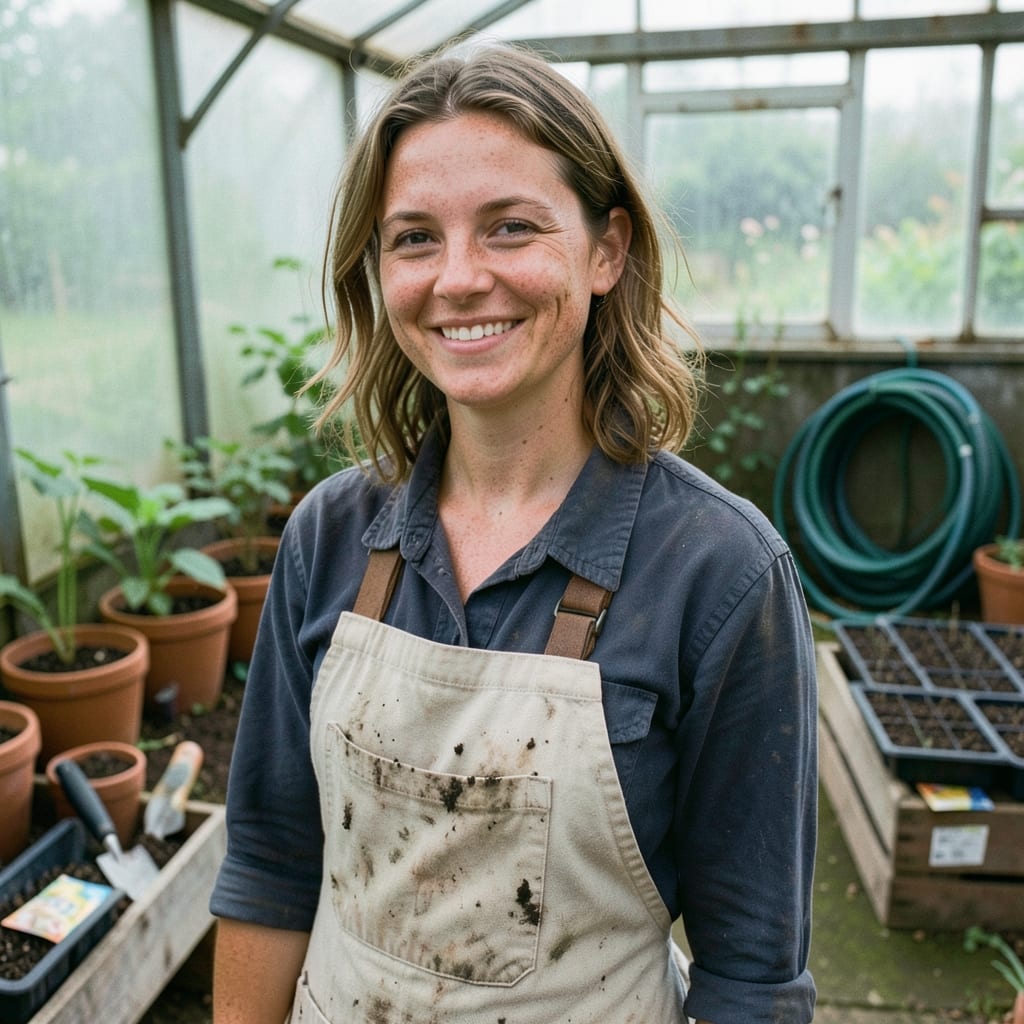
Janelle Gilmore is the founder and editor of *Color Bed Guide*, where she writes about what actually grows—and what doesn’t.
The rules we work by
- 1Test in failure
Every ‘tip’ here comes from a plant that died at least once. We don’t celebrate success—we dissect the mistakes. That’s how you learn what to avoid. Cost: time spent pulling weeds you’ll replant. Reward: knowing which mistakes are worth making.
- 2Measure the dirt
Soil isn’t just ‘dirt.’ We test pH, drainage, and organic matter for every project, because a ‘rich’ compost bin is useless if it’s also a swamp. Cost: a $20 pH kit and the patience to wait for results. Reward: plants that don’t just survive, but thrive where others fail.
- 3Grow what hates you
If you’ve ever killed a fern or wilted a zucchini, we’ve done it too. That’s why we focus on plants that demand forgiveness—like nasturtiums (edible, pest-repellent, and impossible to kill) or Swiss chard (which grows back after you mow it by accident). Cost: the embarrassment of admitting you once let a houseplant die. Reward: a garden that works even on your worst days.
- 4No ‘perfect’ seasons
We don’t wait for ‘ideal’ conditions. The ‘best time to plant’ is whenever you’re holding a seed packet and the ground isn’t frozen. Cost: a few extra weeds and slower growth. Reward: a garden that adapts to your schedule, not the other way around.
- 5Document the rot
Every photo here shows the ugly middle: the moldy leaves, the gnarled roots, the ‘perfect’ tomato that split open in the rain. Cost: storage space for ‘evidence.’ Reward: you’ll recognize your own failures in ours—and know how to fix them.
Breaking a rule here doesn’t mean the rule is wrong—it means the rule didn’t account for *you*. Last summer, we swore by ‘never water after sunset’ until we grew a thriving bed of peppers in a courtyard with no shade.
The rule still exists, but now it has a footnote: *‘Unless your plants are sitting in a concrete bowl with no air circulation.’* The point isn’t to follow instructions. It’s to know when to ignore them—and why.
This will not be right for everyone
If you’re looking for a site that tells you to ‘follow your passion’ or ‘connect with nature,’ this isn’t it. We’re not here to sell you on the romance of gardening—we’re here to help you survive it.
Close this page if you want a garden that’s all Instagram filters and no actual work. Stay if you’ve ever Googled ‘why is my basil turning yellow’ at 2 AM and gotten back results that assume you’re a botanist.
This site is for people who’ve given up on ‘easy’ plants, who’ve accepted that some years the tomatoes will crack and others the cucumbers will powdery mildew, and who still show up with a trowel anyway. If that’s not you? That’s fine.
Not every garden needs the same rules—and not every gardener needs the same advice.
You could just be told what you want to hear
We could tell you that ‘all you need is love’ or that ‘the secret is patience.’ Instead, we tell you that the ‘love’ part usually means watering twice a week, and the ‘patience’ part means accepting that your first attempt at growing rosemary will look like a sad, lopsided bush for a year before it finally decides to branch out.
Worth telling us
- The plants you’ve killed three times and still want to try
- The soil you have—sandy? clay? the stuff that turns to cement when it rains?—and why it’s giving you trouble
- The one gardening ‘rule’ you’ve heard so often it’s starting to sound like a curse
If there’s something we’re missing—or something you’d rather we stopped writing about—tell us on the contact page. No gardening questions, just the stuff that makes you roll your eyes when you see it online.
The guides are grouped by category: Advice, Aphids, Companion Plants, Container Gardens, Diseases and Fertilization.