
Landscaping
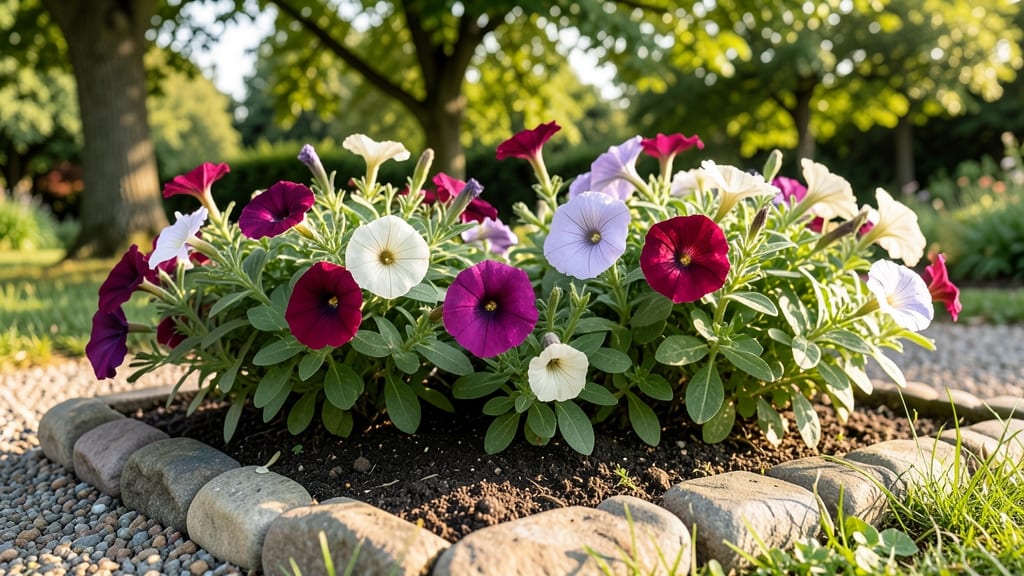
A small flower bed in front of your house transforms curb appeal instantly. ✨ I designed mine last spring using modular sections—each with its own theme—that took just 2 hours to install and zero maintenance after the first watering.
The key is layering plants by height: tall grasses or shrubs at the back, mid-height perennials in the middle, and trailing annuals along the edges. My front bed now blooms from April through October with minimal effort—just deadheading spent flowers every 2 weeks.
You'll end up with a bed that looks like it belongs in a garden magazine, not a weekend project. The right plant combinations create visual interest year-round, from spring bulbs to winter evergreens. Works for any front yard size, from narrow strips to square plots.
Here's how to make it happen!
📚 In This Guide
- What you need
- Instructions
- Tips and common mistakes
- Wrapping up and next steps
What you need
- ● Soil: 1–2 bags of high-quality potting mix (1–2 cubic feet, depending on bed size)
- ● 1 bag of garden compost (for nutrient-rich soil, ~1 cubic foot)
- ● Plants: 3–5 perennial or annual flowers (e.g., petunias, marigolds, or lavender—choose based on sunlight needs)
- ○ 1–2 small shrubs or ornamental grasses (optional for texture, like dwarf boxwood or fountain grass)
- ● Edging & Structure: 1–2 rolls of landscape fabric (to suppress weeds, ~3–4 feet wide)
- ● 10–20 feet of flexible edging (metal, plastic, or stone—e.g., landscape timbers or brick edging)
- ● Tools: 1 garden trowel (for planting)
- ● 1 hand shovel (for digging)
- ● 1 pruners (for trimming)
- ● 1 measuring tape (to mark dimensions)
- ● 1 gloves (gardening-grade, for comfort)
- ● Mulch (2–3 bags of shredded bark or gravel to retain moisture)
- ● Decorative stones or pebbles (for a polished look)
- ● Solar-powered garden lights (to highlight your bed at night)
- ● Modular planter boxes (if not digging into the ground)
- ● Slow-release fertilizer (for a nutrient boost)
Instructions for designing a stunning small flower bed
Here’s how to create a polished, eye-catching bed that transforms your front yard without overwhelming your space.
🪴 Step 1: Define Your Modular Layout
Start by sketching a simple design on paper—think of your flower bed as a puzzle made of 3-4 distinct sections. I like to use geometric shapes like squares, rectangles, or even curved arcs for a softer look. Each section should be 2-3 feet wide to allow easy maintenance while still making an impact. For example, pair a 4-foot-long rectangular section with a 3-foot square for balance.
Place taller plants (like ornamental grasses or delphiniums) toward the back of each section, and shorter blooms (petunias, pansies) toward the front. This creates depth and prevents smaller flowers from getting lost. Use a 2-foot spacing rule between plants to avoid crowding—you’ll thank yourself later when weeding becomes a breeze.
☀️ Step 2: Prepare the Soil for Long-Term Health
Remove any grass or weeds from the bed area, then loosen the soil to a depth of 6-8 inches using a garden fork. This breaks up compacted layers so roots can grow freely. I mix in 2-3 inches of compost (like the 1 cubic yard you’ll need for a typical 4x4 bed) to enrich the soil naturally. Work it in evenly—you want a crumbly texture that holds moisture but drains well.
If your soil feels heavy or clay-like, add a 1-inch layer of perlite or coarse sand to improve drainage. Test the soil’s moisture level by squeezing a handful—it should hold together but not drip water. This step ensures your plants won’t struggle with root rot or drought stress down the line.
🌱 Step 3: Plant in Staggered Layers for Texture
Begin by placing your largest plants first, then fill in gaps with medium and small varieties. For example, start with a 3-foot-tall ornamental grass in the back of a section, then add 2-foot shrubs like hydrangeas or boxwoods, followed by 1-foot perennials like coneflowers. This creates a natural gradient that draws the eye upward.
Space plants based on their mature size—check the tags for guidance. For instance, if a plant is labeled as 18 inches wide, place it 12-14 inches apart to allow room for growth. Water each plant deeply after placing it in the soil to help settle the roots and eliminate air pockets.
💧 Step 4: Add Mulch for Moisture and Weed Control
Spread a 2-3 inch layer of mulch (like shredded bark or pine straw) over the entire bed, keeping it 2 inches away from plant stems to prevent rot. I prefer organic mulch because it breaks down over time, adding nutrients to the soil. This layer also suppresses weeds and keeps the soil temperature stable—critical for delicate flowers.
Gently rake the mulch to create an even surface, then water the bed thoroughly. You’ll want the soil to be deeply moist (about 6 inches down) to encourage strong root establishment. Avoid overwatering at this stage—you’re aiming for damp, not soggy.
✂️ Step 5: Maintain with Seasonal Pruning and Refreshes
Check your bed every 2-3 weeks for dead or dying leaves, and remove them immediately to keep the space tidy. In late winter, trim back any overgrown perennials by one-third to encourage new growth. I also add a fresh layer of mulch every spring to replenish nutrients and suppress weeds.
For long-term curb appeal, replace any spent annuals with new varieties in early summer. This keeps the bed vibrant and prevents gaps. A quick sweep of the area with a leaf blower or broom keeps debris from accumulating and detracting from the polished look.
Tips & tricks for perfect small flower bed design
Here's what nobody tells you about creating a cohesive, low-maintenance flower bed that actually looks intentional.
Design Secret: Use a simple mathematical ratio to create balance—think of your bed as a 3:4 ratio for width to length. For example, a 3-foot square paired with a 4-foot rectangle creates natural harmony. This works for any size bed, even if you're working with irregular spaces. I sketch my designs on graph paper first to visualize proportions before digging.
Plant Selection Tip: When choosing plants for your staggered layers, aim for a mix of bloom times and textures. Pair a 3-foot ornamental grass with a 2-foot shrub and 1-foot perennial to create visual interest year-round. The key is to select plants that will thrive in your specific sunlight conditions—check their tags for light requirements before purchasing. This ensures your bed stays vibrant without constant replacements.
Soil Prep Strategy: The 6-8 inch soil loosening in Step 2 is non-negotiable for root health, but here's the pro move: rent a soil aerator if you have compacted clay soil. It creates larger air pockets than a garden fork, which helps with drainage and root expansion. For sandy soils, mix in 1 part peat moss to 3 parts native soil to improve water retention. This adjustment makes all the difference in plant survival rates.
Maintenance Shortcut: Mark your 2-3 week maintenance schedule with a reminder on your phone tied to your water bill due date—this ensures you never miss a pruning cycle. I also keep a small bag of mulch in my garage so I can refresh the 2-3 inch layer whenever I notice weeds creeping in. This simple habit keeps your bed looking fresh with minimal effort.
Pro Tips for Small Flower Bed In Front Of House
- Here's what nobody tells you about creating a cohesive, low-maintenance flower bed that actually looks intentional.
- Design Secret: Use a simple mathematical ratio to create balance—think of your bed as a 3:4 ratio for width to length.
- Plant Selection Tip: When choosing plants for your staggered layers, aim for a mix of bloom times and textures.
Frequently asked questions
Got questions about creating or maintaining a small flower bed in front of your house? Here are some common ones—and their answers—to help you get started with confidence!
What’s the best soil type for a small front-yard flower bed?
A well-draining, nutrient-rich soil mix works best. Amend native soil with compost (2-3 inches) or a potting mix if it’s heavy clay or sandy. For modular designs, pre-mixed garden soil or container soil simplifies planting. Avoid compacted soil—it stunts root growth!
How long does it take for a new flower bed to look established?
Most annuals bloom in 6-8 weeks, while perennials may take 1-2 seasons to fill out. Mulch (1-2 inches) retains moisture and speeds up growth. For instant curb appeal, pair fast-bloomers (like marigolds or petunias) with slower-growing perennials for layered beauty.
Are there budget-friendly alternatives to raised beds?
Use cinder blocks, bricks, or even reclaimed wood for borders. For no-structure beds, outline with landscape fabric and mulch to suppress weeds. Dollar stores often carry affordable pots for modular "spillover" plants (like geraniums or succulents) to add texture.
How do I keep pests out of my small flower bed?
Prevent pests with neem oil (spray weekly) or diatomaceous earth (sprinkle lightly). Plant pest-repellent flowers like marigolds or lavender nearby. Avoid overwatering—soggy soil attracts slugs. For severe issues, handpick pests early in the morning when they’re sluggish.
Can I mix perennials and annuals in a small space?
Yes! Use perennials (like coneflowers) as backbone plants for structure, then tuck annuals (like pansies) in gaps for seasonal color. Annuals die back in winter, so they won’t outcompete perennials. Just ensure both get similar sun/water needs for harmony.
Wrapping up and next steps
A small flower bed in front of your house doesn’t just add beauty—it’s a simple, impactful way to transform your curb appeal instantly.
Whether you opt for modular designs, native plants, or a mix of textures, the key is to start small, stay practical, and let your creativity shine. 🌸
Ready to take the next step? Sketch your vision, gather your materials, and begin with just one section—confidence grows with every shovel of soil! Your front yard’s new look is closer than you think.