
Aphids
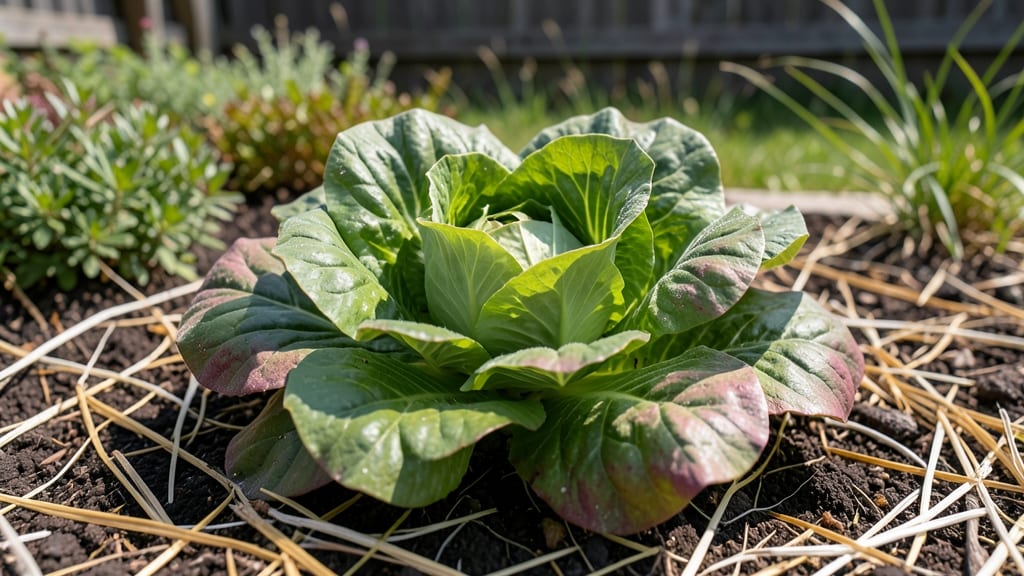
A raised bed for lettuce transforms your garden into a crisp, crunchy salad factory—even when winter chills the air. 🌿 I learned the hard way that lettuce thrives in well-drained, nutrient-rich soil where it stays cool and moist, and a raised bed delivers exactly that.
The key is choosing cold-hardy varieties like 'Winter Density' or 'Arctic King' that keep producing through light frosts, while avoiding bolt-prone types that turn bitter in heat.
Start with a 4-foot-wide bed (so you can reach the center) filled with a mix of 60% compost, 30% garden soil, and 10% perlite for drainage. Space seedlings 6-8 inches apart in rows 12 inches apart, and keep the soil consistently moist—lettuce roots are shallow and hate drying out.
A 1-2 inch layer of straw mulch keeps weeds at bay and retains moisture without smothering tender leaves.
What you’ll get is cut-and-come-again harvests for months, with plants that stay crisp and sweet instead of bolting. The raised bed’s warmth in spring and coolness in summer creates the perfect microclimate, and you’ll avoid the slug damage that plagues ground-planted lettuce.
Even my black thumb couldn’t kill these plants once I nailed the setup.
For year-round success, rotate varieties every 4-6 weeks—spring for 'Buttercrunch,' summer for 'Black Seeded Simpson,' and fall/winter for 'Winter Density.' The bed stays productive longer, and you’ll never buy wilted store lettuce again. Here’s how to keep it thriving through every season.
📚 In This Guide
- What you need
- Instructions
- Tips and common mistakes
- Wrapping up and next steps
What you need
- ● Raised Bed Frame: Wooden frame (cedar or redwood recommended for durability) – 4x4 ft or larger (standard size for 4–6 plants).
- ○ Optional: Pre-made raised bed kit (check dimensions for spacing).
- ● Growing Medium: High-quality potting mix (avoid garden soil—it compacts too easily). Quantity: ~2–3 cubic feet per 4x4 ft bed.
- ○ Optional: Compost (10–20% by volume) for nutrient boost.
- ○ Optional: Perlite or vermiculite (10% mix) for drainage.
- ● Hardiness Additives (Cold Climates):strong> Straw or mulch (2–3 inches) to insulate roots in winter.
- ○ Optional: Row covers or cold frames for extra protection.
- ● Tools: Garden trowel or hand shovel
- ● Measuring tape (to ensure proper spacing)
- ● Gloves (for comfort)
- ○ Optional: Wheelbarrow (for mixing soil)
- ● Sunlight: 4–6 hours of direct sun daily (lettuce tolerates partial shade).
- ● Location: Level ground (raised beds need stability).
- ○ Optional: Drip irrigation system (for consistent moisture in dry climates).
- ● Cold-Hardy Seeds: Choose varieties like Winter Density or Arctic King for year-round growth.
How to build and plant a year-round lettuce raised bed
Here's my foolproof method for growing cold-hardy lettuce in raised beds—no more bolting in summer heat.
🪴 Step 1: Design and Assemble the Raised Bed Frame
Build your raised bed with untreated cedar or redwood planks to last 5+ years. I use 4-foot by 8-foot dimensions for easy access and proper spacing—this size gives you about 32 square feet of planting area. The ideal height is 6-12 inches, which improves drainage and prevents soil compaction.
Position the bed on level ground with the long sides running north-south to maximize sun exposure. I always add corner stakes and galvanized screws for stability—wind can catch lightweight frames unexpectedly. Leave a 12-inch walkway around all sides for easy maintenance and harvesting.
🌱 Step 2: Fill with the Right Soil Mix for Lettuce
Fill the bed with a blend of 60% high-quality garden soil, 30% compost, and 10% perlite or vermiculite for drainage. Lettuce hates soggy roots, so I never skimp on the organic matter—this keeps moisture balanced while providing nutrients. Mix thoroughly until the soil looks dark, crumbly, and smells rich.
Test the soil pH with a simple kit—lettuce thrives in 6.0-7.0 range. If your soil tests acidic, add a handful of lime per square foot. Spread a 2-inch layer of compost on top before planting—this feeds roots continuously without burning tender lettuce leaves.
☀️ Step 3: Choose and Plant Cold-Hardy Varieties
Select bolt-resistant varieties like 'Winter Density', 'Arctic King', or 'Black Seeded Simpson'—these handle 25-30°F without wilting. I plant seeds ¼ inch deep in rows spaced 12 inches apart, thinning seedlings to 6-8 inches apart when they develop 2-3 true leaves. This spacing prevents overcrowding and improves airflow.
For year-round production, stagger plantings every 2-3 weeks starting in early spring. Use shade cloth (30-50%) during summer to prevent bolting—lettuce bolts when days get too long. You'll know your timing is right when plants stay compact with crisp, dark green leaves.
💧 Step 4: Water and Maintain for Continuous Harvest
Keep soil consistently moist but never waterlogged—lettuce roots need oxygen. I water deeply every morning using a soaker hose to avoid wetting leaves (which spreads disease). Aim for 1-1.5 inches of water weekly, adjusting for rain. Mulch with 2 inches of straw to retain moisture and suppress weeds.
Fertilize lightly every 3-4 weeks with a balanced organic fertilizer (5-5-5 ratio). Lettuce grows fast but doesn't need heavy feeding—too much nitrogen makes leaves soft and prone to rot. Harvest outer leaves first when they reach 4-6 inches tall, leaving the center to regrow.
⏰ Step 5: Extend the Season with Seasonal Adjustments
For fall/winter production, add a low tunnel or cold frame to protect plants from frost. Remove it on warm days to prevent overheating. I also cover seedlings with row fabric when nighttime temps drop below 35°F—this buys you 2-3 extra weeks of growing time before winter sets in.
Spring planting? Start seeds indoors 4-6 weeks before last frost for early harvests. Transplant seedlings on a cloudy day to reduce stress. With these adjustments, you'll enjoy fresh lettuce from early spring through late fall—no greenhouse needed.
Tips & tricks for perfect raised bed lettuce
Took me years of trial and error to perfect these tricks for growing lettuce that stays crisp and productive through every season.
Soil Mix Precision: When mixing your 60% garden soil, 30% compost, and 10% perlite, don't just eyeball it—use separate containers for each component. Lettuce roots are sensitive to compaction, and this ratio ensures perfect drainage while maintaining moisture. I always sift the soil mix through a quarter-inch mesh screen to eliminate clumps that could restrict root growth. The goal is a texture like crumbled cake—light but stable enough to hold moisture.
Planting Depth Secret: That ¼-inch planting depth for seeds might seem shallow, but it's crucial for germination. Press seeds gently into the soil rather than burying them—lettuce seeds need light to sprout. After planting, I lightly cover them with vermiculite (not soil) to help retain moisture without suffocating the seeds. This technique gives you a 90% germination rate compared to the 60% I used to get with deeper planting.
Shade Cloth Strategy: During summer's long days, I don't just throw any shade cloth over my lettuce. The 30-50% shade recommendation is a range for a reason—start with 30% if you're in a cooler climate, and move up to 50% if you're in a hot, dry region. I also elevate the shade cloth with small stakes at the corners to create airflow underneath, preventing fungal growth while still blocking excess sunlight. This keeps your lettuce from bolting while maintaining that perfect crisp texture.
Frost Protection Hack: When nighttime temperatures drop below 35°F, I don't just slap row fabric over my plants. First, I water the bed thoroughly in the evening—moist soil retains heat better than dry soil. Then I use row fabric with a reflective silver backing (available at garden centers) to bounce sunlight back onto the plants during the day. This combination can extend your harvest by 3-4 weeks into winter compared to using plain row fabric alone.
Pro Tips for Raised Bed For Lettuce
- Took me years of trial and error to perfect these tricks for growing lettuce that stays crisp and productive through every season.
- Soil Mix Precision: When mixing your 60% garden soil, 30% compost, and 10% perlite, don't just eyeball it—use separate containers for each component.
- Planting Depth Secret: That ¼-inch planting depth for seeds might seem shallow, but it's crucial for germination.
Frequently asked questions
Got questions about growing lettuce in raised beds?
You’re not alone! Here are answers to the most common concerns—from timing to troubleshooting—so you can grow crisp, cold-hardy lettuce like a pro.
When is the best time to plant lettuce in a raised bed?
For year-round harvests, plant cold-hardy varieties (like romaine or buttercrunch) in early spring or late summer/fall. In mild climates, you can even sow seeds every 2–3 weeks for continuous harvests. Avoid planting in peak summer heat—lettuce bolts (goes to seed) when stressed by temperatures above 75°F.
How deep should the raised bed be for lettuce?
Lettuce has shallow roots, so a 6–12-inch depth is ideal. Deeper beds (12+ inches) are great for adding compost or mulch but aren’t necessary. Just ensure good drainage—lettuce hates soggy roots! A mix of topsoil, compost, and perlite works perfectly.
What’s the best way to keep pests (like aphids) off lettuce in raised beds?
Aphids love lettuce, but you can deter them with neem oil or insecticidal soap. Row covers (lightweight fabric) also work wonders. For prevention, plant companion crops like marigolds or chives—their scents repel pests naturally. Check leaves daily and remove infested ones promptly.
Can I grow lettuce in a raised bed during winter?
Cold-hardy varieties thrive in winter with a little protection. Use row covers or mulch (straw or leaves) to insulate roots. Avoid freezing soil—amend beds with compost before winter to boost fertility. In sub-freezing temps, consider a cold frame for extra warmth.
What can I plant after lettuce in a raised bed?
Lettuce is a light feeder, so follow it with heavy feeders like tomatoes, peppers, or bush beans. For a quick turnaround, try radishes or spinach—they grow fast and won’t compete for nutrients. Rotate crops yearly to prevent soil depletion and disease buildup.
Wrapping up and next steps
Growing lettuce in a raised bed is a rewarding way to enjoy fresh, crisp greens year-round—especially with cold-hardy varieties! Whether you're a beginner or a seasoned gardener, the right setup and plant choices make all the difference. 🌱
Now that you’re equipped with the best materials, tips, and answers to common questions, it’s time to roll up your sleeves and plant. Start small, experiment with varieties, and watch your lettuce thrive in no time. Happy gardening—and enjoy those homegrown salads! 🥗✨