
Pests
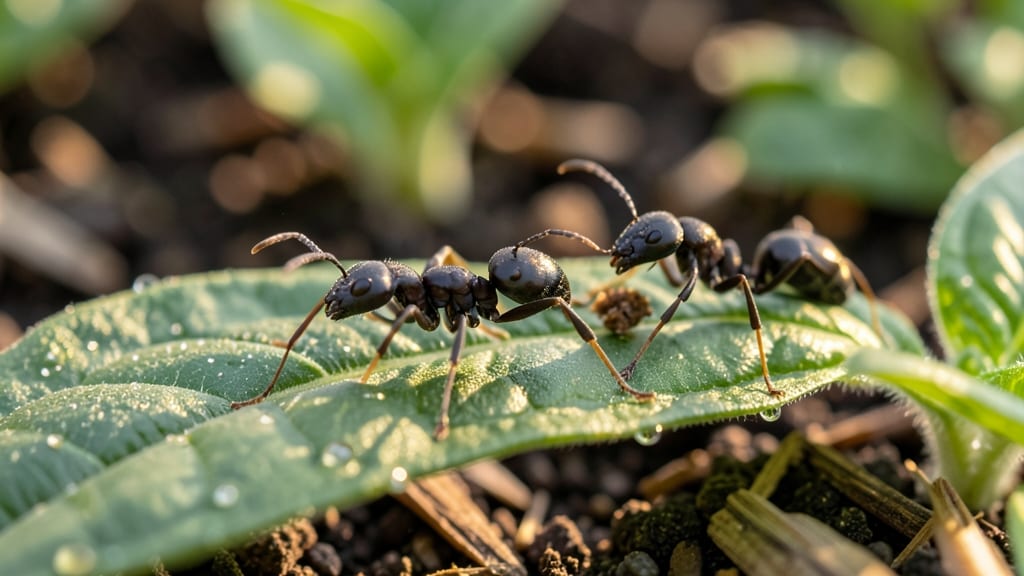
Ants in the raised bed vegetable garden aren’t just annoying—they’re stealing nutrients from your plants and inviting bigger pests. 🐜 I’ve battled them for years, and these organic barriers finally gave me the upper hand without harming my garden’s ecosystem.
The key is blocking their trails before they become a problem. Diatomaceous earth works like a natural sandcastle, while cinnamon acts as a repellent that won’t wash away in rain. Both keep them out without chemicals that could harm your veggies.
You’ll see fewer ants within 3-5 days, and your plants will thrive without hidden damage. The best part? These methods protect your soil’s health while keeping pests at bay naturally. Works for any raised bed, whether you’re growing tomatoes, lettuce, or herbs. Let’s get those trails blocked for good!
Root Causes Of Ant Invasions
Ants in your raised bed vegetable garden aren’t just random visitors—they’re drawn by specific factors that create an inviting environment. Understanding these triggers helps you address the problem at its source. Here’s why these tiny pests show up in your garden:
Ants are attracted to sugary honeydew produced by sap-sucking insects like aphids, scale, and whiteflies. These pests feed on plant juices, excreting sticky, sweet waste that ants love as a food source. Even healthy plants can become ant magnets if they host these hidden guests.
Actionable science:
- Sugar = Ant Traffic Light 🚦: Ants follow pheromone trails to honeydew, which can also attract wasps and other pests.
- Starchy roots & tubers (like potatoes or carrots) provide protein-rich food for ant larvae, making your garden a nursery.
- Solution: Inspect leaves for sticky residue or tiny insects. Treat aphids with neem oil or introduce ladybugs (natural predators) to break the cycle.
Ants thrive in humid, shaded microclimates where moisture lingers. Raised beds retain water differently than ground soil, creating pockets of dampness that ants exploit for hydration and nesting. Wooden beds, in particular, offer natural shelter and insulation, making them prime real estate.
Key triggers:
- Overwatering or poor drainage creates soggy soil—ants need moisture but not standing water.
- Leaf litter, mulch, or debris near the bed provides cover for trails and colonies.
- Cracks in bed frames or gaps in hardware cloth allow ants to crawl inside undetected.
Pro tip: 💡 Use gravel or coarse sand at the bed’s base to improve drainage and deter moisture-loving ants.
Worker ants forage for protein to feed their queen and larvae, and your garden’s organic matter is a buffet. Decaying plant material, fallen fruit, or even pet waste (if nearby) releases amino acids that ants can’t resist.
Some species, like fire ants, actively hunt for grubs and insects to supplement their diet.
What’s on the menu?
- Decomposing veggie scraps (e.g., rotting tomatoes or squash).
- Earthworms or insect eggs in loose soil—ants farm these like cattle.
- Compost piles adjacent to beds (even "finished" compost can attract foragers).
Solution: Remove fallen produce promptly and avoid over-fertilizing with high-protein amendments like blood meal.
Ants don’t just wander in—they engineer highways using:
- Plant stems or vines (like cucumbers or beans) as bridges to cross into beds.
- Mulch or bark piled against the bed’s edges, creating undisturbed trails.
- Gaps in physical barriers (e.g., missing hardware cloth or uneven bed edges).
Science in action: Ants release pheromones to mark trails, reinforcing paths that lead to food. A single scout can turn your garden into a superhighway in days.
Quick fix: 🔥 Disrupt trails by sprinkling diatomaceous earth (food-grade) or crushed eggshells along entry points—ants avoid these abrasive textures.
Sometimes, well-meaning gardening practices backfire by attracting ants:
- Planting ant-friendly crops like melons, citrus, or fruit trees (their flowers produce nectar).
- Using sugary fertilizers (e.g., fish emulsion) that leak into the soil.
- Ignoring early signs, like tiny mounds near the bed’s perimeter—a colony’s "real estate scout" phase.
Red flag: If you see ants carrying white grubs, they’re farming them for larvae food. This often means grubs from beetles or flies are already in your soil.
Ant activity spikes during:
- Warm, humid weather (60–85°F), when foraging peaks.
- After rain, when moisture softens soil and triggers trail-laying.
- Late summer, when food sources (like fruit) ripen and attract scouts.
Regional note: Fire ants and harvester ants dominate in the South and West, while pavement ants thrive in urban gardens (they nest in cracks and hitchhike on mulch).
Preventative tip: 🌡️ Monitor weather patterns—ant invasions often follow heatwaves or droughts, as they seek water sources.
Practical Ways to Outsmart Garden Ants
Ants in your raised bed vegetable garden don’t have to mean defeat—there are simple, organic, and effective ways to keep them in check while protecting your plants. Below, we’ll map out the most common causes of ant invasions and the best fixes to reclaim your garden.
Plus, we’ll share prevention tips to keep future ant armies at bay.
Ants often march through gardens because they’re farming aphids—those tiny, sap-sucking pests. If you spot ants trailing up plant stems, aphids are likely the culprit.
How to Fix It: 🍳 Spray with Soap or Neem Oil
- Mix 1 tsp mild liquid soap (like Castile) or 1 tbsp neem oil with 1 quart of water.
- Lightly spray aphids (and nearby leaves) to disrupt their feeding.
Ants will lose interest once their "livestock" is gone. - Reapply every 3–5 days or after rain.
👨🍳 Introduce Beneficial Insects
- Ladybugs, lacewings, and parasitic wasps hunt aphids—and ants avoid them.
- Buy eggs or larvae online or attract them with dill, fennel, or yarrow in a nearby pot.
🌿 Disrupt Ant Trails with Diatomaceous Earth (DE)
- Sprinkle food-grade DE (a fine powder) along ant paths and around plant bases.
- Ants avoid crossing it, and it dehydrates them over time.
- Reapply after rain—it loses effectiveness when wet.
💡 Pro Tip: If aphids return, try yellow sticky traps to catch them before ants notice.
Ants are opportunistic thieves—they’ll carry off seeds, young seedlings, or even your ripe tomatoes if given the chance.
How to Fix It:
🔪 Create a Moat Around the Bed
- Dig a 1-inch-wide trench around the raised bed’s edge.
- Fill it with water or sand—ants hate crossing wet or rough textures.
- For extra defense, line the trench with copper tape (ants avoid metal).
⏰ Harvest Strategically
- Pick veggies early in the morning when ants are less active.
- Use fine mesh bags (like onion nets) over ripe tomatoes or berries to deter ant raids.
🌡️ Use Cinnamon or Chili Powder
- Sprinkle ground cinnamon or cayenne pepper around the bed’s perimeter.
- Ants detest strong spices—this confuses their scent trails.
- Reapply every few days or after watering.
✨ Pro Tip: If ants are targeting seedlings, dust them lightly with coffee grounds—the acidity repels them.
If you see tiny mounds or excavated tunnels in your raised bed, ants may have set up permanent camp.
How to Fix It:
🚿 Drown the Nest (Gently)
- Locate the nest (usually near a mound or where trails converge).
- Pour a cup of boiling water directly into the entrance—this kills the queen and workers without harming plants.
- Repeat weekly if new mounds appear.
🌱 Starve Them Out
- Ants eat sugary or protein-rich foods—remove these from your garden:
- Overripe fruit
- Fallen petals
- Meat scraps (if composting)
- Replace with ant-repelling plants like mint, lavender, or tansy near the bed.
🔄 Relocate Them (Humane Option) - Use a cardboard box trap:
- Place a small dish of borax/sugar bait (1:1 ratio) inside.
- Cover with a box and weigh it down.
- In 24–48 hours, ants will carry the bait back to the nest—eliminating the colony.
- Dispose of the box far from your garden (or burn it).
💡 Pro Tip: If relocating, do it early in the season before ants establish large colonies.
The best defense? Make your raised bed unappealing from the start.
Prevention Checklist:
- Line the bed with hardware cloth (¼-inch mesh) before filling with soil—blocks ants from migrating up.
- Use gravel or pine cones as mulch instead of wood chips (ants love nesting in them).
- Rotate crops annually—ants remember food sources, so shuffle plant locations to confuse them.
- Keep the garden tidy—remove debris, fallen leaves, and weeds where ants hide.
Final Thought: Ants may be persistent, but with these targeted, organic methods, you can outsmart them without chemicals. Start with one or two fixes that match your garden’s biggest ant problem, and watch those little invaders retreat! 🚫🐜
Frequently asked questions
Why do ants suddenly appear in my raised bed when I haven’t seen them before?
Ants often arrive when they discover a new food source or nesting spot. Check for hidden aphids (their favorite "farm animals"), overripe fruit, or moisture-rich soil—these attract scouts that recruit the whole colony. They may also follow seasonal patterns, like appearing after rain when trails soften.
Is diatomaceous earth safe for my vegetables if I use it around the bed?
Yes, food-grade diatomaceous earth (DE) is completely safe for plants and veggies. It works by dehydrating ants but breaks down harmlessly in sunlight. Just avoid inhaling the powder (wear a mask when applying) and reapply after rain—it loses effectiveness when wet.
Will cinnamon or coffee grounds really keep ants away long-term?
These work best as short-term repellents, not permanent solutions. Cinnamon and coffee grounds disrupt ant scent trails for 3-5 days, but you’ll need to reapply after watering. For lasting protection, combine them with physical barriers like copper tape or hardware cloth.
What should I do if I find ant mounds in my raised bed?
Locate the mound (usually near trails) and pour boiling water directly into it to kill the colony. For stubborn nests, try the cardboard box trap method: Place a borax/sugar bait inside a box, cover it, and let ants carry the poison back to their queen. Dispose of the box far from your garden.
Can ants actually damage my vegetable plants?
Indirectly, yes! While ants don’t eat plants, they protect aphids and other pests that do. These sap-suckers weaken your veggies, and ants may also carry off seeds or damage young seedlings. The real threat is what they bring to your garden—not the ants themselves.