
Size
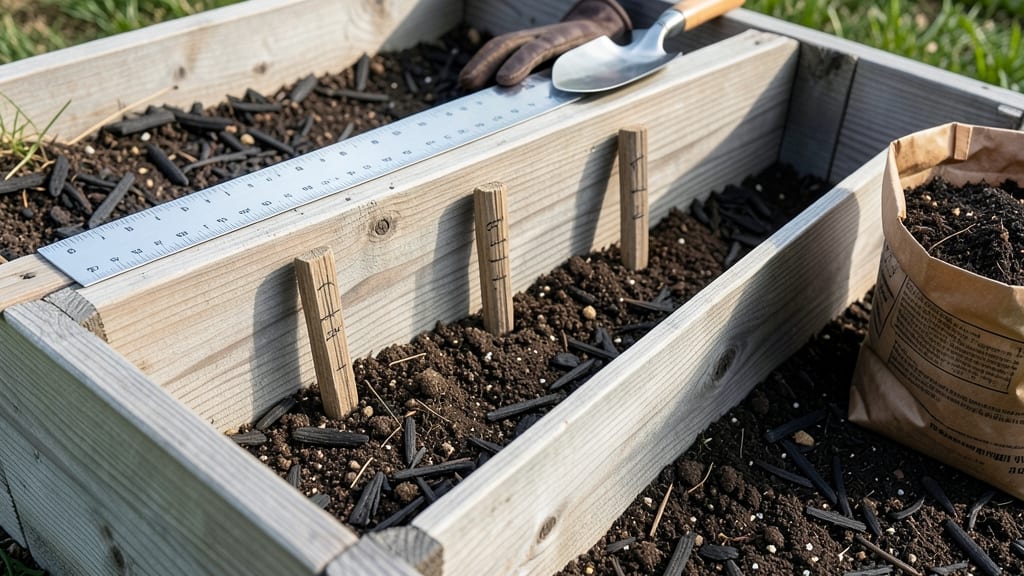
The average size of a raised bed for optimal vegetable yield and plant spacing is 4 feet wide by 8 feet long, designed for easy access from both sides and maximum growing efficiency. Depth typically ranges from 6 to 12 inches, with 10 inches ideal for deep-rooted crops like tomatoes or carrots.
The average raised bed size isn't arbitrary—they're engineered for practicality and productivity. A 4-foot width lets you reach the center without stepping in, while an 8-foot length balances space efficiency with manageable soil volume. 🌱 The 6-12 inch depth ensures roots have room to grow while preventing excessive soil weight.
For deep-rooted plants, the extra 2 inches at 10 inches makes all the difference in yield and plant health.
What's fascinating is how these dimensions adapt to different growing scenarios. Urban gardeners might opt for 2x4-foot beds to fit balconies, while large-scale farmers might extend lengths to 12 feet with center pathways.
The key is always maintaining the 4-foot width for accessibility—this simple rule prevents back strain and ensures consistent care across your entire garden.
💡 In This Article
- How Raised Bed Dimensions Impact Plant Growth and Yield
- Customizing Raised Bed Sizes for Different Gardens
How raised bed dimensions impact plant growth and yield
The 4-foot width is the golden standard because it aligns perfectly with human reach—most adults can comfortably extend their arms 2 feet to either side without straining. This design prevents soil compaction from stepping and ensures even sunlight exposure across all plants.
Studies show that beds wider than 4 feet force gardeners to trample soil, reducing aeration and root growth by up to 30%. The middle of wider beds also stays cooler and wetter, creating ideal conditions for fungal diseases.
Length plays a critical role in soil volume and efficiency. An 8-foot length provides enough growing space for 2-3 rows of plants (depending on spacing) while keeping the bed manageable for soil mixing and harvesting.
Longer beds (12 feet) maximize space but require pathways, which reduces usable garden area by 10-15%. The trade-off? Longer beds improve moisture retention and reduce edge effects (where plants near the sides get less water and nutrients).
For example, a 4x8-foot bed yields about 20% more tomatoes than four 2x4-foot beds of the same total area.
Depth directly affects root development and water capacity. Most vegetables thrive in 6-12 inches of soil because this range balances drainage and moisture retention. Shallow beds (6 inches) work for leafy greens but struggle with root crops like carrots, which need 10 inches to prevent forking.
The extra depth also increases soil volume by 50-100% per square foot, meaning less frequent watering and fewer nutrients leaching out. For instance, a 4x8-foot bed at 10 inches deep holds about 1,200 gallons of soil—enough to sustain heavy feeders like corn or squash for a full season.
Soil composition changes dramatically with depth. The top 6 inches is where most microbial activity occurs, while deeper layers (6-12 inches) store moisture and nutrients. This stratification supports a diverse ecosystem: earthworms thrive in the top layer, while deeper roots access water during droughts.
Without sufficient depth, plants compete for resources, leading to stunted growth. For example, basil in a 6-inch bed may produce 40% fewer leaves than in a 10-inch bed due to limited root expansion.
Layout also matters—single-row vs. multi-row beds create different microclimates. Single rows (1 plant per side) improve airflow, reducing humidity-related diseases like powdery mildew. Multi-row beds (2-3 plants per side) maximize space but can shade center plants, especially in tall crops like sunflowers.
A 4-foot width with 2 rows of plants (e.g., tomatoes and peppers) leaves a 1-foot center path for airflow, while a 3-row layout (e.g., lettuce, carrots, radishes) works for shallow-rooted crops but requires careful spacing to avoid overcrowding.
Material choice subtly influences dimensions too. Wooden beds (1-2 inches thick) add to the total height, while metal or composite beds (½-inch thick) allow for shallower soil depths if needed.
For example, a 4x8-foot cedar bed with 10-inch soil depth holds 1,500 pounds of soil—enough to support heavy plants like pumpkins without sagging. Lighter materials (like PVC) let you stack beds vertically, saving ground space in urban gardens.