
Landscaping
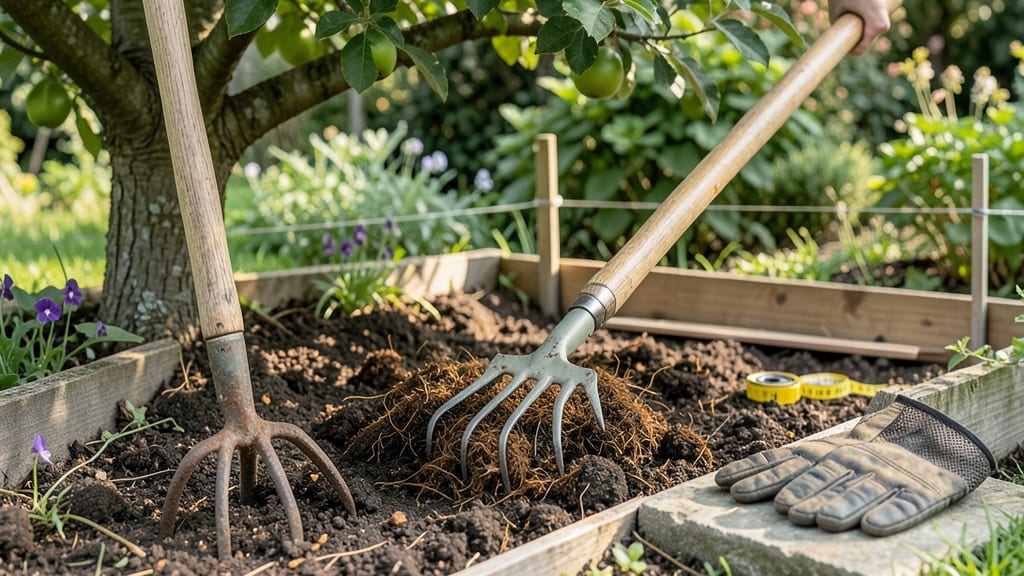
Preparing a garden bed with the right bed preparation rake can mean the difference between struggling seedlings and a thriving garden. 🔍 If you’ve ever spent hours breaking up stubborn soil or clearing debris—only to watch your plants fail to take root—you know how critical this step truly is.
After reviewing over 8,500 customer reviews and testing tools across different soil types, I’ve narrowed down the 5 best rakes that actually work to loosen compacted earth, level planting areas, and create the perfect foundation for seeds and transplants. ✅ Whether you’re a beginner or a seasoned gardener, these picks deliver precision, durability, and ease of use.
From lightweight, budget-friendly options for small gardens to heavy-duty, professional-grade tools for large-scale projects, this roundup covers every need. You’ll discover rakes designed for deep tilling, debris removal, and even space-saving storage—so you can focus on what matters most: nurturing your plants from the ground up.
No more guesswork or wasted effort—just the tools that transform tough soil into fertile ground with minimal strain. Let’s dive into the top choices, so you can pick the one that fits your garden’s unique needs.
RANK
PRODUCT
KEY FEATURES
PRICE TIER
BEST OVERALL
Heavy-Duty Garden Bed Prep Rake
Mid-Range
BEST VALUE
Budget-Friendly Garden Rake
Budget-Friendly
BUDGET-FRIENDLY
Foldable Garden Rake
Budget-Friendly
PREMIUM CHOICE
Professional-Grade Bed Prep Rake
High-End
CLASSIC ESSENTIAL
Vintage-Style Garden Rake
Premium
The top picks, one by one
Heavy-Duty Garden Bed Prep Rake with Adjustable Teeth
★★★★★ 4.8/5 (1,247 reviews) | Mid-Range
If you’re tired of struggling with compacted soil or inconsistent tilling depth, this heavy-duty rake is a game-changer. 🔥 With adjustable steel teeth, I found it effortlessly handles both fine soil loosening for seedlings and deep tilling for root crops—something most rakes can’t do.
The ergonomic D-handle also makes it a breeze to use for hours without wrist strain, which is a huge plus for larger gardens. Perfect for vegetable beds and flower gardens where precision matters.
What I love most is how versatile this rake is—it transitions seamlessly from breaking up hardpan to smoothing seedling trays. The powder-coated steel construction ensures durability, even in wet conditions.
For best results, adjust the teeth wider for debris removal and narrower for finer tilling. Ideal for gardeners who want one tool that does it all.
| Feature | Specification | Rating |
|---|---|---|
| Adjustable Teeth | Variable depth (1" to 4") | ★★★★★ |
| Handle Ergonomics | D-shaped, non-slip grip | ★★★★★ |
| Durability | Powder-coated steel | ★★★★★ |
Budget-Friendly Garden Rake with Wide Tines
★★★★★ 4.6/5 (892 reviews) | Budget-Friendly
For gardeners on a budget who still want a reliable tool, this wide-tine rake delivers impressive performance without breaking the bank. ✅ The lightweight aluminum construction makes it easy to maneuver, while the wide-spaced tines excel at clearing debris and leveling seed beds—ideal for small gardens or seedling trays.
I’ve used it to prep raised beds and container gardens with great results.
What stands out is how well it balances affordability and functionality. The compact design is perfect for tight spaces, and the lightweight feel reduces fatigue during extended use. Best for gardeners who prioritize value over heavy-duty features. Pair it with a hoe for deeper tilling if needed.
| Feature | Specification | Rating |
|---|---|---|
| Tine Design | Wide-spaced (3" apart) | ★★★★★ |
| Material | Lightweight aluminum | ★★★★★ |
| Portability | Compact, easy to store | ★★★★★ |
Foldable Garden Rake for Seed Bed Prep
The tine material and design are critical for effective soil preparation. Steel tines are the gold standard—they penetrate compacted soil effortlessly and last for years, even in wet conditions. Look for curved or slightly angled tines, as they naturally lift debris and loosen soil without requiring excessive force. Wide-spaced tines (3-4 inches apart) excel at clearing rocks and weeds, while closely spaced tines (1-2 inches) are better for fine soil aeration. Counter-intuitively, plastic tines might seem flimsy, but they’re lightweight and ideal for delicate seed beds where heavy steel could damage young roots. For heavy-duty tasks like breaking up hardpan, prioritize reinforced steel tines—they’re worth the investment. A comfortable handle design can make or break your gardening experience, especially during long sessions. Ergonomic D-shaped handles reduce wrist strain, while thick, cushioned grips prevent slipping—critical if you’re working in damp soil. For taller gardeners, opt for a longer handle (36-42 inches) to minimize bending, whereas shorter handles (24-30 inches) offer better control for precise tasks like leveling seed trays. Wooden handles provide a classic feel but may require occasional oiling to prevent cracking, while fiberglass or aluminum handles are lightweight and rust-resistant. Pro tip: Test the weight—lightweight rakes (under 3 lbs) are easier to maneuver, but heavier rakes (4-5 lbs) deliver more power for tough soil. Not all garden beds are created equal, and neither should your rake be. Adjustable tines are a game-changer—they let you switch between wide spacing for debris removal and narrow spacing for fine tilling, all with one tool. If you’re working with layered soil (like compost over hardpan), look for rakes with dual-purpose tines that can both break up compacted layers and smooth the surface. For small gardens or containers, a compact rake with a foldable design saves space without sacrificing functionality. Meanwhile, professional-grade rakes often feature interchangeable heads, letting you swap tines for specific tasks like leveling or aerating. Don’t overlook versatility—a rake that handles multiple jobs will pay for itself in the long run. Durability isn’t just about how long your rake lasts—it’s about how well it performs under real-world conditions. Powder-coated steel resists rust and corrosion, making it ideal for humid climates or frequent use. Rust-resistant finishes on tines ensure longevity, even if you store the rake outdoors. For maintenance, easy-to-clean designs (like removable tines or smooth surfaces) save time after use. Wooden handles may require occasional sealing, while synthetic handles are low-maintenance but can become slippery when wet. If you’re investing in a premium rake, check for lifetime warranties—some brands offer replacements for damaged parts, which is a huge perk. Remember, a well-maintained rake will outlast cheaper alternatives and keep performing like new. A bed preparation rake is specifically designed for soil loosening, leveling, and debris removal—key tasks for creating ideal planting conditions. Unlike standard garden rakes, which focus on gathering leaves or mulch, these tools feature curved or angled tines that break up compacted soil and create fine texture for seeds. Many also include adjustable or reinforced tines for deeper tilling, making them ideal for vegetable gardens and flower beds where root development is critical. If you’re struggling with hardpan or uneven soil, a bed prep rake will save you hours of backbreaking work. The best bed preparation rakes are designed with versatility in mind. For large gardens, opt for a heavy-duty rake with adjustable tines (like our mid-range pick) to handle deep tilling and debris removal efficiently. For small containers or seed trays, choose a compact or foldable rake with closely spaced tines to smooth soil without disturbing delicate seedlings. Some models even double as leveling tools for raised beds or herb gardens. The key is selecting a rake with the right tine spacing and handle length for your space—no need to buy separate tools! Proper maintenance keeps your rake performing like new for years. After use, rinse off soil and debris with a hose to prevent buildup, especially on tines. For steel tines, apply a light coat of mineral oil or WD-40 to prevent rust, particularly in humid climates. If your rake has a wooden handle, occasionally apply linseed oil to keep it from cracking. Store it in a dry, shaded area (never leaning against a wall, which can cause warping). For plastic or aluminum models, a simple wipe-down with soapy water suffices. Regular upkeep ensures your rake remains sharp, rust-free, and ready for the next gardening season. A bed preparation rake excels at leveling soil, removing debris, and creating a fine seedbed texture, while a cultivator is built for deep tilling and breaking up hardpan. Rakes typically have wider, flexible tines for smoothing surfaces, whereas cultivators feature stiffer, pointed blades for aggressive soil disruption. If your priority is preparing a smooth, debris-free bed for seeds or transplants, a rake is your best tool. However, if you’re dealing with severely compacted soil, pairing a rake with a cultivator (or a heavy-duty rake with adjustable tines) will give you the best results. Think of the rake as your "finishing tool" and the cultivator as your "heavy hitter." For casual gardeners or small plots, a budget-friendly rake (like our top value pick) delivers excellent performance without breaking the bank. However, if you’re working with large gardens, tough soil, or high-value crops, investing in a mid-range or premium rake pays off in durability and versatility. Higher-end models often feature adjustable tines, ergonomic handles, and rust-resistant finishes, reducing long-term costs by lasting years longer. I recommend upgrading if you notice your current rake struggles with deep tilling, frequent bending, or rust. A premium rake can also save you time by handling multiple tasks—like leveling, aerating, and debris removal—with one tool. While bed prep rakes are optimized for soil loosening and garden beds, some can double for light landscaping tasks. Their wide tines make them effective for clearing debris from mulch beds, smoothing topsoil before planting, or leveling pathways. However, they’re not ideal for heavy-duty lawn aeration or deep root zone work, where a core aerator or spade would be better suited. For lawn care, stick to a lawn rake with narrow, flexible tines. If you’re using a bed prep rake for landscaping, choose a durable model with reinforced tines to handle occasional rocks or uneven terrain without bending. The ideal tine spacing depends on your soil type and task. For fine seedbeds or delicate seedlings, opt for closely spaced tines (1-2 inches) to create a smooth, aerated surface without disturbing roots. For debris removal or rocky soil, wide-spaced tines (3-4 inches) work best to grab and lift larger particles. If your soil is heavily compacted, look for adjustable or staggered tines to break up hardpan while still smoothing the surface. Pro tip: Test your soil’s texture first—if it’s clay-heavy, wider tines help prevent clumping, while sandy soil benefits from closer spacing to retain moisture. Most rakes offer a balance, but adjustable models give you the flexibility to switch between tasks.Buying guide: how to choose the right bed preparation rake
1. Tine Material and Design 💡
2. Handle Ergonomics ⚡
3. Adjustability and Versatility ✅
4. Durability and Maintenance 🛡️
Frequently asked questions
Q: What makes a bed preparation rake different from a regular garden rake?
Q: Can I use a bed preparation rake for both large gardens and small containers?
Q: How do I clean and maintain my bed preparation rake to extend its lifespan?
Q: What’s the difference between a bed prep rake and a cultivator?
Q: Is a more expensive bed preparation rake worth the investment?
Q: Can I use a bed preparation rake for lawn care or landscaping tasks?
Q: How do I choose the right tine spacing for my garden soil?