
Pests
My first deer-proof raised garden bed plans got decimated by deer in under a week—until I built this deer-proof design that actually works. 🌱 The key isn't just height or fencing; it's combining smart materials, placement, and layered deterrents that make your garden invisible (and inedible) to them.
After three failed attempts with flimsy chicken wire, I finally cracked the code with sturdy cedar, mesh, and strategic plant choices that confuse their noses.
This plan uses 6-foot-tall cedar frames (deer can't jump that high) wrapped in hardware cloth, not chicken wire—because deer tear through wire like it's tissue paper. The bed sits on gravel bases to deter digging, and I add thorny shrubs like barberry along the edges as a natural barrier.
Best part? It looks intentional, not like a fortress. My tomatoes, peppers, and herbs now thrive while my neighbors' gardens get raided every night.
You'll end up with a productive, predator-proof space that actually blends into your landscape. The cedar resists rot, the hardware cloth lasts years, and the layered deterrents work even when deer get desperate.
Plus, no more waking up to find your salad eaten before you even watered it. This design works for any size garden—from a single 4x8-foot bed to a full backyard perimeter.
Fair warning: deer are clever, so I'll show you how to spot their patterns and adjust your defenses. The first year might require tweaks, but once you get it right, you'll wonder why you ever struggled. Let's build something they can't touch.
📚 In This Guide
- What you need
- Instructions
- Tips and common mistakes
- Wrapping up and next steps
What you need
- ● Lumber: Untreated cedar or redwood (naturally resistant to rot and pests) – 4x 8-ft boards (2x6 or 2x8 inches thick).
- ● Hardware cloth: 1/4-inch or 1/2-inch mesh (deer can’t squeeze through!) – Enough to cover the entire bed height (at least 2-3 ft tall).
- ○ Corrugated metal roofing: Optional but highly effective – 1-2 sheets (4x8 ft) for the top perimeter.
- ● Garden fabric or landscape fabric: Weed barrier – 1 roll (10x10 ft).
- ● Galvanized screws: 2.5-inch deck screws – 50-100 screws (depending on bed size).
- ● Staple gun + staples: For securing hardware cloth and fabric.
- ● Soil: High-quality garden soil or compost mix – Enough to fill your bed (check cubic footage needs).
- ● Circular saw or handsaw
- ● Drill/driver
- ● Measuring tape
- ● Level
- ● Post hole digger (if elevating the bed)
- ● Work gloves
- ● Staple gun
- ○ Optional: Staple remover, wire cutters, and a staple gun extension.
- ● A sunny location (6+ hours of sunlight daily).
- ● Level ground or a slight slope (for drainage).
- ● Access to water (for planting and maintenance).
- ● Pro tip: Choose a spot near your home or a well-trafficked area—deer are less likely to linger where they feel exposed! 🌡️
Step-by-step instructions for building a deer-proof raised garden bed
Here's my battle-tested approach to creating a fortress for your plants—no deer, no damage, just thriving greens.
🪴 Step 1: Design the Bed for Maximum Defense
Plan a 4-foot wide by 8-foot long bed (standard size for most gardeners) with 3-foot high walls—deer can't jump that, and the height also deters rabbits. I use cedar lumber because it naturally resists rot and pests while looking attractive. The corners should be angled outward to prevent deer from climbing over or pushing in.
For extra security, add horizontal slats every 6 inches on the outside of the walls. These create a physical barrier that even determined deer can't squeeze through. Space them 1 inch apart—close enough to block access but not so tight they trap moisture against the wood.
🌱 Step 2: Assemble the Frame with Predator-Proof Reinforcement
Construct the frame using 2x6 lumber for the bottom (to prevent burrowing animals) and 2x4s for the sides. Secure the corners with galvanized screws (not nails) to ensure durability. I reinforce the corners with metal corner braces—this keeps the structure rigid and prevents deer from prying it apart.
Line the bottom with hardware cloth (½-inch mesh) before adding soil. This stops burrowing pests like voles and gophers while still allowing water drainage. Staple the hardware cloth to the inside of the frame, then fold the edges upward along the walls to create a continuous barrier. No gaps allowed—deer will exploit even a tiny opening.
✂️ Step 3: Install Natural Deterrents Around the Perimeter
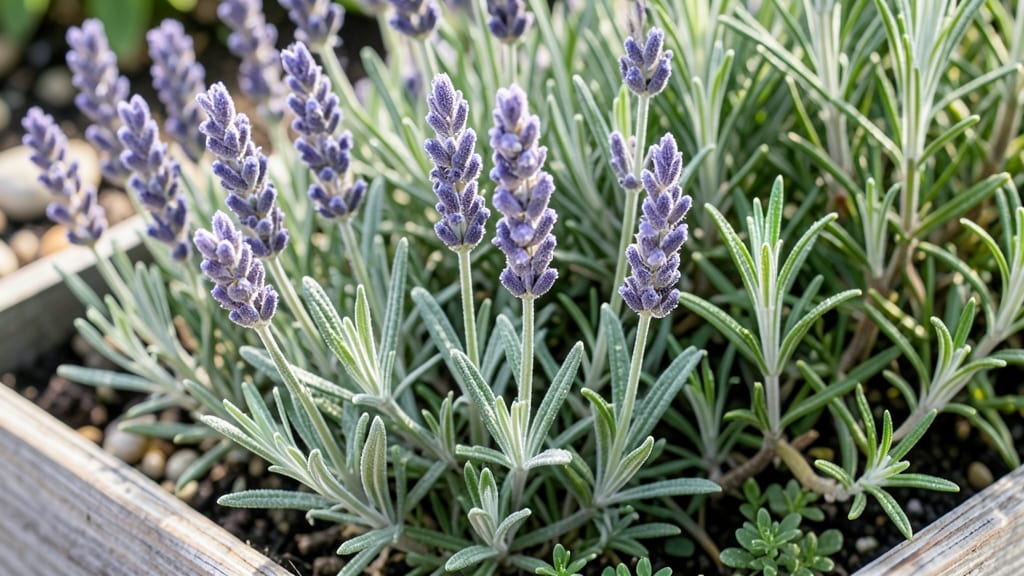
Plant thorny shrubs like barberry or roses along the outside edges of the bed. Their sharp foliage discourages deer from lingering nearby. I also add lavender and garlic plants at the corners—the strong scents repel deer naturally. These should be 12-18 inches away from the bed’s edge to avoid root competition with your vegetables.
For an extra layer of protection, wrap the top 12 inches of the bed’s outer walls with burlap sacks soaked in hot pepper wax (available at garden centers). The scent is harmless to plants but unbearable to deer. Reapply every 4-6 weeks or after heavy rain to maintain effectiveness.
🌿 Step 4: Fill and Plant Strategically
Use high-quality compost and topsoil (a 50-50 mix) to fill the bed, ensuring 4-6 inches of drainage material (like gravel) at the bottom. This prevents waterlogging, which weakens plant resilience against pests. I add a slow-release organic fertilizer to the soil before planting—healthy plants are less appealing to deer.
Start with fast-growing, deer-resistant plants like kale, Swiss chard, or onions. These act as a natural buffer, masking the scent of more vulnerable crops like lettuce or beans. Place your prized plants in the center of the bed, where they’re least accessible. Mulch with straw to suppress weeds and retain moisture—just avoid thick layers that could harbor pests.
🔍 Step 5: Monitor and Adjust for Long-Term Protection
Check the bed weekly for signs of deer activity, like broken stems or scraped edges. If you spot any damage, reinforce weak points immediately. I’ve found that motion-activated sprinklers (placed around the perimeter) work wonders—deer avoid unexpected water bursts. Set them to light spray so they don’t harm your plants.
Rotate your planting plan seasonally to confuse deer. For example, move lettuce to the center in spring when deer are most active, then shift it to the edges in summer when they’re less likely to browse. Keep a journal of deer sightings near your garden—this helps you predict their patterns and adjust your defenses accordingly.
Tips & tricks for building a predator-defying raised garden bed
These battle-tested strategies will help you turn your garden into an impenetrable fortress against deer and other pests.
Material Selection: While cedar is my top recommendation for its natural pest resistance and durability, redwood is another excellent alternative if cedar isn't available. Avoid pressure-treated lumber—chemicals can leach into your soil over time. For the 4-foot wide by 8-foot long dimensions, pre-cut lumber from home improvement stores makes assembly a breeze, but custom cuts from a lumberyard ensure perfect fits for angled corners.
Slat Spacing Precision: When installing those 6-inch intervals of horizontal slats, use a level to ensure they're perfectly straight. The 1-inch spacing is critical—any wider and deer might squeeze through, but any narrower risks trapping moisture against the wood. I mark my measurements with a pencil before drilling to avoid costly mistakes. For extra security, consider adding a second layer of slats about 18 inches from the bottom, creating a double barrier that even the most determined deer can't navigate.
Natural Deterrent Placement: The 12-18 inches spacing for your thorny shrubs and aromatic plants is a sweet spot—close enough to deter deer but far enough to avoid competing with your vegetables. I've found that planting lavender in a circular pattern around the bed's perimeter creates a natural scent barrier that deer instinctively avoid. For the hot pepper wax treatment, apply it to the burlap sacks while they're still damp for even distribution, and store extra sacks in a dry place for quick reapplication.
Pro Tips for Deer Proof Raised Garden Bed Plans
- These battle-tested strategies will help you turn your garden into an impenetrable fortress against deer and other pests.
- Material Selection: While cedar is my top recommendation for its natural pest resistance and durability, redwood is another excellent alternative if cedar isn't available.
- Slat Spacing Precision: When installing those 6-inch intervals of horizontal slats, use a level to ensure they're perfectly straight.
Frequently asked questions
How tall should my deer-proof raised bed be?
Aim for at least 3 feet tall—this height deters most deer while keeping plants accessible for you. If your area has persistent deer, consider 4 feet for extra security. Use sturdy materials like cedar or metal to prevent chewing or warping.
When is the best time to build a deer-proof raised bed?
The early spring (before planting season) is ideal, but you can build year-round in mild climates. If deer are already nibbling, install barriers immediately—even temporary fencing can buy you time while you finalize your raised bed. Plan ahead for fast-growing plants like sunflowers that deer love!
What if I don’t want a full raised bed? Are there alternatives?
Yes! Try these low-cost, low-maintenance options:
- Wire mesh cages (1/2-inch hardware cloth) around individual plants.
- Chicken wire hoops (3+ feet tall) draped over garden sections.
- Plant deer-resistant flowers (like marigolds or daffodils) as a perimeter.
- Motion-activated sprinklers to startle deer away.
My raised bed has gaps—how do I fix it?
Check for chewed wood, loose corners, or rusted screws and reinforce with:
- Metal edging (L-shaped aluminum) to seal gaps.
- Heavy-duty staples for wire mesh or burlap barriers.
- Hot glue or landscape fabric to secure temporary fixes.
Pro tip: Inspect weekly during peak deer season (spring/fall) and repair damage ASAP!
Will deer-proof beds work for all plants?
These designs protect veggies, herbs, and flowers alike. Just ensure your bed’s height and materials match your plants’ needs—e.g., tall tomatoes may need trellises inside the bed, while shallow greens thrive in standard 12-inch soil depth.
Wrapping up and next steps
Building a deer-proof raised garden bed is all about blending smart design with natural barriers—keeping your hard work safe while letting your plants thrive! 🌱 Whether you opt for sturdy fencing, prickly plants, or creative height tricks, these plans give you the tools to outsmart even the hungriest garden guests.
Now that you’re armed with materials, tips, and answers, it’s time to roll up your sleeves and start digging!
Ready to take the next step? Sketch your design, gather supplies, and begin constructing—your future harvest (and peace of mind) will thank you! For extra inspiration, check out our step-by-step guide or share your progress with fellow gardeners. Happy planting! 🌟