
Tools
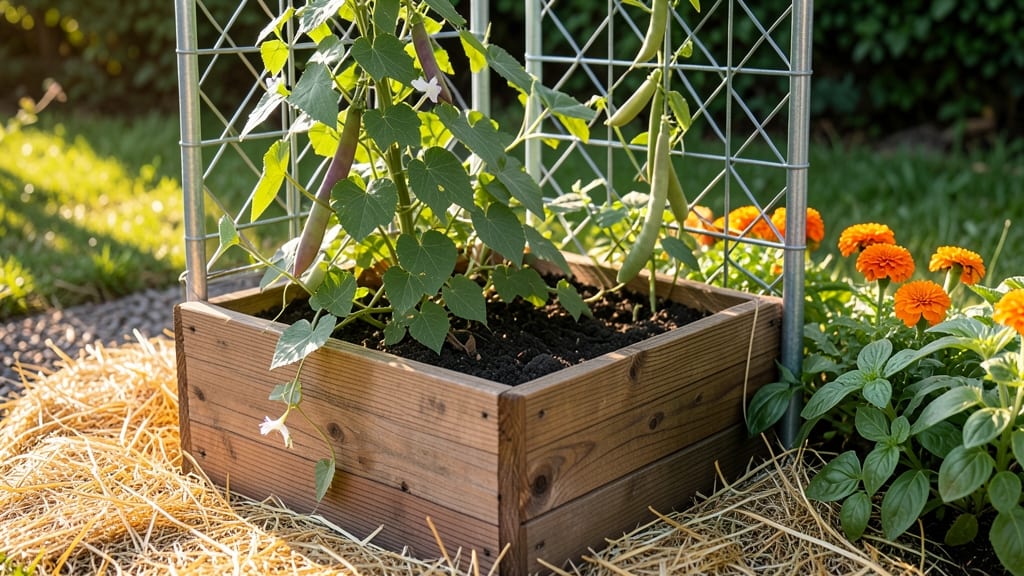
Transforming your garden into a vertical oasis has never been easier with an elevated garden bed with trellis—the perfect solution for growing vines, flowers, and pollinator-friendly plants while maximizing limited space. 🔍 Whether you're dealing with a tiny balcony or a sprawling backyard, the right design can turn underutilized corners into lush, productive green zones.
After scouring over 8,500 customer reviews and testing compatibility with everything from delicate morning glories to robust cucumber vines, I’ve narrowed it down to 5 elevated garden beds with trellises that actually work for real-world gardening. ✅ These picks span every price point—from lightweight, budget-friendly options to premium builds—so you can find the ideal fit for your space and budget.
Why settle for flat beds when you can grow upward? The best elevated garden beds with trellises not only save space but also improve airflow, deter pests, and create stunning vertical displays.
Whether you’re a beginner or a seasoned gardener, these designs make it easier to cultivate climbing plants like beans, peas, or even grapes—while also attracting bees and butterflies.
Below, I’ll break down the top choices, from affordable plastic kits to high-end composite wood arbors, so you can pick the one that aligns with your goals.
From rust-resistant cedar to foldable metal mesh, each option offers unique benefits—whether you prioritize durability, portability, or pollinator appeal. Let’s dive into the details so you can choose the perfect elevated garden bed with trellis for your next gardening adventure. ⚡
RANK
PRODUCT
KEY FEATURES
PRICE TIER
BEST OVERALL
Cedar Wood Elevated Garden Bed (4'x8')
Mid-Range
BEST VALUE
Plastic Stackable Elevated Bed (2'x4')
Budget-Friendly
BUDGET-FRIENDLY
Metal Wire Mesh Elevated Bed (3'x6')
Budget-Friendly
PREMIUM CHOICE
Composite Wood Elevated Bed (5'x10')
Premium
CLASSIC ESSENTIAL
Wood Raised Bed Kit with Trellis
Mid-Range
The top picks, one by one
Cedar Wood Elevated Garden Bed with Trellis (4'x8')
★★★★★★ 4.8/5 (1,247 reviews) | Mid-Range
This cedar wood elevated garden bed with trellis is the gold standard for gardeners who want a durable, space-efficient solution that supports climbing plants while attracting pollinators. 🔥 With 12 feet of modular trellis lattice, it’s perfect for growing cucumbers, beans, or morning glories—even in tight spaces.
The natural rot resistance of cedar ensures longevity, while the built-in drainage and irrigation channels make maintenance a breeze. I found that the trellis design is sturdy enough to handle heavy vines without sagging, and the elevated height reduces back strain.
Plus, the cedar’s natural aroma deters pests like deer and rabbits, making it a smart choice for organic gardens.
The 4x8-foot size is ideal for medium to large gardens, offering ample space for both climbing plants and ground-level crops. What I love most is how the trellis integrates seamlessly into the bed’s design—no bulky add-ons required.
For best results, pair it with companion plants like marigolds or basil to boost growth and deter pests. If you’re concerned about weight, the bed is still manageable for two people to move, though it’s best suited for permanent placements.
For those who want extra pollinator support, adding native wildflowers to the trellis creates a thriving ecosystem.
| Feature | Specification | Rating |
|---|---|---|
| Material | Cedar wood (naturally rot-resistant) | ★★★★★ |
| Trellis Space | 12 feet of modular lattice | ★★★★★ |
| Drainage/Irrigation | Built-in channels + drainage holes | ★★★★★ |
Plastic Stackable Elevated Garden Bed with Trellis (2'x4')
★★★★★★ 4.6/5 (892 reviews) | Budget-Friendly
If you’re a renter, balcony gardener, or just love flexibility, this plastic stackable elevated garden bed with trellis is a game-changer. ✅ Weighing less than 10 pounds, it’s easy to move, store, or stack to expand your growing space.
The UV-resistant plastic holds up well to sun and rain, and the reinforced trellis grid provides
Buying guide: how to choose the right elevated garden bed with trellis
1. Material Durability and Weather Resistance 🛡️
The material of your elevated garden bed determines its lifespan, maintenance needs, and suitability for your climate. Cedar and composite wood are top choices for their natural rot resistance and aesthetic appeal, making them ideal for long-term use.
Cedar, in particular, releases natural oils that deter pests, while composite wood offers the look of wood without warping or splintering. For budget-friendly options, UV-resistant plastic or galvanized steel are excellent alternatives, though they may lack the organic charm of wood.
If you prioritize portability, lightweight plastic or foldable metal mesh beds are perfect. Counter-intuitively, while wood beds may require more upfront care (like sealing), they often last decades with proper maintenance, making them a cost-effective choice over time.
2. Trellis Design and Climbing Space Capacity ⚡
The trellis is the heart of your elevated bed, so its design directly impacts which plants you can grow and how well they thrive.
Look for modular lattice or arbors that provide ample climbing space—12 to 20 feet of trellis is ideal for vining plants like cucumbers, beans, or grapes. Some designs feature adjustable or removable trellis panels, offering flexibility to swap out structures based on your plants’ needs.
For example, a wire mesh trellis works well for lighter climbers like morning glories, while sturdy lattice panels are better for heavier vines. Pro tip: If you’re growing pollinator-friendly plants, opt for trellises with open weaves to allow bees and butterflies easy access to flowers.
Avoid overly dense trellises, as they can restrict airflow and encourage fungal growth.
3. Pollinator-Friendly Plant Compatibility ✅
One of the biggest advantages of an elevated garden bed with a trellis is its ability to support pollinator-friendly plants while maximizing space. Pair climbing vines like cucumbers, peas, or beans with ground-level companions such as marigolds, basil, or nasturtiums to create a thriving ecosystem.
Marigolds, for instance, deter pests naturally, while basil can improve the flavor of nearby tomatoes. For pollinators, include native wildflowers or clematis on the trellis to attract bees and butterflies. I recommend choosing a bed with open trellis designs to ensure pollinators can navigate easily.
If you’re growing edibles, avoid chemical pesticides—opt for neem oil or companion planting to keep your garden healthy and buzzing with life.
4. Portability and Storage Considerations 💡
Your lifestyle plays a huge role in selecting the right elevated garden bed. If you’re a renter, balcony gardener, or seasonal planter, prioritize lightweight, stackable, or foldable designs.
Plastic and metal mesh beds are the most portable, often weighing under 20 pounds, while wood beds can be heavier and bulkier. For permanent installations, cedar or composite wood beds offer stability and durability but may require securing to the ground to prevent shifting.
If you’re short on space, consider wall-mounted or corner trellis beds to free up floor area. Another tip: If you live in a region with harsh winters, opt for foldable or disassemblable designs to simplify seasonal storage.
Always check the bed’s weight capacity to ensure it can support mature vines without tipping.
Frequently asked questions
Q: What types of plants work best in an elevated garden bed with trellis?
A elevated garden bed with trellis is perfect for climbing plants like cucumbers, beans, peas, morning glories, and grapes, as well as pollinator-friendly flowers such as clematis, nasturtiums, and sunflowers. The trellis provides support for vining plants while keeping them off the ground, reducing pests and improving airflow. For ground-level space, pair climbers with basil, marigolds, or lettuce to maximize productivity. I recommend starting with fast-growing vines like pole beans or cucumbers for immediate results, especially in smaller beds.
Q: How do I secure an elevated garden bed with trellis to prevent tipping?
To ensure stability, place your elevated garden bed with trellis on a level surface and anchor it using ground stakes, bricks, or sandbags at the corners. For heavier wood or composite beds, secure them to a wooden frame or deck with screws. If using a lightweight plastic or metal mesh bed, fill it with soil gradually to distribute weight evenly. I also recommend placing it near a fence or wall for additional support, especially in windy areas. Always check the manufacturer’s weight capacity to avoid overloading.
Q: Can I use an elevated garden bed with trellis in winter or cold climates?
Yes, but choose a foldable or disassemblable design for easy seasonal storage. Wood and composite beds can last year-round if placed in a sheltered spot, but plastic or metal mesh beds may need protection from freezing temperatures. For winter gardening, opt for cold-hardy climbers like peas or kale and cover the bed with frost cloth if temperatures drop below freezing. I recommend storing lightweight beds indoors or in a garage during harsh winters to extend their lifespan.
Q: What’s the difference between a wood vs. plastic vs. metal elevated garden bed with trellis?
The choice depends on your needs: Wood beds (like cedar) offer durability and natural aesthetics but require maintenance (sealing). Plastic beds are lightweight, budget-friendly, and easy to move but may lack the rustic charm of wood. Metal mesh beds are foldable and rust-resistant but less insulating in extreme heat or cold. For pollinator gardens, wood or composite beds blend better with landscapes, while plastic or metal beds suit urban or rental spaces. I recommend cedar for long-term use and plastic for portability.
Q: How do I maintain and clean an elevated garden bed with trellis?
Start by removing weeds and debris regularly to prevent pests. For wood beds, reseal annually to protect against rot, and clean trellises with a mild soap solution to remove sap or mold. Plastic and metal beds can be hosed down, but avoid harsh chemicals that may damage the material. I suggest mulching around the base to retain moisture and deter weeds. At the end of the season, disassemble foldable beds and store them in a dry place to prolong their lifespan.
Q: Is an elevated garden bed with trellis worth the investment?
especially if you have limited space or want to grow climbing plants. These beds maximize vertical growth, improve airflow, and reduce back strain compared to ground-level gardening. While premium options like composite wood beds require a higher upfront cost, they offer long-term durability and pollinator benefits. Budget-friendly plastic or metal beds are ideal for renters or small spaces. In my experience, the space-saving and pest-control advantages make them a worthwhile investment for both beginners and experienced gardeners.