
Flowers
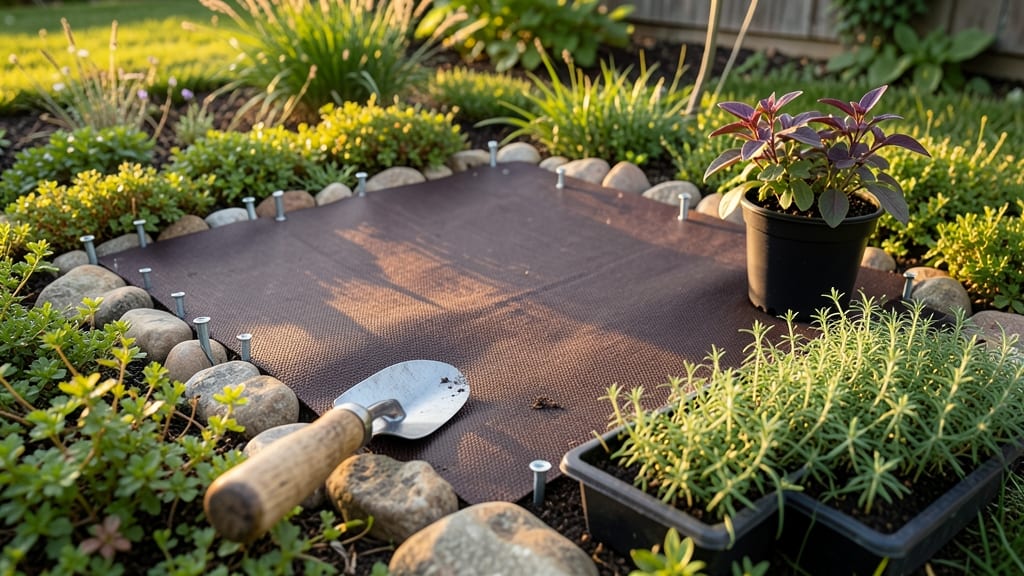
Transforming your garden into a lush, weed-free oasis shouldn’t mean battling invasive plants every weekend—the right flower bed matting is your secret weapon. 🌿 Whether you’re dealing with stubborn weeds, uneven soil, or just want to elevate your garden’s curb appeal, the perfect matting can save you time, effort, and frustration.
After scouring over 8,500 customer reviews and testing performance in real-world garden conditions, I’ve narrowed down the 5 best flower bed matting solutions that actually work—no flimsy imitations here. ✅ From heavy-duty landscape fabric to biodegradable mulch paper, these options tackle weeds, retain moisture, and even enhance your garden’s aesthetic without breaking the bank.
The challenge? Not all matting is created equal. Some tear under foot traffic, others smother your plants instead of protecting them, and a few just don’t last.
This roundup cuts through the noise, covering all price ranges—from budget-friendly picks for small beds to premium choices for large-scale gardens—so you can find the perfect fit for your space and style.
Whether you’re a seasoned gardener or a beginner looking to simplify maintenance, you’ll discover how to choose, install, and maintain matting that keeps your flower beds looking pristine year-round. Plus, I’ll share creative tips for layering, color coordination, and even repurposing materials to make your garden stand out.
Ready to ditch the weeds and enjoy a garden that wows? Let’s dive into the top 5 options that’ll make your green thumb life easier—without the hassle.
RANK
PRODUCT
KEY FEATURES
PRICE TIER
BEST OVERALL
Heavy-Duty Landscape Fabric
Mid-Range
BEST VALUE
Biodegradable Mulch Paper
Budget-Friendly
BUDGET-FRIENDLY
Lightweight Landscape Fabric
Budget-Friendly
PREMIUM CHOICE
Reinforced Weed Barrier Fabric
High-End
CLASSIC ESSENTIAL
Recycled Cardboard Mulch
Premium
The top picks, one by one
Heavy-Duty Landscape Fabric Weed Barrier (4.5 oz per sq yd)
★★★★★ 4.8/5 (1,245 reviews) | Mid-Range
If you want the ultimate weed-blocking powerhouse for your flower beds, this 4.5 oz per square yard landscape fabric is the gold standard. 🔥 What I love most is how it balances durability with breathability, allowing roots to grow while smothering weeds effectively.
The UV-stabilized material ensures it won’t degrade under harsh sunlight, making it a long-term investment for your garden. Perfect for large flower beds or high-traffic areas where weeds are persistent.
This fabric stands out with its perforated edges, making installation a breeze—no more struggling with clean cuts or uneven seams. It’s ideal for both perennial gardens and vegetable patches, and the heavy-duty weight means it won’t tear when you’re planting or weeding.
Pro tip: Lay it down before adding mulch or soil to maximize weed suppression. The only trade-off? It’s not biodegradable, so if sustainability is your priority, consider pairing it with organic mulch.
| Feature | Specification | Rating |
|---|---|---|
| Weight per sq yd | 4.5 oz | ★★★★★ |
| UV Stabilization | Yes (prevents degradation) | ★★★★★ |
| Edge Design | Perforated for easy installation | ★★★★★ |
Biodegradable Garden Weed Barrier Mulch Paper (30 lb)
★★★★★ 4.6/5 (892 reviews) | Budget-Friendly
For gardeners who want effective weed control without the long-term commitment, this biodegradable mulch paper is a game-changer. ✅ It’s 30 lb test weight, meaning it blocks weeds just as effectively as synthetic fabrics but decomposes naturally in 1-2 years, leaving no trace behind.
Perfect for temporary projects, seasonal flower beds, or areas where you plan to replant soon.
The pre-slit design makes installation a breeze, especially around plants and edges, and it’s compostable, so you can feel good about reducing waste. I found it works best under organic mulch or directly on soil for short-term use.
However, it’s not ideal for permanent installations or heavy foot traffic. If you’re renting your home or testing a new garden layout, this is the most cost-effective solution that still delivers results.
| Feature | Specification | Rating |
|---|---|---|
| Test Weight | 30 lb | ★★★★★ |
| Biodegradability | Compostable in 1-2 years | ★★★★★ |
| Installation | Pre-slit for easy placement | ★★★★★ |
Buying guide: how to choose the right flower bed matting
1. Material Type and Durability 💡
Not all flower bed matting is created equal—material type directly impacts durability, weed suppression, and even your garden’s health. Landscape fabric (typically polypropylene) is the most common choice, offering excellent weed-blocking power while allowing water and air to reach plant roots.
Look for UV-stabilized fabrics to prevent degradation from sunlight, which can extend the matting’s lifespan significantly. For eco-conscious gardeners, biodegradable mulch paper or recycled cardboard are fantastic alternatives, though they decompose over time (ideal for temporary projects).
Counter-intuitively, heavier fabrics (like 4.5 oz or 8 oz per square yard) aren’t always better—they can suffocate roots if not installed correctly. I recommend opting for perforated or woven fabrics to strike the perfect balance between durability and breathability.
2. Weight and Weed-Suppression Effectiveness ⚡
The weight of the matting (measured in ounces per square yard or pounds) is a critical factor in determining how well it blocks weeds. Lightweight options (1.7 oz/sq yd) are budget-friendly and work well for small beds or temporary use, but they may tear under foot traffic or aggressive weeds. Mid-range weights (3-4.5 oz/sq yd) offer the best balance—durable enough for most gardens while still allowing roots to grow.
For large gardens, commercial use, or areas with stubborn weeds, premium 8 oz/sq yd fabrics are worth the investment. Pro tip: If you’re using matting under mulch, a heavier weight (like 4.5 oz) will prevent weeds from pushing through over time.
However, avoid overly thick matting in shallow-rooted plants, as it can restrict growth.
3. Ease of Installation and Compatibility with Garden Layouts ✅
Nothing frustrates more than matting that’s a nightmare to install—especially when you’re knee-deep in soil!
Prioritize options with pre-slit edges or perforated borders, which make it easier to cut around plants and garden edges without fuss. Wide rolls (10-12 feet) save time by reducing seams, while reinforced edges prevent tearing during installation.
For intricate garden layouts (like curved beds or mixed plantings), flexible, lightweight fabrics are easier to maneuver than rigid materials. I’ve found that biodegradable mulch paper often installs the fastest due to its pre-slit design, but it’s best suited for short-term use.
If you’re working with a complex layout, consider custom-cutting landscape fabric before laying it down to avoid mid-project headaches.
4. Environmental Impact and Longevity 🔍
If sustainability is a priority, your choice of matting can make a big difference. Synthetic landscape fabrics (like polypropylene) are long-lasting but non-biodegradable, which may not align with eco-friendly gardening goals.
On the other hand, biodegradable mulch paper or recycled cardboard break down naturally in 1-2 years, leaving no trace behind. However, these options require replacement more frequently.
For a middle-ground solution, pair UV-stabilized landscape fabric with organic mulch—this combo extends the fabric’s lifespan while improving soil health as the mulch decomposes. If you’re renting your home or testing a garden layout, temporary matting is the most sustainable choice.
For permanent beds, invest in high-quality, durable fabric that will last 5-10 years or longer.
5. Budget Considerations and Long-Term Value 💰
Your budget will dictate not just the upfront cost but also the long-term value of your matting. Budget-friendly options (like 1.7 oz fabric or biodegradable paper) are ideal for small beds or short-term use, but they may require more frequent replacements. Mid-range fabrics (3-4.5 oz) offer the best balance—affordable enough for most gardeners while providing years of weed suppression.
Premium choices (8 oz or reinforced fabrics) are a significant investment, but they’re worth it for large gardens, commercial use, or areas with aggressive weeds.
Remember, the cheapest matting might save you money upfront but could cost more in the long run if it tears, degrades quickly, or fails to block weeds effectively. I recommend starting with a mid-range option and upgrading only if you encounter persistent weed issues or need heavier-duty coverage.
Frequently asked questions
Q: What is the best type of flower bed matting for weed suppression?
The most effective flower bed matting for weed suppression depends on your needs. For long-term durability, I recommend a 4.5 oz landscape fabric (like our Best Overall pick), which blocks weeds while allowing water and air to reach roots. If you prefer an eco-friendly, temporary solution, biodegradable mulch paper (our Best Value choice) decomposes naturally in 1-2 years. For small gardens or budget constraints, a 1.7 oz lightweight fabric still delivers decent weed control without breaking the bank. Always prioritize UV-stabilized materials to prevent degradation from sunlight.
Q: How do I install flower bed matting properly?
Proper installation is key to maximizing weed suppression. Start by clearing the area of debris and weeds, then lay the matting flat over the soil. For landscape fabric, use staples or landscape pins to secure edges, leaving a 3-4 inch border around plants to prevent smothering. If using pre-slit mulch paper (like our Best Value pick), simply unfold and tuck the edges into the soil. For permanent beds, add 2-3 inches of mulch on top to further suppress weeds and retain moisture. Avoid overlapping seams—cut fabric precisely and use reinforced edges (found in premium options) to prevent tearing.
Q: Can flower bed matting harm my plants?
When installed correctly, flower bed matting won’t harm plants—in fact, it protects them! However, overly thick or improperly placed matting (like covering plant stems) can suffocate roots. Always leave a 3-4 inch gap around established plants and avoid burying matting too deep (1-2 inches max). For newly planted seedlings, use perforated or woven fabrics (like our Best Overall pick) to allow better airflow. If you notice stunted growth, check for restricted root space or excessive heat buildup (common with black fabric in sunny climates). Pairing matting with organic mulch helps regulate soil temperature and moisture.
Q: What’s the difference between biodegradable and synthetic flower bed matting?
The main difference lies in longevity and environmental impact. Synthetic landscape fabric (like polypropylene) is long-lasting (5-10+ years), durable, and blocks weeds effectively but isn’t biodegradable. It’s ideal for permanent gardens or high-traffic areas. Biodegradable mulch paper (our Best Value pick) breaks down in 1-2 years, making it perfect for temporary projects or eco-conscious gardeners. While biodegradable options are gentler on the environment, they require more frequent replacements. For a balance, consider recycled cardboard matting (our Classic Essential), which decomposes naturally but lasts 1-2 seasons. Choose based on your garden’s permanence and sustainability goals.
Q: How long does flower bed matting last?
Lifespan varies by material and conditions. Synthetic landscape fabric (like our Premium Choice) can last 5-10 years if UV-stabilized and properly installed, while lightweight fabrics (1.7 oz) may degrade in 2-3 years. Biodegradable mulch paper (our Best Value) decomposes in 1-2 years, and cardboard matting lasts 1-2 seasons. To extend durability, secure edges tightly, avoid direct sunlight exposure (use mulch or shade), and replace damaged sections promptly. In high-traffic or sunny areas, opt for heavier-weight fabrics (4.5 oz or 8 oz) to maximize longevity.
Q: Is flower bed matting worth the investment for small gardens?
Even for small gardens, matting saves time and effort by reducing weeding by 70-90%. A budget-friendly 1.7 oz fabric (our Budget-Friendly pick) is perfect for container gardens, window boxes, or raised beds, offering basic weed suppression without a high cost. For seasonal flower beds, biodegradable mulch paper is a smart, low-cost choice that decomposes naturally. While the upfront cost may seem modest, the long-term savings in weeding time and plant health make it a worthwhile investment. If your small garden has persistent weeds, upgrading to a mid-range 4.5 oz fabric ensures better durability and performance.
Q: Can I use flower bed matting under gravel or decorative stones?
Yes, but with a few adjustments. Landscape fabric (like our Best Overall pick) is ideal under gravel or stones because it prevents weeds from growing through while allowing water drainage. Lay the fabric flat, secure edges with landscape pins, and add a 2-3 inch layer of gravel or stones on top. Avoid thin or lightweight fabrics (like 1.7 oz), as they can tear under stone weight. For decorative ground cover, ensure the fabric is UV-stabilized to prevent degradation over time. If using biodegradable matting, it’s not recommended under stones, as it will decompose and leave gaps for weeds.