
Flowers
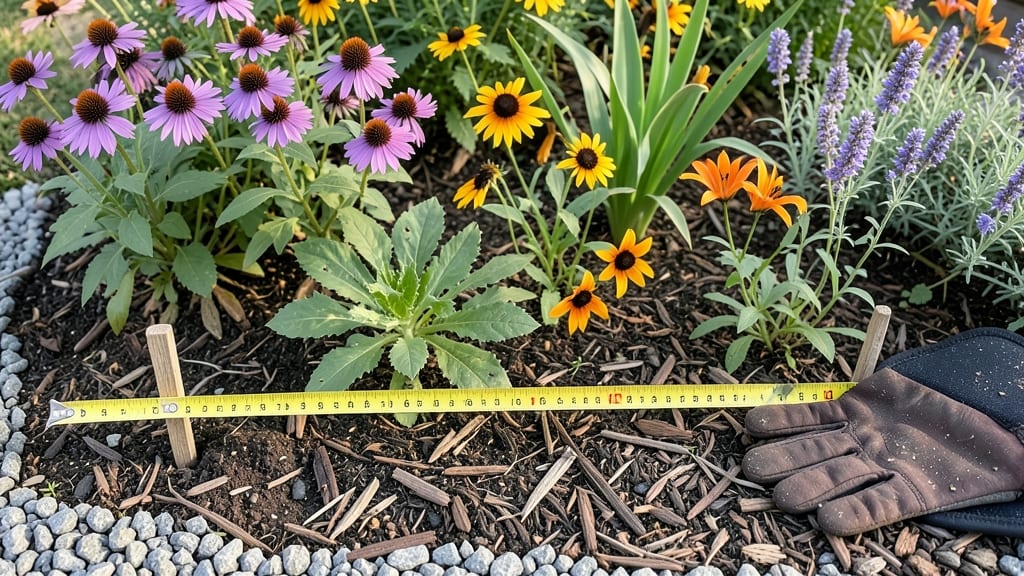
Determining flower bed size involves choosing widths of 2–4 feet for easy reach and maintenance, with lengths tailored to your available space, while mature plant spacing should be 12–36 inches apart to ensure proper airflow and growth. Always factor in sunlight requirements and plant types when designing your layout.
Getting the flower bed size right isn't just about aesthetics—it directly impacts plant health and your enjoyment of the garden. 🌸 Narrower beds (2–3 feet wide) are perfect for small gardens or herbaceous borders, while wider ones (3–4 feet) work well for shrubs or perennials that need more room to thrive.
The key is balancing accessibility (so you can weed and prune easily) with the mature size of your plants. For example, a sun-loving lavender needs at least 2 feet of space, while a tall hollyhock might require 3 feet to avoid shading smaller neighbors.
Don't overlook the length of your bed either—long, continuous designs create a cohesive look, but modular sections (like a 4x4-foot square) offer flexibility for different plant groups.
Pro tip: sketch your layout first! This helps visualize how sunlight shifts throughout the day and ensures taller plants won't block light from shorter ones. 💫
💡 In This Article
- Optimal Flower Bed Dimensions by Garden Layout
- Plant Spacing Rules for Healthy Flower Beds
Optimal flower bed dimensions by garden layout
The 2–4 foot width standard isn't arbitrary—it's based on human reach and plant biology. Studies show most adults can comfortably reach 2–3 feet into a bed without straining, making weeding and pruning easier.
Wider beds (up to 4 feet) work for shrubs or perennials with sprawling roots, like black-eyed Susans, which need extra space to establish. 🌿 For example, a 3-foot-wide bed is ideal for a mix of salvia (18 inches mature width) and coreopsis (24 inches), allowing both to thrive without competing for sunlight.
Length depends on your garden's shape and available space. Continuous beds (like a 6-foot-long strip) create visual flow but can become overwhelming in small yards. Modular designs—think 4x4-foot squares—offer flexibility to group plants by sunlight needs (e.g., full sun for daylilies, partial shade for hostas).
Curved or circular beds soften edges and work well for informal gardens, while rectangular beds suit formal layouts. Pro tip: Avoid lengths over 12 feet unless you're using raised beds, as they can create maintenance challenges in the center.
Sunlight dictates more than just plant choice—it shapes your bed's dimensions. A south-facing bed might need 3–4 feet of width to accommodate tall sun-lovers like coneflowers (3 feet tall) without shading shorter plants.
In contrast, a north-facing bed can be narrower (2–3 feet) since shade-tolerant plants like heuchera stay compact. Use a sunlight map of your yard to plot beds where plants get 6+ hours of sun (full sun) or 3–6 hours (partial shade) as needed.
Soil depth matters too—most flowers need at least 12 inches of topsoil for roots to spread. In-ground beds should be dug down 6–8 inches deeper than the largest root ball of your plants.
For example, a rosemary bush (which has deep roots) needs a 3-foot-deep planting hole, while petunias (shallow roots) thrive in 6-inch-deep soil. Amend the soil with compost to improve drainage, especially in clay-heavy areas where roots can suffocate. 🌱
Shape influences both aesthetics and function. A rectangular bed with 3-foot sides is perfect for a herb spiral, while a half-moon shape softens a corner near a patio. For slopes, use terraced beds (each 2–3 feet wide) to prevent erosion and make planting easier.
Test your layout by walking through it—you should be able to stand in the center of any bed without bumping into plants or obstacles.
Don't forget to leave 12–18 inches of walking space around beds for maintenance. This prevents soil compaction from foot traffic and makes it easier to drag a wheelbarrow or hose. For example, a 4x8-foot bed should have a 2-foot-wide path on at least one side.
In small spaces, use raised beds (which can be as narrow as 2 feet) to maximize growing area without sacrificing accessibility. 💫