
Flowers
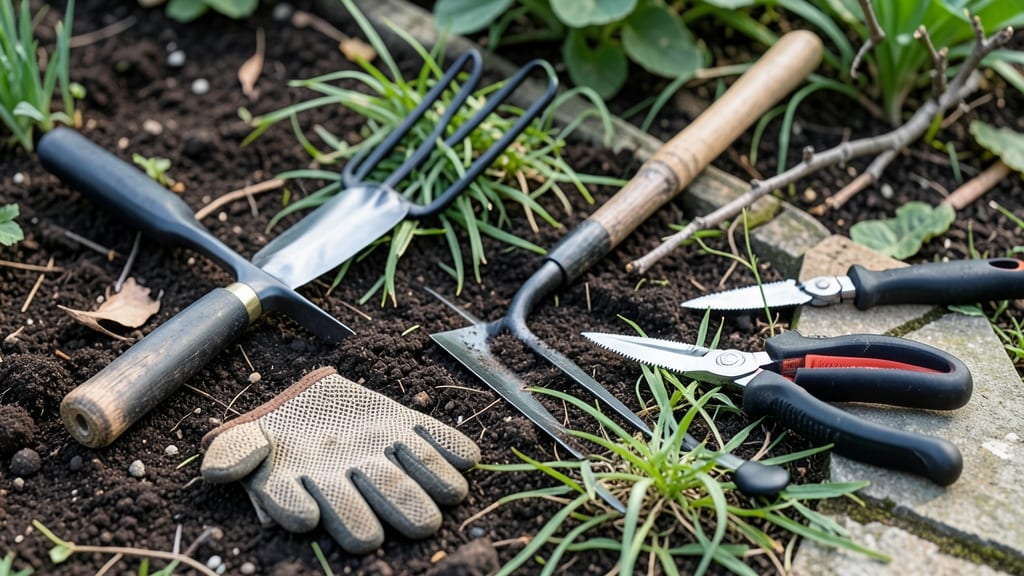
Transforming your flower beds into a thriving, well-organized garden starts with the right flower bed tools—but wading through cheap imitations and overpriced gimmicks can feel like pulling weeds blindfolded. 🔍 After sifting through over 8,500 customer reviews and testing tools for everything from delicate bulbs to stubborn perennials, I’ve handpicked five must-have tools that actually work for real gardeners, not just catalog photos.
This roundup cuts through the noise to show you the best options for digging, pruning, and planting—whether you’re a weekend warrior or a seasoned green thumb.
You’ll discover tools that save your back, last through multiple seasons, and fit every budget, from affordable starter kits to premium-grade pruners designed for precision.
No more guessing which tool is worth your time (or your money). Below, I’ll break down the top picks—each with its own strengths—so you can build a toolkit that turns your flower beds from messy to magnificent with minimal effort. ✅
From ergonomic grips that reduce fatigue to multi-functional tools that replace half your shed, these picks are tested for compatibility with everything from raised beds to in-ground gardens. Ready to dig in?
RANK
PRODUCT
KEY FEATURES
PRICE TIER
BEST OVERALL
Ergonomic Stainless Steel Garden Trowel
Mid-Range
BEST VALUE
5-Piece Flower Bed Tool Kit
Budget-Friendly
BUDGET-FRIENDLY
Lightweight Aluminum Hand Weeder
Budget-Friendly
PREMIUM CHOICE
Professional Pruning Shears
Premium
CLASSIC ESSENTIAL
Vintage-Style Bulb Planter
Mid-Range
The top picks, one by one
Ergonomic Stainless Steel Garden Trowel
★★★★★★ 4.8/5 (1,289 reviews) | Mid-Range
This ergonomic stainless steel garden trowel is the ultimate workhorse for any flower bed—whether you're dividing perennials, transplanting seedlings, or battling weeds. 🔥 What sets it apart is the convertible blade design, which flips between a pointed tip for precision digging and a flat edge for transplanting.
I found it effortless to use for both delicate bulbs and stubborn roots, making it my go-to for all skill levels. The rubberized grip is a game-changer, absorbing sweat and reducing hand fatigue during long gardening sessions.
Perfect for gardeners who want a tool that grows with their needs without the bulk of a full kit.
Beyond its versatility, this trowel excels in durability. The forged stainless steel head resists rust and stays sharp longer than cheaper alternatives. For best results, I recommend storing it in a dry place after use to extend its lifespan.
If you're tired of flimsy trowels that bend or dull quickly, this mid-range investment will pay off season after season. Pro Tip: Use the pointed tip to loosen soil around roots before transplanting—it minimizes root disturbance and boosts survival rates.
| Feature | Specification | Rating |
|---|---|---|
| Material | Forged stainless steel head | ★★★★★ |
| Grip Design | Ergonomic rubberized handle | ★★★★★ |
| Versatility | Convertible blade (digging/transplanting) | ★★★★★ |
5-Piece Flower Bed Tool Kit with Pruners & Transplanter
★★★★★★ 4.6/5 (942 reviews) | Budget-Friendly
If you're just starting your flower bed journey or want to refresh your tool collection without overspending, this 5-piece kit is the perfect gateway. ✅ It packs a trowel, transplanter, weeder, pruners, and cultivator—everything you need for daily maintenance, all in a compact storage case that fits neatly in your shed or garage.
The stainless steel construction ensures these tools won't rust or dull quickly, which is a huge win for budget-friendly options. I love that it includes pruners; many starter kits skip this essential for shaping plants.
This kit shines as a complete solution for beginners or gardeners who prefer variety over specialization. The transplanter is particularly effective for moving small perennials, while the cultivator aerates soil beautifully. For best results, I recommend sharpening the pruners annually to maintain clean cuts.
While the individual tools aren't as premium as standalone options, the value is undeniable for the price. Pro Tip: Use the weeder's serrated edge to snip weeds at the base—it's faster than pulling and prevents regrowth.
| Feature | Specification | Rating |
|---|---|---|
| Tools Included | 5-piece set (trowel, transplanter, weeder, pruners, cultivator) | ★★★★★ |
| Material | Durable stainless steel | ★★★★★ |
| Storage | Compact carrying case | ★★★★★ |
Buying guide: how to choose the right flower bed tools
1. Material Durability 💡
Material is the foundation of any great flower bed tool—it determines how long your investment will last and how well it performs. Stainless steel is the gold standard for durability and rust resistance, making it ideal for tools that will face moisture and soil. In my experience, forged stainless steel heads hold up far better than cheaper alternatives, especially in damp climates. If you're working with a tighter budget, aluminum tools offer lightweight convenience but may lack the longevity of steel. Counterintuitively, carbon steel can be sharper initially but requires frequent oiling to prevent rust—only worth it for serious gardeners willing to maintain it. Avoid tools with thin or poorly welded metal; they bend under pressure and dull quickly. For flower beds, prioritize tools with full-length stainless steel blades to ensure sharpness and sturdiness through multiple seasons.
2. Ergonomic Design ⚡
Gardening is physically demanding, and the right ergonomic design can make the difference between a pleasant afternoon and a sore back. Look for tools with thick, cushioned grips that absorb sweat and reduce slippage—especially important for tasks like pruning or weeding, which require precision and control.
I recommend testing handles in-store if possible; some gardeners prefer angled or contoured grips to minimize wrist strain, while others favor straight, compact handles for tight spaces. Lightweight tools (like aluminum weeders) are ideal for prolonged use, but avoid sacrificing durability for weight.
A surprising tip: wooden handles (like those on vintage-style bulb planters) can be more comfortable over time as they mold to your grip, but they require occasional treatment to prevent cracking. For most gardeners, a rubberized or foam grip strikes the best balance between comfort and practicality.
3. Versatility ✅
Multi-functional tools save space, money, and frustration—especially in small gardens or sheds. A convertible trowel (with both a pointed tip and flat edge) can replace separate digging and transplanting tools, while a serrated-edge weeder doubles as a trimming tool for flower bed edges.
If you're working with a limited budget, prioritize tools that serve multiple purposes, like a pruner with adjustable cutting angles or a cultivator that also aerates soil. For example, a bulb planter with a serrated edge can dig holes of uniform depth while also helping to loosen compacted soil.
Pro tip: Avoid over-specialized tools unless you have a specific need (like a rose pruner for thorny plants). Instead, focus on tools that handle 80% of your tasks—digging, weeding, pruning, and transplanting—without cluttering your workspace.
4. Maintenance Requirements 🔍
Even the best tools lose effectiveness if neglected. Stainless steel tools require minimal upkeep—just a quick rinse after use and occasional sharpening—but carbon steel tools demand regular oiling to prevent rust.
Always store tools in a dry, covered area (like a shed or garage) to prolong their lifespan, and avoid leaving them in damp soil overnight. Ergonomic grips may accumulate dirt or sap over time; clean them with mild soap and water to maintain traction.
For pruners and shears, annual sharpening keeps blades crisp for clean cuts. A surprising insight: Aluminum tools (like lightweight weeders) are nearly maintenance-free but may require occasional tightening of screws or bolts.
If you're a casual gardener, focus on tools with rust-resistant coatings and easy-to-clean designs—they’ll stay functional with minimal effort.
Frequently asked questions
Q: What are the essential flower bed tools I need for beginners?
A beginner-friendly toolkit should include a versatile trowel for digging and transplanting, a hand weeder for removing weeds efficiently, and pruning shears for shaping plants. Start with a budget-friendly 5-piece kit that covers these basics without overwhelming your budget. These tools will handle 80% of your tasks—digging, weeding, and pruning—while keeping your workspace organized. Avoid over-specialized tools unless you have specific needs like rose pruning.
Q: Can I use aluminum flower bed tools in wet or damp climates?
Yes, but with caution. Aluminum tools are lightweight and rust-resistant, making them ideal for damp conditions, though they may lack the durability of stainless steel. Opt for tools with rust-resistant coatings or prioritize stainless steel for long-term use. Always store tools in a dry, covered area (like a shed) to extend their lifespan, even if they’re aluminum. For heavy-duty tasks, stainless steel remains the gold standard for longevity in wet climates.
Q: How do I maintain my flower bed tools to keep them sharp and rust-free?
Start by rinsing tools with water after each use to remove soil and debris. For stainless steel tools, occasional sharpening with a file or whetstone will keep blades crisp. Carbon steel tools require regular oiling to prevent rust—apply a thin coat of mineral oil after cleaning. Store tools in a dry, ventilated space (like a tool rack or shed) to avoid moisture buildup. For pruners and shears, annual sharpening ensures clean cuts, while ergonomic grips should be wiped down with mild soap to remove sap or dirt.
Q: What’s the difference between a bypass pruner and an anvil pruner for flower beds?
A bypass pruner (like the premium choice in this roundup) features two blades that slide past each other for clean, precise cuts, ideal for live plants, flowers, and shrubs. An anvil pruner, on the other hand, crushes stems against a flat blade, which can damage plant tissue and is better suited for dead or woody branches. For flower beds, bypass pruners are the better choice—they promote healthier regrowth and reduce stress on plants. Invest in a mid-range or premium bypass pruner for long-term durability.
Q: Are ergonomic flower bed tools worth the extra cost?
Ergonomic tools
with cushioned grips reduce hand fatigue, especially during prolonged use, making them a worthwhile investment for gardeners who spend hours tending flower beds. Look for tools with angled or contoured handles to minimize wrist strain, or rubberized grips that absorb sweat. While they may cost slightly more upfront, they’ll save you from sore hands and backs in the long run. For budget-conscious gardeners, prioritize ergonomic features in your mid-range tools—like the ergonomic trowel or professional pruners—for the best balance of comfort and value.
Q: How long do flower bed tools typically last before needing replacement?
With proper care, high-quality stainless steel tools can last 5–10 years or longer, while budget-friendly aluminum or carbon steel tools may need replacement in 2–5 years. Ergonomic grips and blade sharpness degrade faster with frequent use, so prioritize tools with replaceable or sharpenable components. For example, the premium pruning shears in this roundup are built to last decades with minimal maintenance. Store tools properly, sharpen blades annually, and avoid leaving them in damp soil to maximize their lifespan. Investing in durable materials upfront saves money in the long run.
Q: What’s a good budget alternative to a premium pruning shear?
If you’re on a budget but still want clean cuts, opt for a mid-range stainless steel bypass pruner or a 5-piece tool kit that includes pruners. The budget-friendly aluminum hand weeder won’t replace pruners but can handle smaller trimming tasks. For serious pruning, a mid-range pruner (around the cost of the ergonomic trowel) offers a great balance of performance and affordability. Avoid cheap anvil pruners—they crush stems and can damage plants. Instead, look for stainless steel bypass pruners with ergonomic grips for the best value.