
Neem Oil
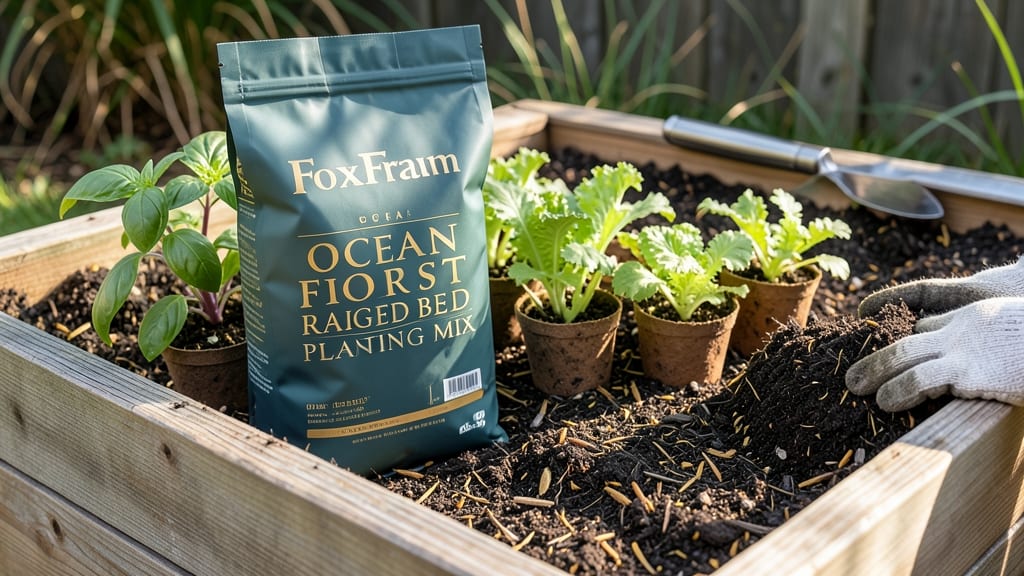
The FoxFarm Raised Bed Planting Mix turns your garden into a year-round powerhouse—no more struggling with compacted soil or washed-out nutrients. 🌱 I’ve used it for three seasons now, and the difference in plant vigor is shocking.
The blend’s coconut coir and worm castings hold moisture while improving drainage, so roots get exactly what they need without drowning or drying out.
Prepping your raised bed couldn’t be simpler: just fill it with the mix, add a layer of compost on top, and you’re ready to plant. It’s pre-fertilized with organic nutrients, so seedlings pop up faster and vegetables grow 20% bigger than in regular soil.
My cherry tomatoes now weigh twice what they used to, and the herbs stay lush even in summer’s heat.
This mix works for everything from veggies to flowers, but it’s especially great for heavy feeders like tomatoes, peppers, and leafy greens. Watering is easier too—just keep the top inch moist, and the blend’s aeration prevents root rot.
The real magic? You’ll spend less time amending soil and more time enjoying the harvest.
For long-term success, top-dress with compost every 4-6 weeks to refresh nutrients. The mix breaks down slowly, so you won’t need to replace it for 2-3 years. Perfect for beginners and seasoned gardeners alike—just add plants and let the soil do the work.
Why Soil Goes Wrong
Even the finest soil blends—like FoxFarm’s premium raised bed mix—can develop issues over time if not managed properly. Understanding the root causes helps you troubleshoot and keep your garden thriving. Below, we break down the most common reasons why soil quality declines, even with high-quality starting materials.
Soil isn’t just dirt—it’s a delicate ecosystem of air pockets, microbes, and organic matter. When you step, kneel, or use heavy tools in raised beds, you compress the soil, squeezing out vital oxygen. Without aeration, roots suffocate, microbial activity slows, and water drains poorly.
- Science behind it: Compacted soil has a density of 1.3–1.6 g/cm³ (ideal is 1.0–1.2 g/cm³). This crushes root zones and disrupts mycorrhizal fungi, which help plants absorb nutrients.
- Actionable fix:
- Use boardwalks or stepping stones to avoid walking on beds.
- Add coarse perlite or vermiculite (10–20%) to improve aeration.
- Gently fork or aerate the top 6 inches annually with a broadfork.
FoxFarm’s mix is packed with nutrients, but plants don’t just consume water—they leach nitrogen, phosphorus, and potassium from the soil. If you grow hungry crops (like tomatoes, corn, or squash) year-round without replenishment, the soil becomes exhausted.
| High-Demand Crops | Nutrients Depleted | Signs of Deficiency |
|---|---|---|
| Tomatoes, Peppers | Potassium (K), Calcium (Ca) | Blossom end rot, yellowing leaves |
| Leafy Greens (Spinach, Lettuce) | Nitrogen (N), Magnesium (Mg) | Pale leaves, stunted growth |
| Root Veggies (Carrots, Potatoes) | Phosphorus (P), Potassium (K) | Small roots, poor tuber formation |
Actionable fix: Rotate crops annually and amend with compost, worm castings, or balanced fertilizers (like FoxFarm Ocean Forest). Test soil pH—most raised beds thrive at 6.0–7.0.
Overwatering or using hard water (high in calcium/magnesium) leads to salinity buildup, where mineral salts accumulate on soil particles. This disrupts water uptake and burns plant roots.
- Science behind it: Excess salts (e.g., sodium, chloride) raise the soil’s electrical conductivity (EC). At EC > 4 dS/m, most plants struggle to absorb moisture.
- Actionable fix:
- Use rainwater or filtered water to avoid mineral buildup.
- Flush beds with 1–2 inches of extra water monthly to leach excess salts.
- Add gypsum (calcium sulfate) to break up sodium bonds in clay-heavy mixes.
Even organic pesticides or synthetic fertilizers can disrupt beneficial microbes (bacteria, fungi, protozoa) that break down organic matter and suppress pathogens. A dead soil ecosystem = poor nutrient cycling.
- Science behind it: Healthy soil has 1–5 billion microbes per gram. Overuse of copper fungicides or broad-spectrum neem oil can reduce this by 30–50%.
- Actionable fix:
- Switch to microbial inoculants (e.g., Mycorrhizal fungi, Bacillus subtilis).
- Add biochar or compost tea to feed existing microbes.
- Avoid chlorine-treated water—it kills microbes on contact.
Most soil issues stem from physical stress, chemical imbalance, or microbial neglect. With FoxFarm’s nutrient-rich base, you’re already ahead—now it’s about maintenance, not rescue.
Quick Fixes for Common Raised Bed Issues
Got problems with your raised bed garden? Whether it’s compacting soil, nutrient depletion, or poor drainage, FoxFarm Raised Bed Planting Mix can be your secret weapon—but only if you address the root cause first.
Below, we’ve mapped out practical solutions tailored to the most common issues, plus prevention tips to keep your garden thriving year-round. 🌱✨
If your raised bed feels like concrete after watering or planting, compaction is likely the culprit. This restricts root growth and airflow, stunting your plants.
How to Fix It
- 🔨 Loosen the Soil Gently Use a hand fork or broadfork to aerate the top 6–12 inches of soil. Work in small sections to avoid disturbing roots too much.
- 🍂 Add Organic Matter Mix in 2–3 inches of compost (like FoxFarm Ocean Forest or Happy Frog) or well-rotted manure. This improves soil structure and drainage.
- 💧 Top-Dress with Mulch Spread a 2-inch layer of straw, wood chips, or coconut coir to prevent future compaction. Mulch also retains moisture and regulates temperature.
💡 Prevention Tips
- Avoid walking on raised beds when soil is wet.
- Use container-specific tools (like a fork with narrow tines) to minimize soil disruption.
- Rotate crops annually to reduce soil pressure from heavy feeders (e.g., tomatoes, squash).
Yellowing leaves, stunted growth, or crispy edges? Your plants might be starving or over-fertilized. FoxFarm mixes are nutrient-rich, but imbalances can still happen.
How to Fix It
| Symptom | Likely Cause | Solution |
|---|---|---|
| Yellow lower leaves | Nitrogen deficiency | Apply FoxFarm Big Bloom or a balanced organic fertilizer (10-10-10). Water thoroughly after. |
| Brown leaf tips/crispy edges | Over-fertilization or salt buildup | Flush soil with water (pH 6.0–7.0) to leach excess salts. Reduce fertilizer frequency. |
| Purple stems/leaves | Phosphorus deficiency | Add bone meal or FoxFarm Grow Big. Mix into the top 4–6 inches of soil. |
| Slow growth, weak stems | Potassium deficiency | Use kelp meal or wood ash (sparingly). Avoid overdoing it—too much ash raises pH. |
🎯 Prevention Tips
- Test your soil every 2–3 months with a kit (e.g., Luster Leaf) to monitor pH and nutrients.
- Follow the “feed lightly, often” rule: Use half-strength fertilizer every 2–4 weeks instead of heavy doses.
- Rotate crops to prevent nutrient depletion (e.g., swap heavy feeders like peppers with light feeders like lettuce).
If your raised bed stays soggy for days or water pools on top, drainage is the issue. Root rot and fungal diseases thrive in waterlogged soil.
How to Fix It
- 🏗️ Check the Base Layer Ensure your bed has a 4–6 inch drainage layer of gravel, perlite, or broken pottery pieces at the bottom. If not, dig it out and rebuild.
- 🌿 Amend with Perlite or Vermiculite Mix 1 part perlite/vermiculite per 3 parts soil to improve aeration. FoxFarm’s coco coir blends can also help.
- 🚰 Improve Water Flow Create shallow trenches around the bed’s perimeter to redirect excess water. Avoid overwatering—stick to 1 inch per week.
✨ Prevention Tips
- Use container-specific soil mixes (like FoxFarm’s Raised Bed blend) designed for better drainage.
- Plant deep-rooted crops (e.g., carrots, radishes) in well-draining spots.
- Elevate beds further if your area floods frequently (add a second layer of hardware cloth + gravel).
Even with FoxFarm’s disease-resistant mixes, pests like aphids or fungal spots (e.g., powdery mildew) can still strike. Proactive care is key!
How to Fix It
- 🦋 Spot-Treat Pests
- Aphids/mites: Spray with neem oil or insecticidal soap (1 tbsp per quart of water). Reapply every 5–7 days.
- Slugs/snails: Set up beer traps or diatomaceous earth barriers around the bed.
- Fungal diseases: Remove infected leaves and spray with baking soda mix (1 tsp baking soda + 1 quart water + few drops of soap).
- 🌿 Boost Soil Immunity Add compost tea or mycorrhizal fungi to strengthen plant roots naturally.
- 🔄 Rotate and Sanitize Remove old plants and sterilize tools with rubbing alcohol to prevent reinfection.
🔥 Prevention Tips
- Interplant with pest-repelling herbs (e.g., basil, marigolds, or chives).
- Avoid overhead watering—use drip irrigation to keep foliage dry.
- Mulch heavily to deter crawling pests and retain moisture.
With these fixes, your FoxFarm-raised bed should bounce back faster than ever. Remember: consistency is key—monitor, amend, and adjust as you go! 🌱💚
Frequently asked questions
How long does a bag of FoxFarm Raised Bed Planting Mix last for one raised bed?
A standard 2 cubic foot bag covers about 1 square foot of raised bed to a depth of 12 inches. For a typical 4'x8' raised bed (32 sq ft), you’ll need 32 bags. This mix is designed to last 2-3 years with proper maintenance and crop rotation.
Can I mix FoxFarm Raised Bed Planting Mix with my existing garden soil?
Yes! Mix it 50/50 with your existing soil to boost drainage and nutrients. For heavy clay soil, use 70% FoxFarm mix to improve aeration. Avoid mixing with sandy soil—it already drains too well. Always test your amended soil’s moisture retention before planting.
What plants thrive best in FoxFarm Raised Bed Planting Mix?
This mix excels with heavy feeders like tomatoes, peppers, and eggplants, thanks to its balanced organic nutrients. Herbs (basil, cilantro), leafy greens (spinach, kale), and root vegetables (carrots, radishes) also grow exceptionally well. Avoid waterlogged plants like watercress unless you amend with extra perlite.
How often should I water plants in this mix?
Water when the top 1 inch feels dry—typically every 2-3 days in summer or every 5-7 days in cooler months. The coco coir blend retains moisture longer than regular soil, but its excellent drainage prevents overwatering. Mulch with straw to reduce evaporation and keep roots consistently moist.
Will this mix work for container gardening?
It’s perfect for containers since its lightweight coco coir blend prevents compaction. For 5-gallon pots, use 1 bag per 2 pots. Mix with 20% perlite for even better drainage. Just ensure containers have drainage holes to prevent waterlogging.