
Tools
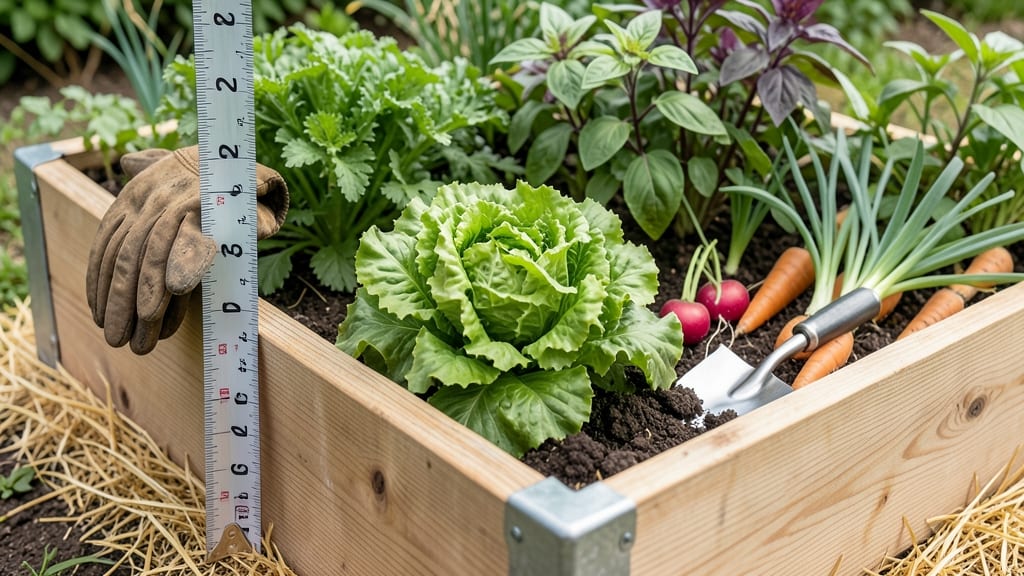
Determining the ideal garden bed height depends on your planting needs: standard in-ground beds should be 6 to 12 inches deep for most vegetables, while raised beds typically reach 12 to 18 inches to improve accessibility and drainage.
Getting the right garden bed height isn't just about aesthetics—it directly impacts how well your plants grow. 🌱 Shallow beds (under 6 inches) can restrict root systems, especially for deep-rooted crops like tomatoes or carrots, while overly deep beds (over 18 inches) may waste soil and complicate maintenance.
I’ve found that the sweet spot balances root space with practicality—deep enough for healthy growth but manageable for weeding and harvesting.
Raised beds offer a game-changer for accessibility, especially for gardeners with back or knee issues. The extra height (12–18 inches) reduces bending and lets you work from a standing position, which is a lifesaver after years of gardening.
Plus, the elevated design improves drainage, preventing waterlogged soil that can suffocate roots. For in-ground beds, stick to the 6–12 inch range unless you’re growing particularly tall plants like corn or sunflowers.
💡 In This Article
- How Garden Bed Height Affects Root Growth and Soil Health
- Choosing the Right Height for Raised vs In-Ground Beds
How garden bed height affects root growth and soil health
The depth of your garden bed directly influences how plants develop below ground. Most vegetables thrive with a 6-12 inch soil depth because this provides enough space for their root systems to establish while maintaining good aeration.
For example, leafy greens like lettuce or spinach only need about 4-6 inches of soil, while deeper-rooted plants like carrots or potatoes require the full 12 inches to grow properly.
The extra depth allows roots to access moisture and nutrients deeper in the soil profile, which is especially critical during dry spells. 🌱
Soil compaction becomes a major issue in shallow beds, particularly when walked on or worked with heavy tools. Compacted soil restricts root penetration and reduces water infiltration, leading to poor drainage.
A 12-inch deep bed gives roots room to expand naturally without hitting hardpan layers that often form in native soil. This depth also supports beneficial soil microbes that thrive in well-aerated conditions, breaking down organic matter more efficiently and releasing nutrients that plants can absorb.
Drainage dynamics change dramatically with bed height. Deeper beds (12+ inches) allow excess water to percolate through the soil more effectively, preventing waterlogging that can suffocate roots. In contrast, shallow beds (<6 inches) may become saturated quickly, especially in clay-heavy soils.
The extra height in raised beds creates a natural slope that helps water drain away from plant roots, similar to how contour plowing works in agricultural fields. This is particularly valuable in regions with heavy rainfall or poor native drainage.
Another critical factor is how bed height affects soil temperature. Deeper beds maintain more stable temperatures year-round because they're insulated by surrounding soil or air (in raised beds). This consistency is vital for root development—cool soil in spring can delay germination, while overheated soil in summer stresses plants.
The 12-inch depth provides that thermal buffer while still allowing surface soil to warm sufficiently for seed germination. For heat-loving crops like tomatoes, this balance is essential for vigorous growth.
Let's consider the microbial ecosystem: deeper beds support a more diverse population of soil organisms, including earthworms and beneficial fungi. These creatures create channels that improve soil structure and water movement.
In my own garden, I've noticed that tomato plants in 12-inch deep beds produce larger fruit with fewer blossom-end rot issues—a direct result of better calcium availability from active microbial processes in the deeper soil profile.
The extra depth essentially creates a more fertile environment for both plants and soil life. 🌿
For container gardening or small spaces, you can achieve similar benefits by using deep pots (at least 12 inches tall) or stacking containers. The principle remains the same: providing adequate root zone space while maintaining good drainage.
This approach works particularly well for urban gardeners who need to maximize growing area without compromising plant health.