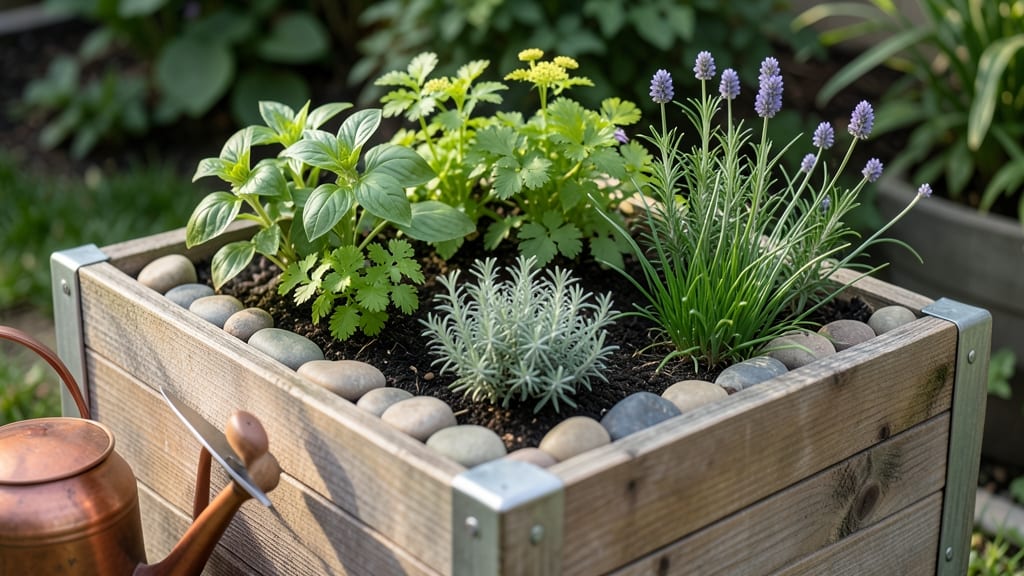
Buying guide: how to choose the right garden bed planter box
1. Material Durability and Weather Resistance 🛡️
Not all materials age the same way, and choosing the right one can mean the difference between a planter that lasts for years and one that warps or rots within a season. Cedar is my top recommendation for its natural resistance to rot, pests, and weathering—it’s a classic for a reason.
If you’re on a tighter budget, galvanized steel offers rust resistance and lightweight portability, while UV-stabilized plastic is a budget-friendly option that won’t crack easily under sunlight. Counter-intuitively, hardwood might seem pricier upfront, but its longevity and aesthetic appeal make it a significant investment for serious gardeners.
Avoid untreated wood or low-quality plastic, as they’ll degrade quickly and require frequent replacements.
2. Assembly Difficulty and Tool Requirements ⚡
Some planter boxes arrive ready to assemble in under an hour with no tools, while others require screws, hammers, or even power tools. I recommend looking for pre-drilled kits or those with interlocking corner designs, as they’re the easiest to assemble without frustration.
If you’re renting or need flexibility, foldable metal or stackable plastic beds are game-changers—they often come with clear instructions and minimal hardware. Pro tip: Avoid kits that require specialized tools unless you’re prepared for extra effort.
The last thing you want is to spend your weekend wrestling with a stubborn planter instead of gardening!
3. Drainage and Soil Retention Features ✅
Poor drainage is a silent killer for plants, leading to root rot and stunted growth. Always prioritize beds with pre-drilled drainage holes or built-in landscape fabric liners to prevent soil loss while allowing excess water to escape.
For deeper-rooted plants like tomatoes or carrots, opt for beds with at least 12 inches of soil depth. If you’re growing herbs or shallow-rooted veggies, a 6-inch depth will suffice. A surprising trick?
Adding a layer of gravel or broken pottery at the bottom of your bed improves drainage without sacrificing soil volume. This small adjustment can make a huge difference in plant health, especially in rainy climates.
4. Portability and Space Efficiency 💡
If you’re limited on space or need to move your garden bed frequently, foldable metal or stackable plastic options are lifesavers. These designs often weigh less than 30 pounds and can be stored vertically or disassembled for travel.
For permanent setups, wooden beds offer stability but are heavier and harder to relocate. If you’re growing in a small apartment or balcony, consider modular planter boxes that can be arranged in different configurations.
I’ve found that adjustable legs also help stabilize beds on uneven terrain, which is a game-changer if your yard isn’t perfectly flat. Think ahead about how much space you have and how often you might need to move your planter—it’ll save you headaches (and back pain) later!
Frequently asked questions
Q: What materials are best for a long-lasting garden bed planter box?
1
Cedar
is my top recommendation for its natural resistance to rot, pests, and weathering—it can last 10+ years with proper care. Galvanized steel is another excellent choice for durability and rust resistance, especially if you need a lightweight, portable option. For budget-friendly solutions, UV-stabilized plastic won’t warp or crack easily under sunlight, making it ideal for temporary or small-scale setups. Avoid untreated wood or low-quality plastic, as they degrade quickly and require frequent replacements.
Q: How deep should a garden bed planter box be for different plants?
For shallow-rooted plants like herbs, lettuce, or strawberries, a 6-inch depth is sufficient. If you’re growing medium-rooted vegetables such as peppers, beans, or bush tomatoes, aim for 10-12 inches of soil depth. For deep-rooted plants like carrots, potatoes, or asparagus, opt for a bed with at least 18 inches of depth. Most pre-made raised beds offer 6-12 inches, so check the product specifications before purchasing.
Q: How do I prevent soil from leaking out of my garden bed planter box?
To keep soil in place, line the bottom of your planter box with a landscape fabric or hardware cloth before adding soil. This creates a barrier that prevents soil from escaping through drainage holes while still allowing water to flow freely. For wooden or cedar beds, you can also use a plastic liner or even a thick layer of cardboard as a temporary solution. If your bed has gaps between panels, consider adding weatherstripping or foam tape to seal them.
Q: Can I move a garden bed planter box once it’s filled with soil and plants?
Moving a fully planted garden bed is possible but requires careful planning. Lightweight materials like galvanized steel or plastic are the easiest to relocate, especially if they’re foldable or have handles. For heavier wooden beds, wait until plants are well-established (about 2-3 weeks after transplanting) and water the soil thoroughly before moving to reduce root damage. If you must move a mature bed, lift plants with their root balls and transplant them into the new location rather than dragging the entire bed.
Q: What’s the difference between a wooden and a metal garden bed planter box?
2
Wooden planter boxes
, especially cedar, offer a natural, aesthetic appeal and excellent insulation for plant roots. They’re ideal for long-term use and can be customized with paint or stains. However, they require more maintenance (e.g., sealing) and can be heavier. Metal planter boxes, like galvanized steel, are lightweight, portable, and rust-resistant, making them perfect for small spaces or renters. They heat up faster in sunlight, which can affect soil temperature, but they’re easier to clean and store. Choose wood for permanence and metal for flexibility.
Q: How do I choose the right size for my garden bed planter box?
Consider your space constraints, the types of plants you want to grow, and how much soil and compost you’re willing to handle. A 4x8 ft bed is ideal for larger gardens and deep-rooted vegetables, while a 3x3 ft or 4x2 ft bed works well for herbs, lettuce, or small vegetables in limited spaces. If you’re a beginner, start with a smaller size to avoid overwhelming yourself with soil prep and maintenance. For raised beds, remember that deeper beds (12+ inches) require more soil but support a wider variety of plants.
Q: Is a garden bed planter box worth the investment for small gardens or balconies?
A garden bed planter box is especially valuable for small spaces because it maximizes growing area, improves drainage, and reduces weeds. For balconies or patios, opt for foldable metal or stackable plastic beds, which are lightweight and easy to store. These beds also allow you to control soil quality, which is crucial in urban environments where native soil may be poor. Even in small gardens, raised beds can boost yields by 20-30% due to better soil aeration and warmer temperatures. It’s a cost-effective way to grow fresh produce year-round.
★★★★★4.6(2 reviews)