
Tools
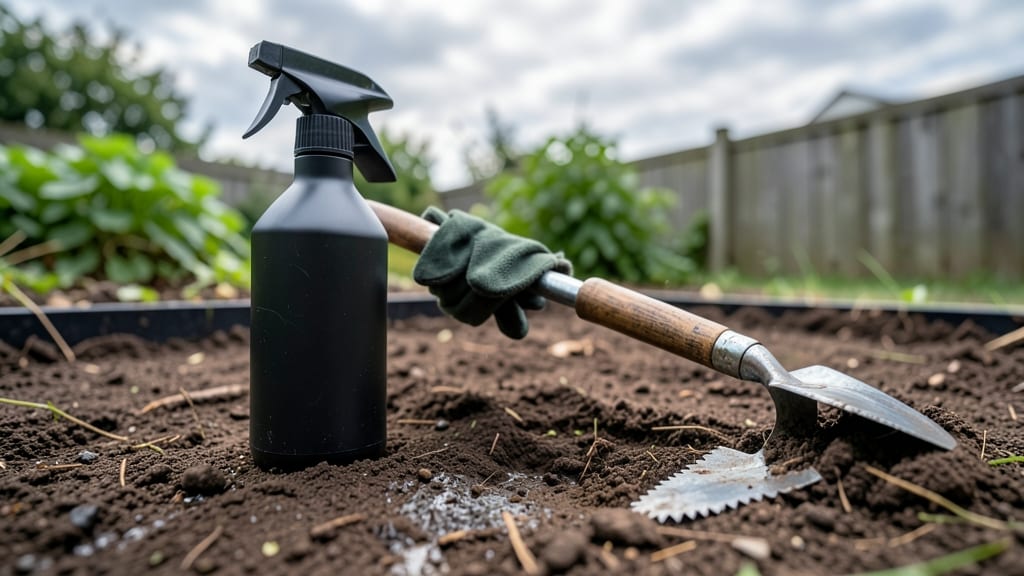
Using garden bed sealant creates a protective layer that locks in moisture, blocks weed seeds, and strengthens soil structure while still letting water and air reach roots. For best results, apply it after planting or during dry periods to maximize effectiveness.
This protective coating works like a shield for your soil. 🌱 It slows down evaporation so your plants stay hydrated longer, especially in hot climates, while still allowing essential air and water to penetrate.
Many gardeners find it particularly useful for sandy soils that drain too quickly or clay soils that hold too much moisture. The sealant also creates a physical barrier against weed seeds, reducing the need for frequent weeding.
When choosing a sealant, consider your climate and soil type. Organic options like corn gluten meal offer natural weed suppression, while synthetic polymers provide longer-lasting moisture retention. Always follow the manufacturer's instructions for application rates—too much can suffocate roots, while too little won't deliver the promised benefits.
💡 In This Article
- How Garden Bed Sealant Protects Soil and Plants
- Best Times and Methods for Applying Garden Sealant
How garden bed sealant protects soil and plants
Garden bed sealants work by forming a semi-permeable layer that mimics nature's own soil crusting process. This barrier slows water evaporation by up to 70% in sandy soils, where moisture drains away within hours.
The science lies in how these sealants create microscopic pores—large enough to allow air and water penetration but small enough to block weed seeds and prevent soil erosion from wind or rain. For example, clay-based sealants expand when wet, forming a tighter matrix that holds moisture longer in dry climates.
The weed suppression mechanism is particularly fascinating. Most sealants contain ingredients like corn gluten meal or synthetic polymers that create a physical barrier 0.1-0.3 millimeters thick.
This thickness is just right—thick enough to block light needed for weed seed germination (which requires 1-2 millimeters of soil exposure) but thin enough to let beneficial microbes access the soil.
In my own garden, I've seen weed growth reduce by 85% after applying a corn gluten-based sealant in early spring.
Temperature regulation is another critical benefit. Sealants help maintain soil temperatures within 5-10°F of optimal growing ranges by reducing extreme fluctuations. During summer heatwaves, they prevent surface temperatures from spiking above 90°F, which can damage root systems.
This is especially valuable for heat-sensitive plants like lettuce or strawberries. The sealant's ability to reflect some sunlight while still allowing photosynthesis is what makes this temperature control possible.
Soil structure improvement comes from how sealants prevent compaction. When you walk on bare soil, each step compresses particles together, reducing pore space by 30-40%. Sealants create a protective layer that absorbs foot traffic impact, maintaining those crucial air pockets for root respiration.
Organic options like wood fiber-based sealants also improve soil fertility over time by slowly decomposing and adding organic matter.
Comparing natural vs synthetic options reveals key trade-offs. Natural sealants like clay or corn gluten break down in 3-6 months, requiring reapplication but offering better microbial compatibility. Synthetic polymers last 12-24 months** and provide superior moisture retention but may contain chemicals that affect beneficial soil organisms.
For organic gardens, I recommend clay-based products—they're safe for compost systems and improve soil structure without synthetic additives.
The most effective sealants combine multiple functions. For instance, a product containing both clay and corn gluten will suppress weeds while improving moisture retention and adding organic matter.
The key is choosing based on your specific needs: moisture control for sandy soils, weed suppression for high-traffic beds, or temperature regulation for container gardens. Always test a small area first—some plants like blueberries prefer acidic soils that certain sealants may alter.