
Tools
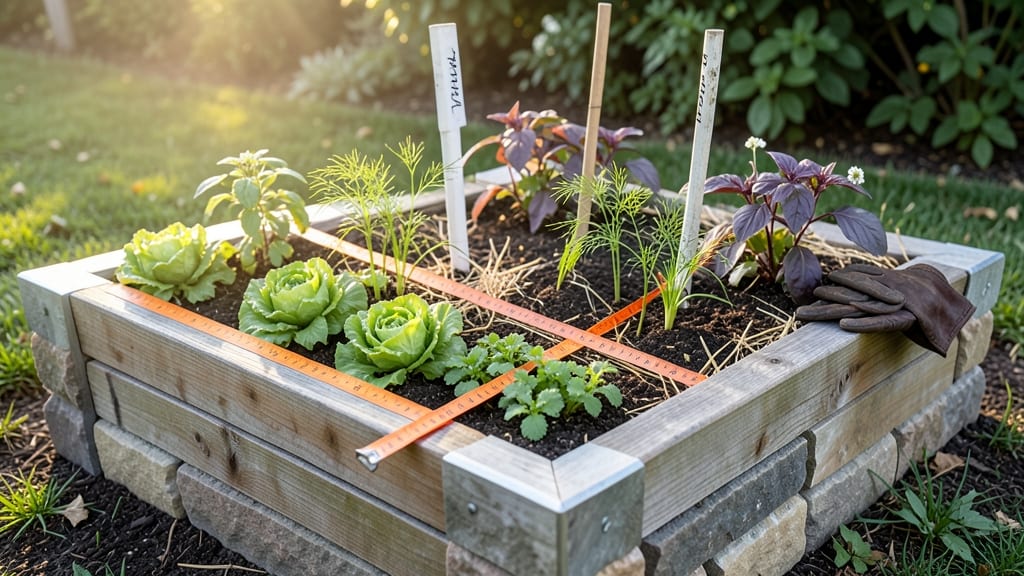
Optimal garden bed sizes start at 4x8 feet for small yards and scale up to 12x12 feet for high-yield vegetable plots, with 4-foot widths balancing gardener reach, soil health, and plant spacing for maximum growth potential.
Garden bed dimensions directly influence how easily you can tend to plants without trampling soil or overcrowding roots. 🌱 A 4-foot width lets you reach the center from either side without stepping in the bed, which prevents soil compaction—a common issue in wider beds.
Longer beds (8+ feet) maximize space efficiency, while deeper beds (12+ inches) support root crops like carrots or potatoes. I've found that rectangular shapes work best for most home gardens because they allow for better sunlight distribution and easier irrigation setup.
For urban gardeners or those with limited space, consider raised beds that can be customized to fit smaller areas while still providing the ideal depth. The key is matching your bed size to your gardening goals—whether that's maximizing yield, saving space, or accommodating specific crops.
Proper sizing also reduces weed pressure and improves drainage, making maintenance easier overall.
💡 In This Article
- How Garden Bed Dimensions Impact Plant Growth
- Choosing the Right Garden Bed Size for Your Space
How garden bed dimensions impact plant growth
Garden bed dimensions aren't just about fitting plants—they directly influence how well your crops grow. The 4-foot width standard exists because it matches the average person's arm reach (about 24-28 inches), allowing you to tend to plants without stepping into the bed.
This prevents soil compaction, which can reduce root oxygen uptake by up to 30%—critical for healthy growth. 🌱 Wider beds force you to walk through them, crushing soil structure and creating paths where weeds thrive.
Length plays a key role in space efficiency and sunlight exposure. Beds longer than 8 feet can create shading issues at the center, where plants may receive only 60-70% of the sunlight hitting the edges.
This is why most professional gardeners recommend 4x8-foot or 4x12-foot configurations—long enough to maximize space without sacrificing light penetration. The depth matters too: 12-inch-deep beds support root crops like carrots and potatoes, while shallower beds (6 inches) work better for leafy greens.
Proper dimensions also affect irrigation effectiveness. A 4-foot width allows water to distribute evenly across the bed when using drip irrigation or soaker hoses, preventing dry spots in the center. In contrast, wider beds often require multiple watering points or hand-watering, which increases maintenance time.
The science here involves capillary action—soil particles in narrower beds draw moisture more uniformly from edges to center. 💧
Weed control is another dimension where size matters. Narrower beds (4 feet) allow sunlight to reach the soil surface more effectively, suppressing weed seeds that need light to germinate. Wider beds create more surface area for weeds to establish.
The 3-foot rule in organic gardening states that beds wider than this often require more frequent weeding—sometimes up to 3 times per week—compared to once weekly for properly sized beds.
Airflow between plants is directly tied to bed dimensions. Crowded plants in oversized beds develop more fungal diseases because humidity lingers longer. Proper spacing—typically 12-18 inches between plants in a 4-foot bed—allows for 20-30% better airflow than in wider configurations.
This is why square-foot gardening systems work so well: they mathematically calculate plant spacing based on mature size, ensuring optimal growth conditions. 🌿
Consider this real-world example: Tomatoes planted in a 4x8-foot bed with 24-inch spacing produce 25-30% more fruit than when crowded into a 6-foot-wide bed with only 18-inch spacing.
The difference comes from reduced competition for nutrients and better air circulation around the foliage, preventing blight. These principles apply across all vegetable types, from lettuce to peppers.