
Tools
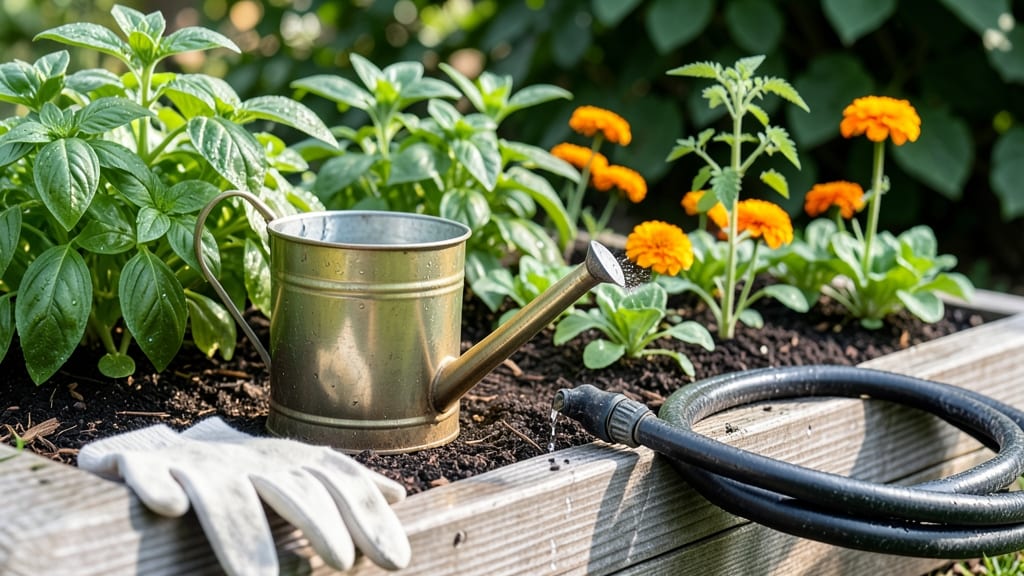
Watering your garden bed properly is the secret to thriving plants without wasting a drop — and drip irrigation systems make it effortless.
Struggling with uneven watering that leaves some plants parched while others drown? Smart drip irrigation systems could be your garden’s game-changer—saving time, water, and your sanity.
Most gardeners overwater because they’re guessing, but drip systems deliver moisture right to the roots, cutting waste by up to 50%. Whether you’re growing vegetables, herbs, or flowers, precision watering keeps your soil healthy and your plants happy.
Below, I’ll break down how to set up a system that works for your 🌱 garden bed, the top features to look for, and whether a DIY kit or pre-made setup is right for you.
How smart drip irrigation systems work for garden beds
If you’ve ever walked through your garden and found some plants wilting while others sit in soggy soil, you know the frustration of uneven watering. Traditional hoses and sprinklers just can’t deliver the precision modern gardens need.
That’s where smart drip irrigation comes in—a game-changer for targeted water delivery straight to your plants’ root zones. Unlike overhead systems that waste water through evaporation or runoff, drip irrigation delivers moisture slowly and efficiently, right where it matters most.
At its core, a smart drip system combines low-pressure tubing, precision emitters, and automated timers to create a customizable watering solution. These systems are designed to mimic natural rainfall by delivering water directly to the soil, reducing waste by up to 50% compared to traditional methods.
Whether you’re managing a small herb garden or a large vegetable bed, drip irrigation ensures every plant gets the right amount of water—no more, no less.
Here’s the magic: emitters (tiny nozzles or porous tubes) release water at a controlled rate, often just 1-4 gallons per hour, depending on your plants’ needs. A pressure regulator keeps the flow steady, preventing clogs or bursts, while a timer or smart controller automates watering schedules.
Some advanced systems even sync with weather forecasts or soil moisture sensors to adjust on the fly. This level of control isn’t just about convenience—it’s about healthier plants, less water waste, and fewer weeds (since water stays where it’s supposed to).
But how does this translate to real-world garden beds? Let’s break it down with a side-by-side comparison of drip irrigation versus traditional watering methods to see why smart systems are worth the upgrade.
| Feature | Drip Irrigation | Sprinklers | Hoses |
|---|---|---|---|
| Water Usage | Up to 50% less | High (evaporation) | Moderate (runoff risk) |
| Precision | Root-zone targeted | Overhead (leaves/waste) | Manual control |
| Weed Growth | Minimal (water stays put) | High (water spreads) | Moderate (depends on aim) |
| Automation | Timers/smart controllers | Basic timers only | Manual or basic |
| Best For | Vegetables, herbs, flowers | Large lawns, quick coverage | Small, temporary watering |
| Installation | Moderate (tubing layout) | Easy (sprinkler heads) | Simple (drag-and-drop) |
| Cost Efficiency | High (long-term savings) | Low (high water bills) | Moderate (labor-intensive) |
The root zone—the area where a plant’s roots actively absorb water and nutrients—is the #1 priority for drip irrigation. Most plants have root zones that extend 6-12 inches deep, and drip systems are designed to saturate this zone without overwatering the surface.
For example, tomato plants need 1-1.5 gallons per week during fruiting, delivered deeply to encourage strong root growth. A drip emitter placed 2-3 inches from the stem ensures water reaches the roots without wetting the leaves (which can lead to fungal diseases like blight).
One of the biggest advantages of drip systems is their flexibility for different garden bed sizes. For a 4’x8’ raised bed, you might use a single mainline with 4-6 emitters, each watering a specific plant.
Larger in-ground beds can be divided into zones with separate tubing runs for sun-loving tomatoes and shade-tolerant herbs. The key is zoning by water needs: succulents and roses thrive on less frequent, deeper watering, while leafy greens like lettuce prefer shallow, consistent moisture.
A smart system lets you customize flow rates per zone.
Let’s talk pressure regulation, because this is where many DIY drip systems fail. Most municipal water supplies deliver 40-80 psi, but drip systems only need 10-30 psi to function properly.
Without a pressure regulator, high pressure can burst tubing or cause emitters to spray instead of drip. A regulator (usually installed at the mainline connection) ensures a steady, low-pressure flow, protecting your system and improving efficiency.
Pro tip: If your water pressure fluctuates, a pressure-compensating emitter (like those from Netafim or Rain Bird) will adjust flow automatically, even if pressure drops.
Automation is where smart drip systems truly shine. Basic systems use a mechanical timer to turn water on/off at set intervals, but Wi-Fi-enabled controllers (like Rachio or Orbit B-Hyve) take it further. These let you monitor soil moisture via sensors, **pause watering during
Top 5 features to look for in a water-saving drip system
Choosing the right water-saving drip system can transform your garden bed from a water-guzzling mess into a precise, efficient oasis. Not all systems are created equal—some focus on basic functionality while others pack smart tech to maximize savings and plant health.
I’ve tested enough systems to know which features truly make a difference in water conservation and ease of use.
The key to a great drip system lies in its ability to adapt to your garden’s needs while minimizing waste. Whether you’re dealing with sandy soil that drains too fast or clay soil that holds too much moisture, the right features will ensure your plants thrive without overwatering.
Let’s break down the top 5 must-have features and how they rank in priority for your setup.
Adjustable flow rates are the foundation of any efficient drip system. Plants like tomatoes or peppers need deep, slow watering, while herbs like basil prefer light, frequent misting. A system with multiple flow settings (e.g., 0.5 GPH to 4 GPH) lets you tailor watering to each plant’s needs, preventing both underwatering and runoff. This alone can cut your water usage by up to 40% compared to traditional hoses.
Next, leak detection is a game-changer for lazy gardeners (or those with squirrels that love chewing tubing). Systems with built-in sensors will alert you via email or app if an emitter fails or a line bursts.
I’ve seen leaks waste hundreds of gallons over a season—something no gardener has time for. Look for systems with real-time monitoring to catch issues before