
Tools
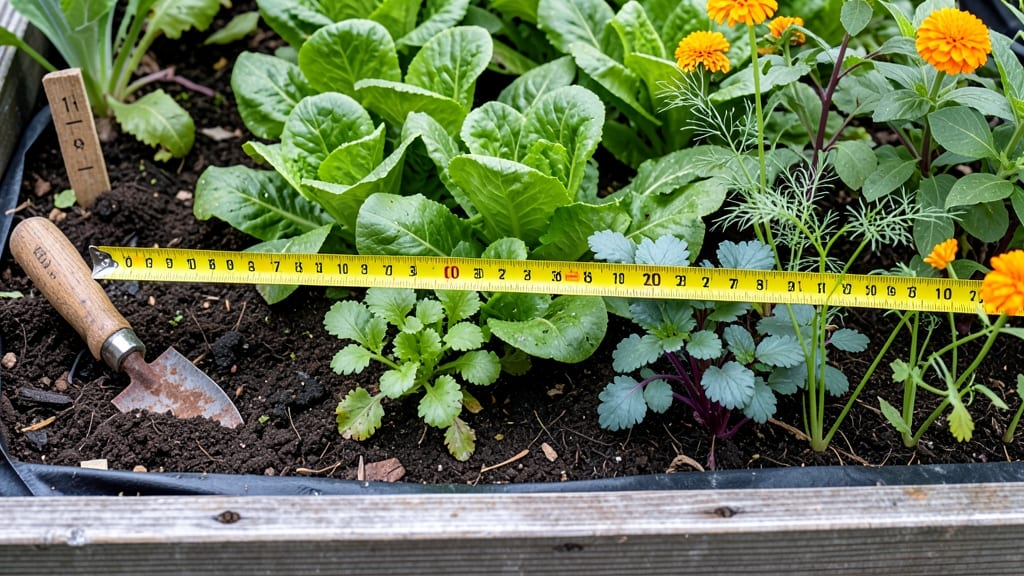
The ideal garden bed width for most plants and gardeners is 3–4 feet—a magic number that balances reach, soil health, and maintenance without sacrificing space.
Picture this: you’re knee-deep in weeding, stretching just a little too far, and your back starts to protest.
Or you’ve built a bed so wide that the middle stays compacted and the edges get overwatered. Width matters more than you think, and getting it right can mean the difference between a thriving garden and one that feels like a chore.
This isn’t just about fitting your arm across the bed—it’s about soil moisture, root development, and even how you move through your space. Too narrow, and you’ll waste time stepping on soil or battling weeds from the edges.
Too wide, and you’ll lose efficiency, soil quality, and control over what’s growing where.
In this guide, I’ll break down the science behind the 3–4 foot rule, how to adjust for raised beds, in-ground plots, or containers, and why your garden’s layout might need a complete redesign for better access and growth. Let’s get growing smarter!
Optimal garden bed width for easy access and weed control
The 3–4 foot width isn’t just a gardening rule—it’s an ergonomic science designed to maximize your reach while minimizing strain. When beds are too narrow, you’ll spend more time stepping on plants and battling weeds from the edges.
But when they’re too wide, you’ll struggle to access the center without trampling soil or overreaching, which can damage plants and compact the soil. This balance ensures efficient maintenance and healthier plants.
Think of your garden bed like a workbench. If it’s too small, you’ll be crowded and clumsy. Too large, and you’ll waste time stretching or climbing in. The 4-foot rule lets you stand comfortably on either side, with your arms extended just enough to reach the center without strain.
This isn’t arbitrary—it’s based on the average adult’s arm span and shoulder mobility, making gardening less of a workout and more of a pleasure.
Here’s the golden rule: A 4-foot-wide bed lets you stand on one side and easily reach the center without stepping inside. This width also aligns perfectly with plant spacing guidelines for most vegetables, herbs, and flowers.
For example, tomatoes and peppers thrive with 18–24 inches between plants, while carrots and radishes need 2–4 inches. A 4-foot bed fits two rows of most crops with ideal spacing, reducing competition for nutrients and sunlight.
Weeds thrive in unreachable spaces, and a well-sized bed keeps them at bay. With a 4-foot width, you can weed efficiently from both sides, ensuring no spot goes unchecked. Narrower beds force you to step inside, compacting soil and creating paths where weeds take over.
Wider beds? You’ll spend half your time reaching or climbing instead of tending to plants. The compromise? Less weeding, more growing.
Let’s talk soil health. Wider beds can lead to uneven moisture distribution—the center stays damp longer, while edges dry out faster. A 4-foot bed ensures consistent watering and aeration across the entire area.
Plus, this width allows for proper mulching, which suppresses weeds and retains moisture without smothering plants. If you’re using raised beds, this dimension also aligns with standard lumber sizes (like 8-foot lengths), making construction easier and more affordable.
For herbs like basil and parsley, a 4-foot bed gives you space to plant 3–4 rows with ample airflow, reducing disease risk. Flowers like marigolds or nasturtiums can be interplanted without crowding, while vegetables like zucchini or cucumbers have room to sprawl without competing for space.
Even tall plants like sunflowers or corn can be placed at the edges, where they won’t shade out shorter crops in the center.
What if your space is limited? 3-foot beds work too—just plant shorter crops like lettuce or radishes and access from one side. For larger yards, 8-foot-long beds (with 4-foot width) create a perfect balance of accessibility and space.
The key is to avoid widths over 4 feet unless you’re using a permanent path down the middle, which can become a weed magnet.
Pro tip: Use string lines or bamboo stakes to mark your bed dimensions before planting. This ensures precise spacing and helps you visualize how plants will mature.
For container gardens, aim for widths of 2–3 feet—wide enough for two rows of herbs or greens but narrow enough to lift easily for watering or harvesting.
| Bed Width (ft) | Accessibility | Plant Spacing | Weed Control | Soil Health |
|---|---|---|---|---|
| 2–3 ft | One-sided access; may require stepping inside | Limited to 1–2 rows of small crops | Hard to reach edges; weeds thrive | Moisture uneven; edges dry faster |
| 3–4 ft | Two-sided access; no stepping needed | Ideal for 2–3 rows of most crops | Easy to weed from both sides | Consistent moisture; aeration balanced |
| 4–6 ft | Requires central path or overreaching | Works for wide-spreading plants (e.g., pumpkins) | Center becomes weed-prone without path | Center stays damp; edges dry out |
If you’re designing a new garden layout, start with 4-foot-wide beds separated by 12–18-inch paths. This creates a grid that’s easy to navigate and maintain.
For urban gardens or small yards, consider narrower beds (2–3 feet) with vertical growing—like trellises for cucumbers or beans—to maximize space without sacrificing accessibility. The goal is to design for your body, not just your plants.
Remember, the best garden bed width is the one that lets you work comfortably while keeping plants
How garden bed width affects soil quality and plant growth
Garden bed width isn’t just about fitting plants—it directly impacts soil moisture retention, root development, and even the microclimate around your crops. A bed that’s too wide can create dry, compacted soil in the center, while narrow beds may lead to overcrowding and poor air circulation.
Let’s explore how width influences these critical factors and how to optimize your setup.
For in-ground gardens, wider beds (over 4 feet) risk creating a soil moisture gradient—outer edges dry out faster, while the center stays soggy. This uneven moisture can stress plants and encourage root rot in heavy soils.
Meanwhile, raised beds benefit from narrower widths (typically 3–4 feet) because their soil warms faster and drains better, promoting healthier root zones.
Here’s how different widths impact your garden’s core elements:
If you’re working with small spaces, narrower beds (under 2 feet) can actually improve soil aeration and make weeding easier. However, they require more pathway space (at least 18–24 inches) to avoid compacting soil when you walk between rows.
For large gardens, wider beds (up to 6 feet) are possible, but only if you use mulch and drip irrigation to manage moisture and temperature variations.
Another critical factor is plant spacing. Wide beds (over 4 feet) can force you to plant taller crops (like sunflowers or corn) on the edges, where they’ll compete for light with shorter plants in the center.
To fix this, interplant fast-growing crops (like lettuce) with slower ones (like tomatoes) to maximize space efficiency.
For container gardens, width is less critical than depth—aim for at least 12–18 inches deep to accommodate root systems. However, wider containers (up to 2 feet) allow for better soil temperature regulation and reduce the risk of overheating in hot climates.
Always use well-draining soil mixes to prevent waterlogging, especially in shallow containers.
Remember: the key to success is balancing width with your garden’s specific needs. Start with a 3–4 foot width for most in-ground or raised beds, and adjust based on your plants, soil type, and local climate. Experiment with layouts—your ideal width might evolve as your garden grows!