
Planting
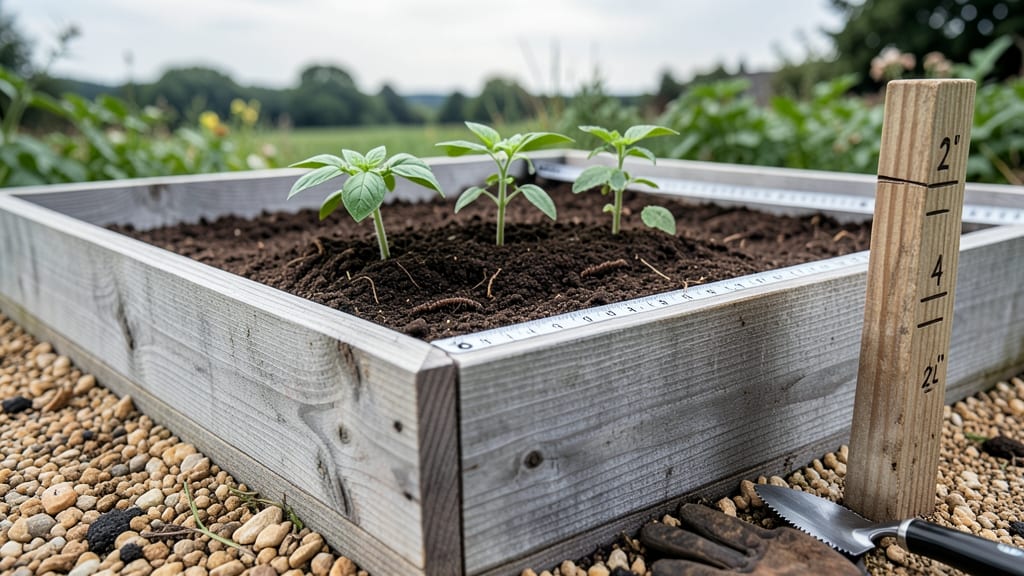
To determine how deep a raised garden bed needs to be, aim for 6 to 12 inches for most vegetables and herbs, while deeper-rooted plants like tomatoes or carrots require 12 to 18 inches of soil. Proper depth ensures strong root systems and better nutrient access.
A raised garden bed's depth isn't just about fitting plants—it's about creating the right environment for their roots to spread and access nutrients. 🌱 Shallow-rooted greens like lettuce or spinach thrive in just 6 inches, while fruit trees need 24 inches or more.
The key is matching the bed's height to your plants' needs, especially if you're growing a mix of crops. I always add extra depth when I know I'll be planting root vegetables or perennials, as they reward you with bigger harvests over time.
Beyond depth, consider how you build the bed. Layering compost and topsoil creates a looser, more fertile growing space that roots love. Avoid compacting the soil during construction—this can limit root growth later.
For drainage, I recommend adding a 2-inch layer of gravel at the bottom, especially in areas with heavy rainfall. This simple step prevents waterlogging, which can suffocate roots and lead to rot.
💡 In This Article
- Root Depth Requirements for Different Plants
- Building the Perfect Raised Garden Bed for Drainage and Soil Quality
Root depth requirements for different plants
Root systems vary dramatically between plant types, and understanding these differences helps you design the perfect raised bed. Shallow-rooted vegetables like lettuce, spinach, and radishes only need 4 to 6 inches of soil to thrive, as their roots spread horizontally rather than deep.
These leafy greens focus on rapid growth above ground, so their roots stay close to the surface where moisture and nutrients are most abundant. 🌱 In contrast, root vegetables like carrots and beets require 12 to 18 inches to develop their edible storage roots, which grow downward to access deeper water and nutrients.
The depth requirements for fruiting plants can be just as specific. Tomatoes, for example, develop strong taproots that need 18 to 24 inches of soil to support their heavy foliage and fruit production. Without enough depth, tomato plants become top-heavy and prone to falling over.
Herbs like basil and cilantro have shallow roots (typically 6 to 12 inches), but perennials like asparagus or rhubarb need 12 to 18 inches because their crowns must establish deep root systems that persist year after year.
The deeper the bed, the more stable these perennial plants become, reducing the risk of uprooting during wind or heavy rains.
What's fascinating is how root depth affects nutrient absorption. Plants with deeper roots can access nutrients like phosphorus and potassium that leach deeper into the soil profile, while shallow-rooted plants rely on the topsoil layer.
This is why a well-layered raised bed with rich compost in the upper layers benefits both types of plants—shallow-rooted crops get immediate access to nutrients, while deeper-rooted plants can gradually explore the full depth.
For instance, a 12-inch-deep bed might work for a mix of lettuce and carrots, but if you add tomatoes, you'll need to extend it to 18 inches to prevent stunted growth.
Consider the texture of your soil too. Sandy soils drain quickly but may not hold enough moisture for deep-rooted plants, while clay soils can become waterlogged, suffocating roots.
Raised beds give you control over soil composition by allowing you to mix in organic matter like compost or aged manure, which improves both drainage and nutrient retention.
For example, adding a 2-inch layer of coarse sand at the bottom of the bed can improve drainage for moisture-sensitive plants like potatoes, while a 4-inch layer of compost in the middle provides a nutrient-rich zone for root vegetables.
One common mistake is assuming all plants have similar depth needs. For instance, strawberries produce shallow roots but send out runners that need space to spread horizontally, while blueberries require acidic, well-draining soil that's typically 12 inches deep.
When planning your raised bed, group plants with similar depth requirements together. This approach maximizes space efficiency and ensures each plant gets the ideal growing conditions.
For example, a 6-inch-deep bed could host a mix of herbs and salad greens, while a 12-inch-deep bed could accommodate carrots, beets, and bush beans.
Pro tip: If you're growing a mix of plants with varying depth needs, consider building a tiered raised bed or using separate smaller beds. This way, you can tailor the depth to each plant's requirements without compromising growth.
For example, a 6-inch-deep section for lettuce and a 12-inch-deep section for carrots in the same bed can coexist if they're separated by a divider. This flexibility is one of the biggest advantages of raised gardening! 🌿