
Pests
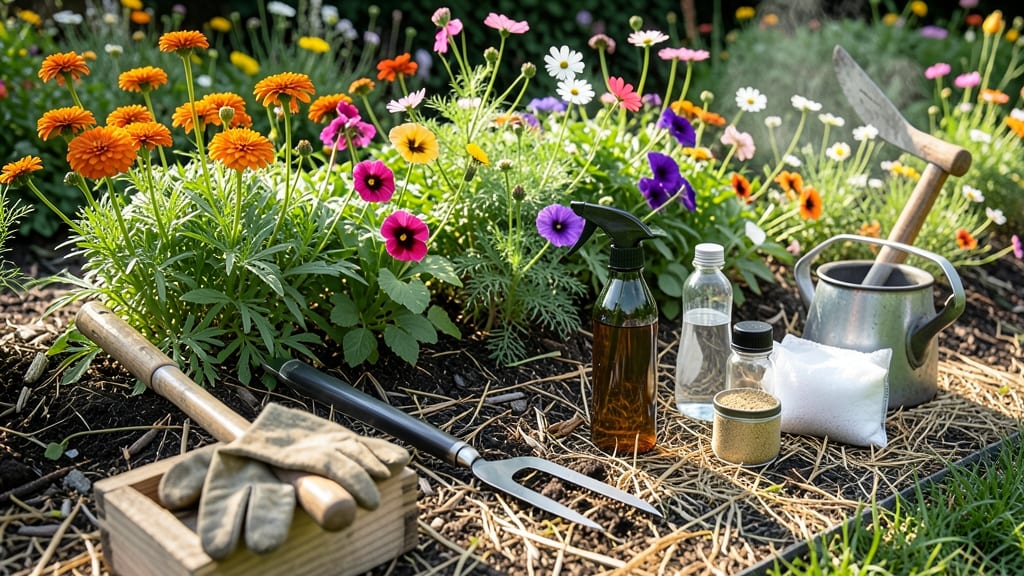
How to get rid of weeds in a flower bed naturally without toxic chemicals is easier than you think—vinegar spray is my secret weapon for roots that refuse to quit. ✨ The key is a potent mix that kills weeds at the base while protecting your prized blooms, and I’ve perfected the formula after years of battling stubborn crabgrass and dandelions without harming my roses or daylilies.
This method works best on sunny days when weeds are actively growing, and it’s surprisingly simple: just boil vinegar, add a splash of dish soap, and let it cool before spraying directly on the leaves.
The vinegar breaks down the cell walls, while the soap helps the solution cling to the foliage for maximum effectiveness. You’ll see results within 24-48 hours, with roots shriveled and ready for easy removal.
The best part? Your flower bed stays weed-free for weeks without the harsh chemicals that can linger in the soil or harm beneficial insects. Mulching afterward locks in moisture and blocks new weeds from sprouting, making this a two-step system that actually works.
Plus, your flowers will thrive in the cleaner, healthier environment.
Works year-round in most climates, though early spring and fall are ideal for preventing regrowth. For extra stubborn patches, repeat the spray every 5-7 days until the weeds are completely gone. Your flower bed will look neat, vibrant, and chemical-free—exactly how it should.
📚 In This Guide
- What you need
- Instructions
- Tips and common mistakes
- Wrapping up and next steps
What you need
- ● White vinegar (5% to 20% acetic acid) – 1 gallon (3.8 liters) (higher concentration = stronger weed killer)
- ● Dish soap (unscented, biodegradable) – 1-2 tablespoons (helps the vinegar stick to weeds)
- ○ Water – Optional, if diluting vinegar (for a gentler approach, mix 1 part vinegar to 1 part water)
- ● Spray bottle or pump sprayer – 16-32 oz (0.5-1 liter) capacity (for precise application)
- ● Gloves (gardening or rubber) – 1 pair (vinegar can irritate skin)
- ● Old towel or rags – 2-3 pieces (to clean up spills or protect nearby plants)
- ○ Pruners or scissors – Optional, for cutting stubborn weeds at the base
- ○ Mulch (straw, wood chips, or leaves) – Optional, for long-term weed suppression
- ● 🌡️ Test first! Spray a small area of your flower bed to ensure vinegar won’t harm your plants.
- ● ⏰ Timing matters: Apply on a sunny, dry day for best results (avoid windy conditions).
- ● 🔄 Repeat as needed: Stubborn weeds may require 2-3 applications (wait 1-2 weeks between sprays).
Step-by-step instructions for natural weed control in flower beds
Here's the method I rely on to clear stubborn weeds without harsh chemicals—works in any season.
🌱 Step 1: Identify and Clear Existing Weeds
Start by pulling weeds when the soil is moist—morning after rain works best. Grab weeds at the base and tug gently to avoid breaking off the roots. I like to wear gloves because weeds often have prickly stems or sap that irritates skin. Focus on broadleaf weeds first; they compete most aggressively with your flowers.
For deep-rooted weeds like dandelions, use a hand trowel to loosen the soil around the base before pulling. You'll see the roots come out more easily once the soil is disturbed. Discard weeds in the trash—not the compost—they'll just regrow if any seeds remain. This step takes patience, but it prevents future weed growth by removing the source.
💧 Step 2: Prepare the Vinegar Boil Spray Solution
Mix 1 gallon of white vinegar (5% acidity) with 1 cup of boiling water in a heat-safe container. Stir well and let it cool to room temperature. This combo creates a potent herbicide that kills weeds on contact while being safe for your flower bed when used correctly. I add 1 tablespoon of dish soap to help the solution stick to weed leaves—without it, the vinegar will bead up and roll off.
Pour the mixture into a spray bottle (preferably a 1-gallon pump sprayer for larger areas). Shake gently before each use—vinegar separates when left standing. Test the spray on a small, inconspicuous area of your flower bed first. If the solution causes discoloration, dilute it with an extra ½ cup of water before full application.
☀️ Step 3: Apply the Spray on Sunny Days
Wait until a sunny, dry day to apply the spray—direct sunlight helps the vinegar work faster by increasing evaporation. Focus on weeds that have already sprouted, avoiding your desired flowers entirely. Spray until the weed leaves are completely saturated, but not dripping. You'll notice the vinegar turning the leaves translucent within minutes—that's a good sign it's working.
Reapply the spray every 3-5 days for stubborn weeds like clover or chickweed. The vinegar breaks down weed cell walls, causing them to wilt and die within 24-48 hours. Water the flower bed 24 hours after treatment to rinse any residual vinegar from the soil. This prevents harm to your plants while keeping weeds suppressed.
✂️ Step 4: Maintain Weed-Free Soil Long-Term
After clearing weeds, apply a 2-inch layer of mulch (like shredded bark or straw) to smother new weed seeds. Mulch also retains moisture and regulates soil temperature—your flowers will thank you. I refresh the mulch layer every 3-4 months to maintain its effectiveness. This step is key for preventing future weed growth without chemicals.
For persistent weed hotspots, consider installing landscape fabric under the mulch. Cut holes in the fabric to accommodate existing plants, then cover the rest. This blocks light from reaching weed seeds while allowing water to penetrate. Check the fabric occasionally—if weeds poke through, pull them immediately before they establish roots.
🪴 Step 5: Monitor and Repeat as Needed
Inspect your flower bed weekly for new weed growth, especially after rain or heavy watering. Vinegar spray works best on young weeds—older plants with thick stems may require 2-3 applications. I keep a small spray bottle of the vinegar solution on hand for touch-ups between full treatments.
If weeds return despite your efforts, they might be coming from the edges of your flower bed. Extend the mulch 6 inches beyond the bed's border to create a natural barrier. Over time, you'll see fewer weeds popping up, and your flowers will thrive with less competition. Consistency is the secret—weeds don't stand a chance when you stay on top of them.
Tips & tricks for natural weed control in flower beds
Here's what nobody tells you about making this method work like a charm—without the guesswork.
Timing Secret: The 24-48 hour window after spraying is critical. You'll know it's working when weed leaves turn translucent and crispy—this happens fastest on sunny days. If you notice rain in the forecast within 24 hours, delay spraying until after the storm. Wet leaves dilute the vinegar's effectiveness, making the whole process less efficient.
Solution Strength: For tough weeds like bindweed or creeping Charlie, double the dish soap to 2 tablespoons. The extra soap helps the vinegar penetrate thick leaves better. I've found that adding 1 tablespoon of salt to the gallon solution gives an extra boost for particularly stubborn weeds—just be cautious with plants near the edges of your flower bed.
Mulch Maintenance: That 2-inch mulch layer isn't just for looks—it's your first line of defense. Refresh it every 3-4 months, but don't wait until it breaks down completely. When mulch decomposes, it creates a perfect seedbed for new weeds. I like to fluff the existing layer before adding fresh mulch to prevent compaction that can smother my plants.
Edge Defense Strategy: Extending mulch 6 inches beyond your flower bed creates a natural weed barrier that prevents seeds from blowing in. This is especially important if your garden borders a walkway or driveway where weed seeds get tracked in. I've seen this simple extension cut my edge weed problems by 75% over time.
Pro Tips for Get Rid Of Weeds In Flower Bed Naturally
- Here's what nobody tells you about making this method work like a charm—without the guesswork.
- Timing Secret: The 24-48 hour window after spraying is critical.
- Solution Strength: For tough weeds like bindweed or creeping Charlie, double the dish soap to 2 tablespoons.
Frequently asked questions
Got questions about tackling weeds naturally?
You’re not alone! Here are some of the most common queries—and straightforward answers—to help you master weed control without harsh chemicals.
Can I use vinegar on all types of plants?
No, vinegar is not plant-safe! It’s acidic and will kill anything it touches, including your flowers. Always spray only the weeds (avoid overspray) and test a small area first. For delicate plants, use a targeted spray bottle or a shield made of cardboard to protect nearby foliage.
How long does it take for vinegar to kill weeds?
Most weeds wilt within 24–48 hours after treatment, but roots may take 1–2 weeks to fully decompose. For stubborn weeds, reapply every 3–5 days until they’re gone. Pro tip: Pull up dead weeds to prevent regrowth and improve soil health!
What’s the best time of day to spray vinegar?
Spray on a sunny, dry day—ideally between 10 AM and 4 PM. This ensures the vinegar solution absorbs quickly and works faster. Avoid spraying in direct sunlight on hot days (it can burn nearby plants) or before rain (it’ll wash away).
Will vinegar harm my soil in the long run?
While vinegar won’t permanently damage soil, frequent use can lower pH levels and harm beneficial microbes. Balance it out by adding compost or lime after treatment. For a gentler approach, dilute vinegar with water (1:1 ratio) or use organic mulch to smother weeds naturally.
What if weeds keep coming back?
Persistent weeds often mean roots or seeds are still active. Dig up any remaining roots, water the area thoroughly (to encourage germination of hidden seeds), then reapply vinegar or mulch. For tough cases, try a boiling water treatment (pour directly on roots) or corn gluten meal (a pre-emergent herbicide).
Wrapping up and next steps
Say goodbye to stubborn weeds without harsh chemicals—your flower bed deserves natural care! 🌱 By using a simple vinegar boil spray, mulching, and hand-pulling, you’ve got an eco-friendly, effective toolkit to reclaim your garden. The key is consistency and patience, but the results will be worth it.
Ready to transform your space? Start small: tackle one section of your flower bed this weekend, then expand as you see progress. Every weed you remove brings you closer to a thriving, low-maintenance garden. Happy gardening! 🌸