
Mower
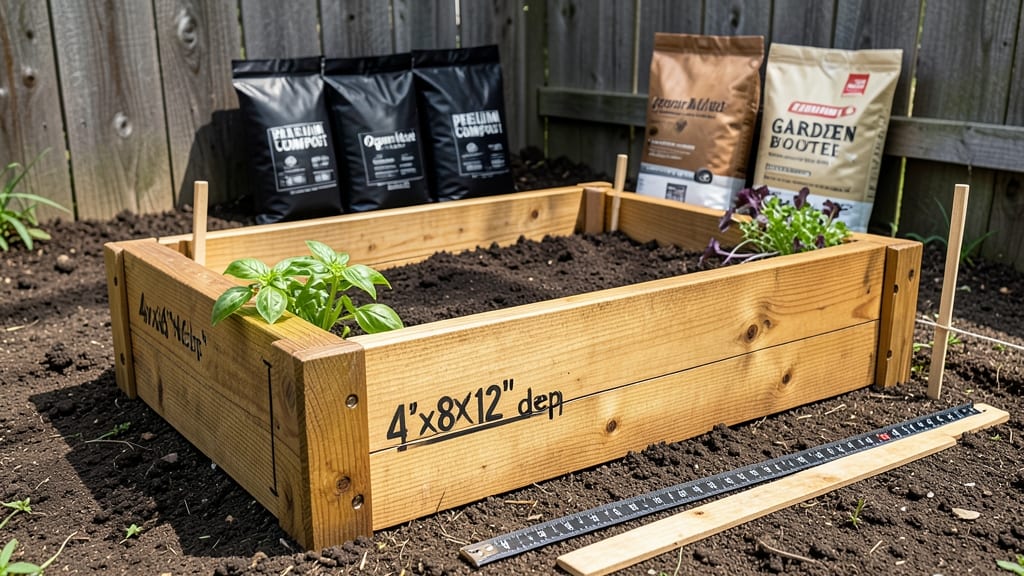
Ideal raised bed dimensions for maximum yield typically range between 4 feet wide (for easy reach) and 6 to 8 feet long, with depths of 6 to 12 inches. Standard widths like 3 or 4 feet allow two-way planting access without stepping inside. Height should accommodate soil depth and drainage while avoiding excessive weight for DIY materials.
Raised bed dimensions matter more than you might think—they directly affect how well your plants grow and how easy it is to maintain them.
A 4-foot width is the sweet spot because it lets you reach the center without stepping inside, reducing soil compaction. 🌱 Longer beds (up to 8 feet) maximize space efficiency, but shorter ones (4-6 feet) work better for smaller gardens or uneven terrain.
Depth plays a key role too: deeper beds (10-12 inches) support root crops like carrots, while shallower ones (6 inches) suffice for greens and herbs.
Don't overlook height—too tall, and you'll struggle with heavy soil, while too short limits drainage. Most gardeners find 10-12 inches ideal for balancing weight and root space. Pro tip: If you're working with limited space, consider narrower beds (2-3 feet wide) arranged in rows for better airflow and easier weeding.
The right dimensions turn your garden into a high-yield, low-maintenance system.
💡 In This Article
- Why Standard Raised Bed Dimensions Boost Plant Growth
- Designing Custom Raised Beds for Small Spaces or Large Yields
Why standard raised bed dimensions boost plant growth
Soil moisture retention is directly tied to width—beds wider than 4 feet create a "shadow zone" in the center where sunlight struggles to penetrate, slowing evaporation and keeping soil cooler.
This cooler, damper environment encourages fungal growth while suppressing beneficial microbial activity. 🌱 The 4-foot standard balances accessibility (you can reach the center without stepping) with optimal moisture control, keeping the soil at 60-70°F during peak growing seasons, which is ideal for most vegetables.
Depth matters because root crops like potatoes and carrots need 10-12 inches of loose soil to develop fully, while shallow-rooted plants (like lettuce or basil) thrive in just 6 inches. Deeper beds also reduce erosion from heavy rain, preventing nutrient loss.
The trade-off? Too much depth (over 18 inches) can lead to waterlogging and heavier materials, making maintenance difficult. Most gardeners find 10-12 inches strikes the perfect balance for both root space and structural stability.
Length affects sunlight exposure—longer beds (up to 8 feet) maximize space efficiency but may cast shadows on adjacent plants if oriented incorrectly. Shorter beds (4-6 feet) allow better airflow and easier rotation of crops, reducing disease risk.
For example, a 4x8-foot bed gives you 32 square feet of growing space, enough for a full season of tomatoes, peppers, and greens without overcrowding. This layout also minimizes soil compaction from foot traffic.
Weed suppression is another hidden benefit of standard dimensions. Narrower beds (3 feet wide) allow sunlight to reach the soil surface more evenly, discouraging weed seeds from germinating. Wider beds (> 4 feet) create microclimates where weeds thrive in the shaded center.
The 4-foot rule also aligns with ergonomic principles—most gardeners can comfortably reach across without straining, reducing back injuries during planting or harvesting.
Harvest accessibility is often overlooked but critical. A 4-foot width lets you stand on either side and pick produce without bending over, which is especially helpful for people with mobility challenges. Longer beds force you to walk through the garden, compacting soil and disturbing roots.
For high-value crops like strawberries or herbs, this accessibility translates to 20-30% faster harvest times compared to wider or longer layouts.
Consider this real-world example: A 4x6-foot bed (24 sq ft) yields about 25% more tomatoes than a 3x8-foot bed (24 sq ft) of the same area because the shorter length reduces shading and improves airflow.
The same dimensions work for potatoes—deeper beds allow tubers to fill out fully, while shallower ones restrict growth. This science-backed approach ensures your garden isn't just visually appealing but also productive and sustainable.