
How To
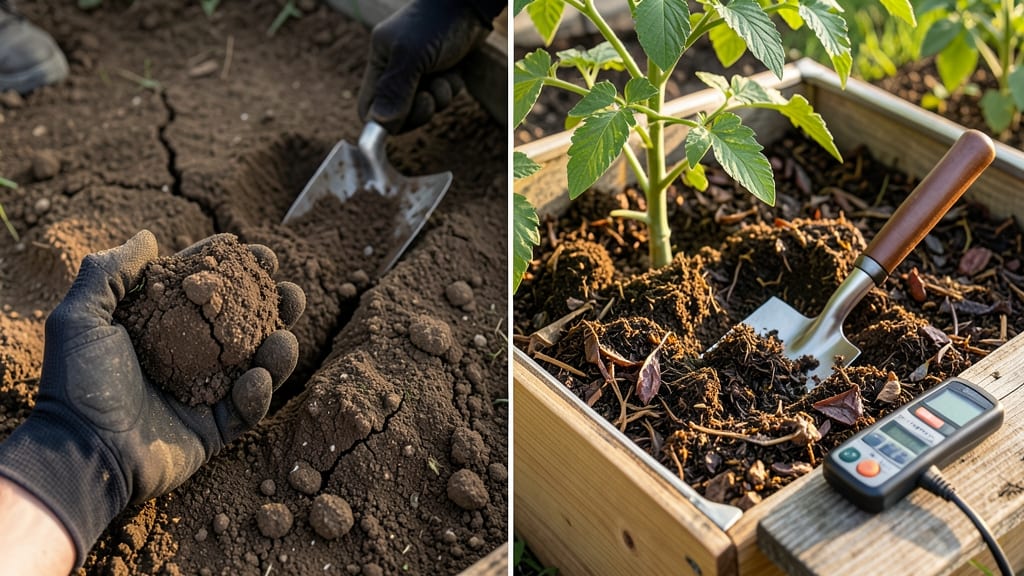
Your plants' growth depends more on soil than you think. 🌱 In-ground soil and raised bed soil aren't just dirt—they're entirely different ecosystems with unique strengths. One holds moisture like a sponge, while the other warms faster in spring but dries out quicker.
I've tested both in my own garden, and the right choice depends on what you're growing and how much work you're willing to put in.
The native soil in your yard might seem perfect at first glance, but it often needs amendments to provide the right nutrients and drainage. Raised beds, on the other hand, let you create a custom soil mix from scratch—think of it as building a nutrient-rich layer cake for your plants.
My tomatoes and peppers thrive in raised beds because I can control the soil composition, but my asparagus and rhubarb prefer the deep, cool roots of in-ground planting.
You'll notice faster results in raised beds for plants that need consistent moisture and warmth, like lettuce and strawberries. But for perennials and deep-rooted vegetables, in-ground soil offers stability and space to grow.
The key is understanding which environment matches your plants' natural preferences—and then giving them the perfect foundation to flourish.
Whether you're a first-time gardener or a seasoned pro, this comparison will help you decide which soil setup gives your plants the best shot at thriving. Let's dig into the details!
The first option explained
Option A: In-Ground Soil 🌱🌍
In-ground soil is the classic choice for gardeners who want a natural, low-maintenance, and cost-effective growing environment. This method involves planting directly into the earth’s natural soil, leveraging its existing structure, nutrients, and microbial life. Here’s a deeper look at why it’s a favorite for many:
Key Characteristics
- Natural Composition: In-ground soil is a mix of minerals, organic matter, and microorganisms that evolve over time, creating a self-sustaining ecosystem.
- Depth & Space: Offers unlimited depth for root systems, ideal for deep-rooted plants like trees, shrubs, and perennial vegetables.
- Temperature Regulation: The earth naturally insulates roots, protecting them from extreme temperature fluctuations.
- Water Retention: Clay or loamy soils can hold moisture longer, reducing the need for frequent watering.
Benefits
- Cost-Effective: No need to purchase or construct raised beds—just amend what’s already there!
- Eco-Friendly: Reduces waste by utilizing existing resources and supports local biodiversity.
- Ideal for Large-Scale Planting: Perfect for lawns, orchards, or vegetable gardens where space isn’t a constraint.
- Natural Soil Improvement: Over time, composting and mulching can enhance soil quality organically.
Typical Use Cases
In-ground soil shines in scenarios where:
- You have ample space (e.g., backyard gardens, farms, or rural properties).
- You’re growing perennial plants (e.g., fruit trees, berry bushes, or asparagus).
- You prefer a low-maintenance approach with long-term soil investment.
- Your climate allows for year-round gardening with minimal frost or water concerns.
💡 Pro Tip: Before planting, test your soil’s pH and nutrient levels. Amending with compost or organic matter can give your plants a nutritional boost right from the start!
The second option explained
Option B: Raised Bed Soil – The Premium Garden Playground 🌱✨
If you're dreaming of a highly customizable, low-maintenance, and nutrient-rich growing space, raised bed soil is your golden ticket! Unlike in-ground soil, raised beds offer complete control over soil composition, drainage, and aeration—making them a favorite among urban gardeners, vegetable enthusiasts, and plant perfectionists.
🔍 Key Characteristics
- Custom Soil Mix: Build your own blend of compost, topsoil, peat moss, and organic matter for optimal plant-specific needs.
- Superior Drainage: Prevents waterlogging and root rot by allowing excess moisture to escape quickly.
- Warmer Soil: Heats up faster in spring, giving plants a head start (🌡️ 2-4°F warmer than in-ground soil!).
- Weed & Pest Control: Elevated edges deter weeds, and fewer soil-borne pests thrive in well-maintained beds.
- Longer Growing Season: Extend harvests by insulating roots in cooler months.
🌟 Top Benefits
Raised beds are the Swiss Army knife of gardening—versatile, efficient, and adaptable to nearly any space or climate. Here’s why gardeners obsess over them:
- ✅ No Compaction: Roots grow freely without the weight of foot traffic or machinery.
- ✅ Higher Yields: Plants thrive with consistent moisture and nutrients, leading to bigger, healthier harvests.
- ✅ Accessibility: Perfect for those with mobility challenges or small spaces (think balconies or patios!).
- ✅ Erosion Prevention: Ideal for sloped or poor-quality land.
🍅 Typical Use Cases
Raised beds shine in these scenarios:
| Scenario | Why It Works |
|---|---|
| Urban Gardening | Maximizes small spaces with high productivity. |
| Vegetable & Herb Gardens | Custom soil mixes optimize growth for leafy greens, tomatoes, and peppers. |
| Flower Beds & Landscaping | Creates stunning, low-maintenance displays with vibrant blooms. |
| Organic Farming | Allows precise control over soil health and pesticide-free growing. |
| Cold Climates | Extends the growing season with insulated, well-draining soil. |
Pro Tip: 💡 For next-level results, layer your raised bed with cardboard (to block weeds) and compost (for slow-release nutrients) before adding your topsoil mix!
Key differences
Choosing between in-ground soil and raised bed soil can feel like picking between two superheroes—each has unique strengths that make them perfect for different gardening missions! 🌱 Let’s break down the key differences in a way that helps you decide which soil superstar aligns best with your garden goals.
🌍 Natural Composition & Soil Structure
In-ground soil is the original—nature’s own recipe! It’s typically a mix of clay, sand, silt, and organic matter, shaped over years (or centuries) by weather, decomposition, and local ecosystems.
This means it can vary wildly based on your location, from heavy, compacted clay (common in wetter climates) to light, sandy loam (often found in drier regions).
Raised bed soil, on the other hand, is custom-built for victory. You control the ingredients—often a blend of topsoil, compost, coconut coir, and amendments like perlite or vermiculite. This lets you create the perfect texture for drainage, aeration, and root growth, regardless of what’s already in your yard. 🏗️
💧 Drainage & Water Retention
In-ground soil can be a mixed bag when it comes to water. Clay-heavy soils hold moisture like a sponge but may suffocate roots if they don’t dry out.
Sandy soils, meanwhile, drain too quickly, leaving plants thirsty. Amending in-ground soil (with compost or organic matter) improves drainage over time, but it’s a slow process.
Raised beds win the drainage game by design. The elevated structure allows excess water to escape faster, reducing runoff and root rot. Plus, you can tweak the soil mix to retain just the right amount of moisture—ideal for plants like tomatoes or peppers that hate soggy feet. 💦
🌡️ Temperature & Insulation
In-ground soil stays cooler in summer and warmer in winter thanks to the earth’s natural insulation. This can be a pro for heat-loving crops in hot climates but a con if you’re trying to grow warm-season plants early in spring.
Raised beds heat up and cool down faster than in-ground soil. While this might seem like a downside, it’s actually a gift for early planting—you can start seeds weeks before the last frost! Just add a layer of mulch to protect tender roots from late frosts. ❄️☀️
🐛 Pest & Weed Control
In-ground gardens are open season for weeds and pests. Weeds compete for nutrients, and critters like slugs or grubs can wreak havoc without intervention. While crop rotation and organic pesticides help, prevention is an ongoing battle.
Raised beds naturally deter many pests—fewer burrowing insects (like grubs) and easier access to remove weeds before they spread. Plus, the elevated design keeps some critters (like rabbits) from digging up your plants. For extra defense, add row covers or companion plants like marigolds. 🐞🚫
💰 Cost & Maintenance
In-ground soil is the budget-friendly champion. No materials to buy—just what’s already in your yard! However, it may require amendments (compost, manure, or fertilizer) to boost fertility, especially if your native soil is poor.
Raised beds cost more upfront—you’ll invest in wood, soil mix, and sometimes irrigation systems. But they pay off long-term with less weeding, better yields, and fewer amendments once established. Think of it as a low-maintenance luxury for your plants! 💸🌿
🌱 Plant Suitability & Yield Potential
In-ground soil is ideal for large-scale planting (like potatoes, corn, or sprawling veggies) and perennial crops (fruits, berries, or asparagus). Deep-rooted plants thrive here because they can spread out naturally.
Raised beds shine with compact, high-yield crops like lettuce, herbs, strawberries, and bush beans. The shallow but rich soil promotes faster growth and easier harvesting. Plus, you can rotate crops yearly to prevent soil depletion—great for intensive gardening! 🍓🥕
When to choose which
Choosing between in-ground soil and raised bed soil depends on your gardening goals, climate, and available resources. Here’s when each option shines:
🌱 Go In-Ground When...
- You have deep, fertile soil: If your yard already boasts nutrient-rich, well-draining soil, in-ground planting is cost-effective and low-maintenance. Perfect for perennials, trees, and deep-rooted veggies like carrots or asparagus! 🥕
- You’re on a budget: No need to buy or build raised beds—just amend the existing soil with compost. Ideal for large-scale gardens or vegetable patches. 💰
- Climate is mild: In-ground soil retains moisture better in cooler climates, reducing the need for frequent watering. Great for regions with consistent rainfall or moderate temperatures.
- You love low-tech gardening: No frames, no edges—just dig, plant, and enjoy! Best for experienced gardeners who prefer hands-off care.
🏡 Choose Raised Beds When...
- Your soil is poor or compacted: Raised beds let you create a custom soil mix tailored to your plants’ needs—no fighting clay or rocky ground! 🚫🪨 Ideal for urban gardens or areas with heavy foot traffic.
- You want better drainage: Sandy or waterlogged soil? Raised beds improve airflow and prevent root rot, making them a lifesaver for plants like herbs or strawberries. 💧
- You’re dealing with pests or weeds: Elevated beds reduce soil-borne diseases and make it harder for critters to dig in. Plus, fewer weeds mean less work! 🐛🚫
- You garden in small spaces or urban areas: Raised beds maximize vertical growth and work perfectly for balconies, patios, or tiny yards. 🏙️🌿
- You want warmer soil faster: Raised beds heat up quicker in spring, giving you an earlier start for cool-season crops like lettuce or peas. ⏳🌱
Pro Tip: 💡 Need a middle ground? Try lasagna gardening—layering organic materials over in-ground soil to boost fertility without full raised beds!
The bottom line
Choosing between in-ground soil and raised bed soil boils down to your garden’s needs—and your patience! 🌱 In-ground soil offers natural stability and deep nutrient reserves but may struggle with drainage or compaction.
Raised beds, on the other hand, give you total control over soil quality, warmth, and aeration, making them ideal for faster growth and higher yields.
Need low-maintenance? Try in-ground. Want precision and flexibility? Go raised. Either way, amend wisely—whether with compost, peat moss, or organic matter—to unlock the full potential of your soil! 💡
Quick Decision Guide:
- In-Ground: Best for established gardens with existing soil health.
- Raised Beds: Perfect for urban spaces, poor soil, or heavy crops.