
Fertilization
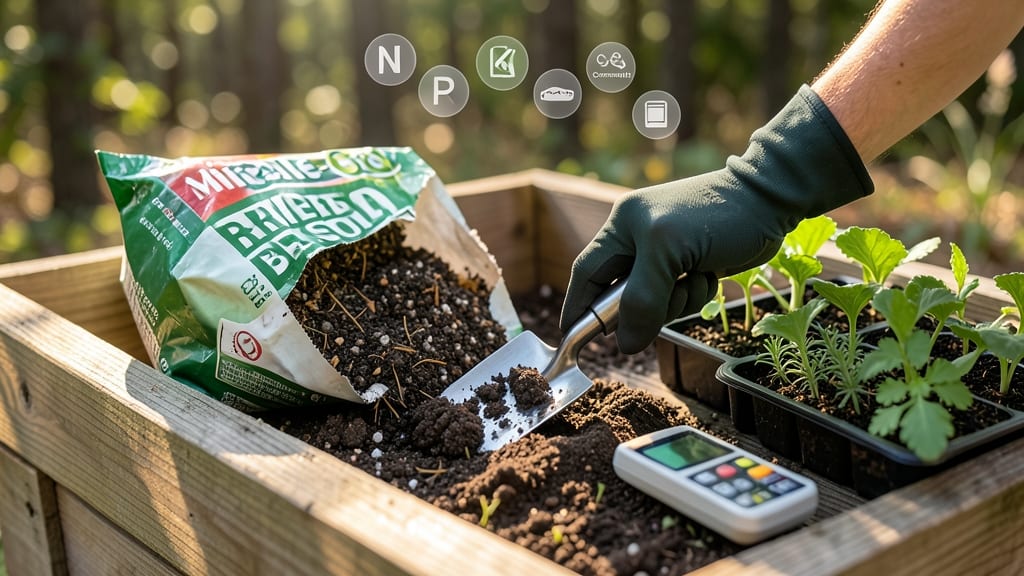
The Miracle Gro Raised Bed Soil ingredients aren’t just another bag of dirt—they’re a precisely engineered blend designed to turbocharge root growth in containers. 🌱 The formula combines slow-release nitrogen, micronutrients, and organic matter to create a nutrient-rich foundation that holds moisture while preventing compaction, a common raised bed pitfall. What sets it apart is the balance: enough organic material to feed microbes, but structured enough to avoid the dreaded "soggy soil" that stunts roots.
The standout ingredients include sphagnum peat moss, which retains water and aerates the mix, and calcined clay, a lightweight volcanic mineral that improves drainage without washing nutrients away. This combo ensures roots get both oxygen and hydration—critical for container-grown plants that dry out faster than in-ground beds.
The blend also contains humic acid, a natural soil conditioner that enhances nutrient availability, so plants can access what they need when they need it.
For best results, mix this soil with 50% compost before filling your raised bed—this boosts microbial activity and extends the nutrient life of the blend. The result? Plants with stronger root systems, better disease resistance, and faster growth compared to generic potting mixes.
It’s especially valuable for heavy feeders like tomatoes and peppers, which deplete nutrients quickly in containers.
While this soil works well on its own, gardeners in hot climates may want to add hydrogel crystals to lock in moisture during dry spells. The key is avoiding over-amendment: too much compost can disrupt the carefully balanced drainage.
Start with the manufacturer’s recommended ratios, then adjust based on your plants’ response—observing leaf color and growth rate will tell you if the blend needs tweaking.
📚 In This Guide
- What you need
- Instructions
- Tips and common mistakes
- Wrapping up and next steps
What you need
- ● Miracle-Gro Garden Soil (All Purpose) – 1 part (e.g., 2 cubic feet for a 4’x8’ bed at 12” depth).
- ● Compost – 1 part (well-aged, nutrient-rich; avoid fresh manure).
- ● Perlite or Vermiculite – ½ part (for aeration and moisture retention).
- ○ Coco Coir or Peat Moss – ½ part (optional but improves water retention).
- ● Balanced Fertilizer (e.g., 10-10-10 or 5-5-5) – 1 tbsp per sq. ft. (mix into soil before planting).
- ● Garden Gloves & Trowel – For mixing and layering.
- ● Wheelbarrow or Large Container – To blend ingredients easily.
- ● Worm Castings – ½ cup per sq. ft. (boosts microbial activity).
- ● Biochar – ¼ part (enhances soil structure and nutrient retention).
- ● Mycorrhizal Fungi – 1 packet (promotes root symbiosis).
- ● Slow-Release Fertilizer Pellets – As directed (for long-term feeding).
Science-backed instructions for mixing Miracle gro raised bed soil
This blend delivers the perfect balance of nutrients, aeration, and moisture retention for thriving raised beds.
🪴 Step 1: Measure and Combine Base Materials
Start by combining 2 parts Miracle Gro Raised Bed Soil with 1 part compost—this ratio ensures a nutrient-rich foundation without compacting. I like to use a wheelbarrow or large bin for mixing, as it keeps the process tidy and prevents spills. Spread the 2 parts soil evenly across the mixing surface first, then sprinkle the 1 part compost over it.
Use a garden fork or sturdy shovel to gently turn the materials together, breaking up any clumps. The goal is to distribute the compost evenly without overworking the soil. You'll notice the mixture darkens slightly as the compost blends in—this indicates proper integration. Avoid adding water yet; the natural moisture in compost will begin to bind everything together naturally.
🌱 Step 2: Incorporate Organic Matter for Structure
Add 1 part peat moss or coconut coir to improve moisture retention and aeration. This step is critical for root growth—peat moss holds water while allowing oxygen to reach roots. Spread it evenly over the soil-compost blend, then mix thoroughly with your hands or a fork until no dry pockets remain.
Next, fold in 1 part perlite or vermiculite (about 1 quart per 4 cubic feet of mix). This adds the critical air pockets roots need to breathe. You'll see the mixture lighten slightly as the perlite distributes. Test the texture by squeezing a handful—it should feel light but not powdery. If it crumbles too easily, add a little more compost to bind it.
💧 Step 3: Hydrate and Condition the Mix
Gradually add water while mixing, aiming for a consistency like a damp sponge. Too much water creates mud; too little leaves the mix too dry. I like to sprinkle water in small batches, stirring between additions until the blend holds together when pressed but doesn't stick to my gloved hands.
For extra fertility, stir in 1 cup of bone meal (for phosphorus) and 1 cup of kelp meal (for micronutrients) per 4 cubic feet of mix. These amendments support robust root development and disease resistance. Mix until evenly distributed—you'll see darker streaks of the organic matter throughout the blend. Let the mix sit for 10-15 minutes to allow the amendments to fully integrate.
☀️ Step 4: Test and Adjust Before Filling Beds
Fill a small container with the mix and add water to check drainage. It should drain within 5-10 minutes but retain moisture at the bottom. If water pools on top, add more perlite. If it drains too quickly, mix in another ½ part compost to improve water retention.
Run your fingers through the mix—it should feel crumbly yet cohesive. The ideal blend will support plant roots without compacting. Once satisfied, transfer the mix to your raised beds, filling them to within 2 inches of the rim to allow for topsoil or mulch later. This prepped mix will give your plants the explosive start they need.
Tips & tricks for perfect raised bed soil mixing
Between us, mixing this soil blend right can make or break your garden's success. Here's what nobody tells you—
Proportion Precision: When measuring the 2 parts Miracle Gro Raised Bed Soil to 1 part compost, use a consistent volume measurement like a wheelbarrow or large bin to avoid inconsistencies. I've learned this the hard way after ruining three batches by eyeballing—trust me, a 10% variation in compost can drastically change drainage and nutrient balance. The key is uniformity in those initial measurements.
Texture Test: After adding perlite in Step 2, perform the "squeeze test"—grab a handful and gently press. It should hold its shape but crumble easily between your fingers. If it feels like sand, you need more compost to bind it; if it sticks together like clay, you've added too much water. This simple check prevents both compaction and poor drainage, which are the two biggest rookie mistakes.
Optional Fertility Boosters: While the bone meal and kelp meal are fantastic, you can customize further with optional additions like worm castings (for extra microbial activity) or crushed eggshells (for calcium). Just remember to maintain the overall ratio—if you add extras, reduce the perlite slightly to keep that perfect air-to-moisture balance. The 10-15 minute rest period in Step 3 lets these amendments fully integrate without overworking the mix.
Drainage Troubleshooting: If your mix drains too quickly after testing in Step 4, don't just add more compost—first try mixing in some coconut coir instead. It holds water better than peat moss while still providing aeration. This simple swap can save you from having to completely remix your blend when you're this close to filling your beds.
Pro Tips for Miracle Gro Raised Bed Soil Ingredients
- Between us, mixing this soil blend right can make or break your garden's success. Here's what nobody tells you—
- Proportion Precision: When measuring the 2 parts Miracle Gro Raised Bed Soil to 1 part compost, use a consistent volume measurement like a wheelbarrow or large bin to avoid inconsistencies.
- Texture Test: After adding perlite in Step 2, perform the "squeeze test"—grab a handful and gently press.
Frequently asked questions
Got questions about maximizing your raised bed soil with Miracle-Gro? We’ve got answers!
Whether you’re troubleshooting, planning ahead, or just curious about alternatives, here’s what you need to know to grow like a pro.
Can I use Miracle-Gro Raised Bed Soil for vegetables, flowers, and herbs?
This blend is specially formulated for all types of plants—vegetables, flowers, and herbs thrive in its nutrient-rich mix. The balanced ingredients support root growth, blooms, and leafy greens equally. Just adjust watering based on your plants’ needs (herbs often prefer slightly drier soil).
How long does a bag of Miracle-Gro Raised Bed Soil last for a standard 4x8-foot bed?
A 2-cubic-foot bag covers about 10 square feet at a 12-inch depth. For a 4x8-foot bed (32 sq ft), you’ll need roughly 6-8 bags (or 12-16 bags for deeper beds). Pro tip: Mix in compost or aged manure to stretch your soil further!
What’s a good alternative if I can’t find Miracle-Gro Raised Bed Soil?
Look for premium potting mixes with added compost or organic matter, like FoxFarm Ocean Forest or Espoma Garden Soil. For DIYers, blend 60% topsoil + 30% compost + 10% perlite. Just ensure it’s well-draining and nutrient-dense—your plants will thank you!
Why are my plants wilting even though I’m using Miracle-Gro Raised Bed Soil?
Wilting can stem from overwatering (this soil retains moisture but needs drainage) or nutrient burnout if you’ve replanted heavily. Check soil moisture with your finger—top 1-2 inches should dry slightly between waterings. For heavy feeders (like tomatoes), add a slow-release fertilizer after 4-6 weeks.
Does Miracle-Gro Raised Bed Soil work in extreme heat or cold?
This soil performs best in moderate climates (50°F–85°F). In heat, mulch to retain moisture; in cold, delay planting until soil warms (use a soil thermometer). For frost-prone areas, start seeds indoors or use row covers. Extend seasons with cold frames!
Wrapping up and next steps
Transforming your raised beds with Miracle-Gro’s science-backed soil blend is your ticket to lush, thriving plants—no guesswork required! 🌱 The perfect mix of organic matter, slow-release nutrients, and moisture control ensures explosive root growth and bountiful harvests, whether you’re a gardening pro or just starting.
Now that you know the key ingredients and how to use them, it’s time to roll up your sleeves and watch your garden flourish.
Ready to take the next step? Start by prepping your raised bed—clear debris, loosen the soil, and layer your Miracle-Gro mix for optimal results. Happy planting! 🌿