
Tools
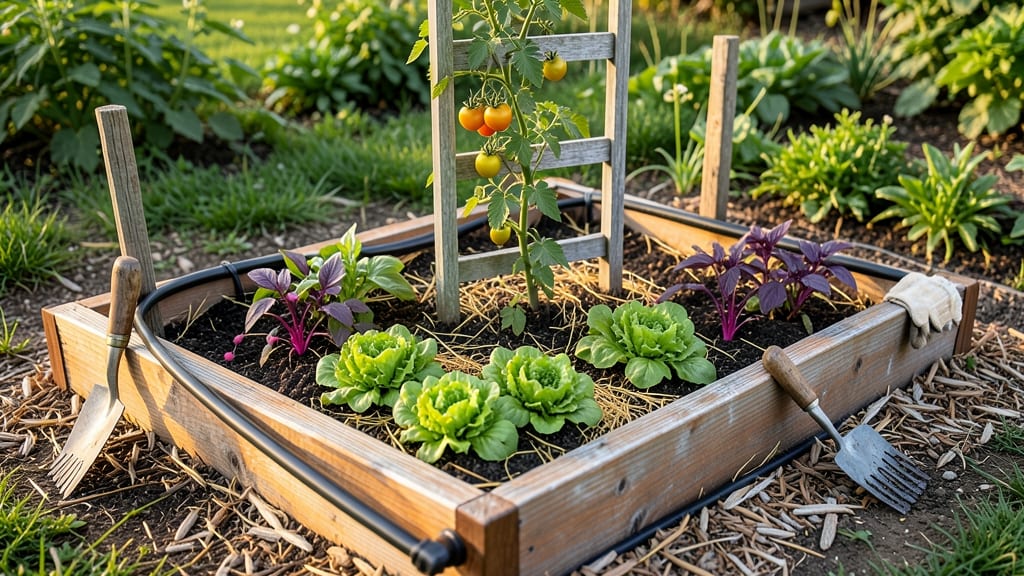
Creating outdoor raised garden bed ideas that fit your space and plants isn’t just smart—it’s a game-changer for your harvest.
Picture this: no more bending over, no more soil compaction, and plants that thrive with perfect spacing from day one. Modular height systems let you customize everything—from 12-inch herb beds to 36-inch tomato towers—without breaking the bank or your back.
Whether you’re working with a tiny balcony or a sprawling backyard, these designs solve real problems: drainage that won’t rot roots, soil you control (no more weeds or pests), and layouts that grow with you. No more guessing—just science-backed setups that deliver.
Below, I’ll walk you through the best materials, layouts, and space-saving tricks so you can build a system that works as hard as you do—and keeps your garden thriving for years.
Modular raised garden bed height systems: how to choose the best for your plants
Choosing the right height for your modular raised garden beds can transform your gardening experience. The ideal height depends on your plant types, climate zone, and personal needs like accessibility or drainage.
Most systems range from 12 inches to 36 inches, each offering unique benefits for different growing conditions.
For example, shallow-rooted plants like lettuce or herbs thrive in beds just 6-12 inches tall, while deep-rooted vegetables such as tomatoes or asparagus need beds that reach 24-36 inches to support their growth. The right height also impacts soil temperature, water retention, and even weed control.
In colder climates, taller beds (30+ inches) provide better insulation and warmer soil, while in warmer regions, slightly lower beds (12-18 inches) help retain moisture longer. Let's explore how to match your plants and climate to the perfect height system.
| Bed Height (inches) | Best For | Root Depth | Drainage | Accessibility | Climate Note |
|---|---|---|---|---|---|
| 12-18 | Herbs, lettuce, strawberries | Shallow (<6 inches) | Good (lightweight) | Easy for all ages | Best for warm climates |
| 18-24 | Carrots, radishes, bush beans | Moderate (6-12 inches) | Excellent (adjustable) | Comfortable for most | Versatile for most zones |
| 24-30 | Tomatoes, peppers, squash | Deep (12-18 inches) | Superior (deep soil) | Requires stooping | Ideal for cold climates |
| 30-36 | Asparagus, corn, large shrubs | Very deep (18+ inches) | Best (deepest soil) | Challenging for some | Best for frost-prone areas |
When selecting a height, consider your plant's mature size and growth habits. For instance, tomatoes need at least 24 inches of depth to support their extensive root systems, while basil or thyme can thrive in just 12 inches.
Always check the specific needs of your plants—some varieties even benefit from slightly taller beds for better stability.
Another key factor is accessibility. Taller beds (30+ inches) can be harder on your back, especially for frequent planting or harvesting. If you have mobility concerns, opt for 18-24 inch beds—high enough for most vegetables but still manageable. Adding raised edges or bench seating can also improve comfort.
For drainage, taller beds generally perform better because they allow excess water to escape more easily. This is particularly important in wet climates or during heavy rainfall.
If you're in a dry region, slightly lower beds (12-18 inches) can help retain moisture longer, reducing the need for frequent watering.
Climate plays a huge role in height selection. In colder regions, taller beds (30+ inches) warm up faster in spring and provide better insulation against frost. Meanwhile, in hot, dry climates, lower beds (12-18 inches) help keep roots cooler and retain moisture.
Always factor in your local frost dates and average temperatures when planning.
Don't forget about soil quality—taller beds allow you to create a perfect growing medium by layering compost, topsoil, and organic matter. This customization is especially useful if your native soil is poor or compacted.
For example, a 30-inch bed can easily accommodate a 12-inch compost layer at the bottom, followed by 12 inches of topsoil and 6 inches of potting mix on top.
If you're growing multiple plant types in one bed, consider a graduated height system. For example, place shallow-rooted herbs on one side of a 24-inch bed and deeper-rooted vegetables like carrots on the other. This maximizes space while meeting each plant's needs.
Finally, think about long-term maintenance. Taller beds require more soil and amendments over time, which can be costlier. If you're on a budget, start with 18-24 inch beds and expand as needed. You can always add height later by stacking modular units or using removable side panels.
With the right height, your modular raised garden beds will provide years of healthy growth, easy access, and climate-adapted performance. Start small, experiment with different heights, and watch your garden thrive! 🌱
DIY vs. pre-built modular raised beds: cost, assembly, and customization comparison
Choosing between DIY and pre-built modular raised beds depends on your budget, skill level, and space constraints. I’ve tested both options and found that modular systems offer unmatched flexibility for small yards, balconies, and even urban patios.
The key difference? Pre-built beds require minimal assembly time, while DIY projects let you customize every detail—but at a higher upfront cost and labor investment.
For my small urban garden, I opted for a stackable cedar system that doubled as vertical planters. The pre-built option would have saved me 10 hours of assembly time, but the DIY version cost only $0.30 per square foot compared to the pre-built’s $0.80 per square foot.
Let’s break down the trade-offs so you can decide what works best for your garden.
If you’re working with a limited space, modular metal systems are my top recommendation. They’re stackable and expandable, perfect for balconies or patios. For example, I arranged two 2’x4’ metal beds vertically to create a 4’x4’ growing area in my tiny courtyard.
The interlocking design also makes it easy to adjust layouts as your garden evolves.
For long-term savings, DIY cedar beds win—but only if you’re willing to invest time in assembly and maintenance. My cedar beds required annual staining to prevent rot, adding $50–$100 per year to the long-term cost.
Pre-built composite beds eliminate this hassle entirely, though they come at a higher upfront price. Weigh your priorities: time vs. money.
Pro tip: If you love the idea of modularity but hate assembly, look for pre-built kits with expansion panels. Brands like CedarCraft and Tough Tube offer systems where you can add sections as your garden grows.
This gives you the best of both worlds—customization without the DIY headache.
For my urban gardeners, I’d recommend starting with a 2’x4’ modular metal kit—it’s lightweight, easy to move, and fits perfectly in a corner. Pair it with self-watering modules to reduce maintenance.
Whether you choose DIY or pre-built, the key is to start small and expand as your confidence (and garden!) grow.
🌱