
How To
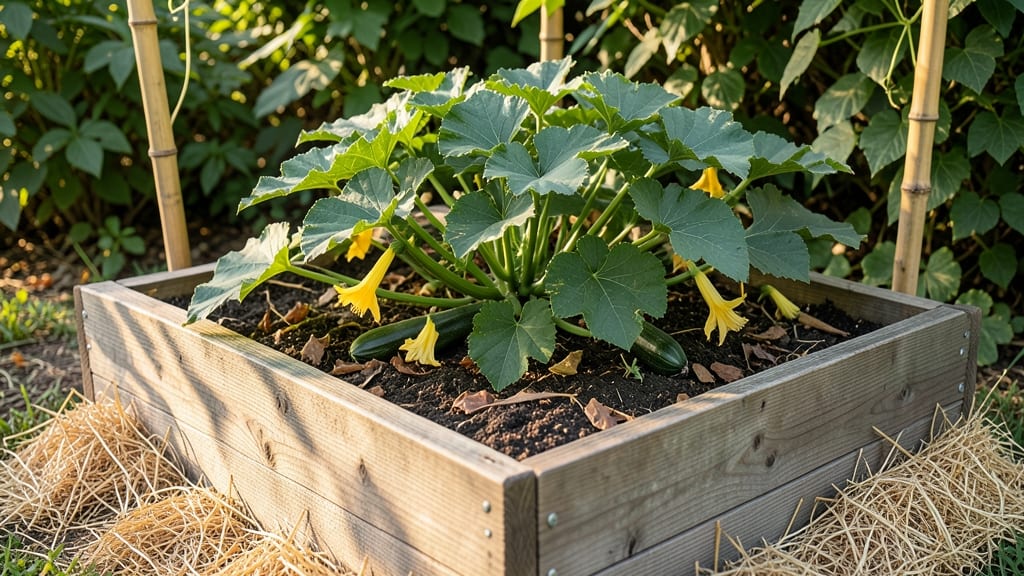
A raised bed for zucchini turns a single plant into a bushy, pollinator-magnet that produces enough for summer meals and fall preserves. 🌱 I designed mine with modular height sections—12 inches for roots, 6 inches for compost, and 4 inches of topsoil—because zucchini thrive when their sprawling vines have room to stretch while still getting deep moisture.
The key isn’t just the bed itself but how you stack it: taller sides keep soil warm, deter pests, and let you tuck in companion plants like nasturtiums that repel squash bugs. The soil mix matters more than you’d think.
I blend equal parts compost, coconut coir, and garden soil, then top with a handful of worm castings before planting. Zucchini are heavy feeders, and this combo keeps them producing through late summer without the usual mid-season crash.
Plus, the raised edges make weeding a breeze—no more crawling around in the dirt chasing volunteers. My beds stay cleaner and drier than in-ground plots, which means fewer fungal diseases and happier plants. By midsummer, you’ll see vines stretching 6 feet wide and bees buzzing between blooms.
The modular height lets you add sections as needed—perfect for scaling up or down. I’ve even used the extra space to train cucumbers vertically alongside the zucchini, doubling my harvest in the same footprint. The best part?
Pollinators adore the flowers, and your neighbors will be green with envy when you hand them a basket of zucchini. This system works for small urban gardens or sprawling homesteads—just adjust the dimensions.
Start with a 4x8-foot bed for one plant, then expand as your confidence (and zucchini addiction) grows. The secret? Height control, soil science, and a little extra elbow room for those hungry vines.
📚 In This Guide
- What you need
- Instructions
- Tips and common mistakes
- Wrapping up and next steps
What you need
- ● Lumber: Pressure-treated cedar or redwood (rot-resistant): 4x 2×6 boards (8 ft long) – 8 total (for 4x4 ft bed, 2 ft high)
- ● 4x 2×4 boards (8 ft long) – 4 total (for corner braces)
- ● Hardware: 2.5-inch deck screws (stainless steel, 50+)
- ● 3-inch galvanized screws (for corner braces, 8)
- ● Landscape fabric (1 roll, 3 ft wide)
- ● Soil & Amendments: High-quality potting mix (sterile, ~1 cubic yard for 4x4x2 ft bed)
- ● Compost (1-2 bags, 40 lb each)
- ● Slow-release fertilizer (e.g., 10-10-10, 1 lb)
- ● Essential: Circular saw or handsaw
- ● Drill/driver (with 1/4" and 3/16" drill bits)
- ● Tape measure (25 ft)
- ● Speed square
- ● Level (4 ft)
- ● Work gloves & safety goggles
- ○ Optional (but helpful): Kreg jig (for pocket-hole joinery)
- ● Staple gun (for landscape fabric)
- ● Post hole digger (if anchoring to ground)
- ● Sunny spot (6–8 hours of direct sunlight daily)
- ● Flat, level ground (or a sturdy base like pavers)
- ● Access to water (hose with spray nozzle or drip irrigation)
- ● Zucchini seeds or seedlings (2–3 plants per 4x4 ft bed)
Step-by-step instructions for building a modular raised bed for zucchini
This system maximizes yield while keeping maintenance simple—ideal for both beginners and pollinator-friendly gardens.
🪴 Step 1: Design and Assemble the Modular Frame
Start by planning your bed dimensions. For zucchini, aim for at least 4 feet long and 12 inches deep—this gives roots room to spread while keeping the bed manageable. I use cedar planks (2x6s) for the frame because they resist rot and last 5-7 years without treatment. Cut four corner posts to 18 inches tall and two side panels to 12 inches tall for the first layer.
Assemble the frame using galvanized screws (not nails—they rust and loosen). Connect the corner posts to the side panels with 2.5-inch screws, reinforcing each joint with a diagonal brace for stability. This modular design lets you stack layers later if needed. Space the screws 6 inches apart along each board edge to prevent warping over time.
🌱 Step 2: Layer Soil for Optimal Drainage and Nutrition
Zucchini thrive in well-draining, fertile soil, so build your bed in layers. Start with 4 inches of coarse wood chips or straw at the bottom—this improves drainage and breaks down slowly to feed the soil. Next, add 6 inches of a 50/50 mix of compost and coconut coir for moisture retention without compaction.
Top with 4 inches of high-quality potting mix (not garden soil—it compacts in raised beds). Fluff the layers with a garden fork, breaking up any clumps. Avoid tilling; this disrupts the soil structure. Water the bed deeply after filling to settle the layers and eliminate air pockets. The soil should feel like a damp sponge—not soggy, not dry.
☀️ Step 3: Plant Zucchini for Maximum Yield
Wait until soil temperature reaches at least 60°F before planting—zucchini won’t germinate well in cooler soil. Space 4-6 plants per 4-foot bed, arranging them in a square pattern (not rows) to maximize sunlight exposure. Dig holes twice as wide as the root ball and 1 inch deeper to encourage root spread. Gently tease the roots outward before placing the plant in the hole.
Fill the hole with soil, pressing lightly around the base to remove air gaps. Water immediately after planting to help roots settle. Mulch the surface with 2 inches of straw to retain moisture and suppress weeds. Avoid piling mulch against stems—keep it 2 inches away to prevent rot. You’ll see first true leaves in 7-10 days if conditions are right.
💧 Step 4: Maintain Moisture and Support Growth
Zucchini need 1-2 inches of water per week, delivered at the soil line—not the leaves. I use a soaker hose buried 1 inch deep along the bed’s edge to water deeply without wetting foliage (which spreads disease). Water in the early morning so leaves dry quickly. Check soil moisture by sticking your finger 2 inches deep—if it feels dry, water again.
As vines grow, install trellis stakes or a tomato cage at planting time to support heavy fruit. Zucchini vines can reach 10 feet long, but training them vertically saves space and improves air circulation. Prune suckers (small shoots growing between the main stem and branches) to redirect energy to fruit production. Harvest when zucchini reach 6-8 inches long—this encourages more production.
✂️ Step 5: Encourage Pollinators and Extend the Season
Plant marigolds or borage at the bed’s edges to attract bees and beneficial insects. These pollinators boost zucchini yields by 30-40%. Avoid pesticides—even organic sprays can harm pollinators. I also add a small dish of water with pebbles near the bed to provide a drinking source for bees.
To extend the season, cover young plants with frost cloth when nighttime temps drop below 50°F. Remove the cloth during the day to maintain airflow. In warm climates, succession plant every 2-3 weeks for continuous harvests. By late summer, you’ll have more zucchini than you can handle—share the bounty with neighbors!
Tips & tricks for building a modular raised bed for zucchini
Here's what I learned after building—and troubleshooting—these beds for years in my own garden.
Frame Stability Matters: When assembling your 4-foot frame with cedar planks, don't skimp on the diagonal braces. I've seen beds sag after just one season when builders skipped this step. Use 2.5-inch screws spaced 6 inches apart along each board edge—this prevents warping and keeps your bed square. For extra strength, pre-drill holes to avoid splitting the cedar, especially at the corner joints where weight will concentrate.
Soil Layering Secrets: The 4-inch wood chip layer at the bottom isn't just for drainage—it's also a slow-release carbon source that feeds your soil over time. Pro tip: Use untreated hardwood chips (like oak) if you're concerned about cedar's natural oils affecting compost. For the 6-inch compost-coir mix, I like to add a handful of worm castings to this layer—they introduce beneficial microbes that help break down nutrients faster. After adding your 4 inches of potting mix, give the entire bed a thorough watering to help settle everything before planting.
Planting Precision: That 60°F soil temperature requirement isn't arbitrary—it's when zucchini seeds start metabolizing sugars for germination. Use a soil thermometer for 3-5 days to confirm before planting. When spacing your 4-6 plants per 4-foot bed, think about their mature size. The square pattern isn't just aesthetic—it creates natural pathways between plants for better air circulation, which reduces disease risk. And that 1-inch deeper hole? It encourages roots to grow downward rather than circling, which gives you stronger plants.
Pollinator Power Move: The 30-40% yield boost from pollinators isn't just marketing—it's real. Plant your marigolds or borage at least 12 inches away from the zucchini bed's edge to avoid competition. For maximum effect, choose varieties with different bloom times (like early, mid, and late season marigolds) to keep pollinators visiting all summer. That water dish with pebbles? Place it where bees can access it without falling in—just a few inches of water with pebbles protruding creates perfect landing spots.
Pro Tips for Raised Bed For Zucchini
- Here's what I learned after building—and troubleshooting—these beds for years in my own garden.
- Frame Stability Matters: When assembling your 4-foot frame with cedar planks, don't skimp on the diagonal braces.
- Soil Layering Secrets: The 4-inch wood chip layer at the bottom isn't just for drainage—it's also a slow-release carbon source that feeds your soil over time.
Frequently asked questions
Got questions about growing zucchini in raised beds? You’re not alone! Here are answers to the most common queries to help you grow like a pro.
How deep should a raised bed be for zucchini?
Aim for 12–18 inches deep—this gives zucchini roots plenty of room to spread and access nutrients. Shallower beds (6–12 inches) can work but may limit growth if soil quality isn’t ideal. Pro tip: Add compost or aged manure to boost fertility in deeper beds!
When is the best time to plant zucchini in a raised bed?
Plant seeds or transplants 2–3 weeks after your last frost date when soil temps hit 60°F+. Zucchini thrives in warmth, so avoid early planting—cold soil delays germination. Hot tip: Use black plastic mulch to warm the bed faster!
How do raised beds help zucchini attract pollinators?
Raised beds warm up faster, encouraging bees and butterflies early in the season. Plant companion flowers like marigolds or nasturtiums nearby to boost pollination. Well-drained soil also keeps plants healthy, making them more appealing to pollinators!
Can I reuse soil from last year’s zucchini bed?
Reuse soil only if you rotated crops (zucchini is prone to pests/diseases). If not, refresh with 3–4 inches of compost or mix in new potting soil. Warning: Avoid replanting in the same spot for 2+ years to prevent blight!
Why aren’t my zucchini growing in the raised bed?
Check for poor soil moisture, nutrient deficiencies (like nitrogen), or pests (squash bugs, aphids). Overcrowding or shallow roots can also stunt growth. Fix it: Water deeply 1–2x/week, add balanced fertilizer, and thin seedlings to 12–24 inches apart.
Wrapping up and next steps
Growing zucchini in a raised bed isn’t just practical—it’s a game-changer for yield, soil health, and even pollinator-friendly gardens! 🌱 With the right modular height system, you’ll enjoy fewer pests, better drainage, and bountiful harvests year after year.
Whether you’re a beginner or a seasoned gardener, this setup makes zucchini care easier and more rewarding.
Now that you’re armed with the perfect plan, it’s time to roll up your sleeves and get planting! Start small, experiment with heights, and watch your garden—and your harvest—thrive. Happy growing! 🌿