
Landscaping
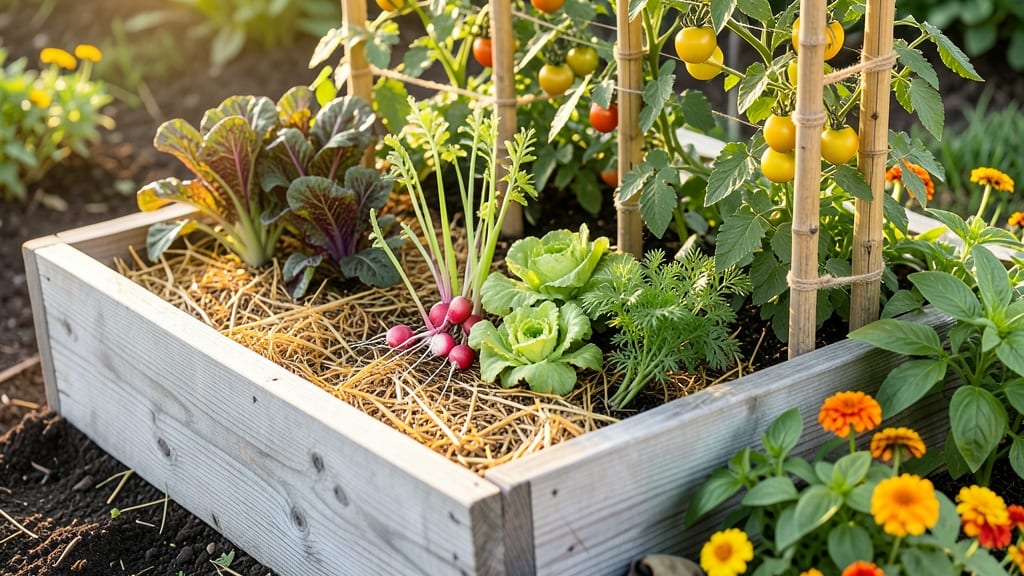
Raised bed planter ideas maximize small spaces by using tiered designs, vertical pockets, and modular stacking to fit more plants in compact areas while improving soil drainage and accessibility. Durable materials like cedar, composite wood, or repurposed pallets let you customize your setup for any yard size.
These space-efficient designs aren't just about saving room—they also help control soil quality and reduce weeds, making gardening easier. 🌱 For example, tiered planters let you grow herbs, lettuce, and strawberries in one small footprint, while vertical pockets work perfectly for fast-growing plants like beans or cucumbers.
I’ve seen gardeners double their harvest in half the space by stacking beds strategically, especially in urban areas where yard space is limited.
Another key advantage is the flexibility—you can start small with a single pallet planter and expand as your green thumb grows. Repurposed materials like old wooden crates or cinder blocks add a rustic charm while keeping costs low.
The secret is balancing plant needs: deeper beds for root crops like carrots, while shallow pockets suit shallow-rooted herbs.
💡 In This Article
- How to Build Space-Saving Raised Bed Stacks
- Creative Vertical Garden Planter Designs for Small Yards
How to build space-saving raised bed stacks
Stacking raised beds creates vertical layers that multiply growing space without expanding your yard's footprint. The key is using sturdy, lightweight materials like cedar (naturally rot-resistant) or composite lumber (which won't warp over time).
For a simple two-tier design, start with a bottom bed measuring 4 feet long × 2 feet wide × 12 inches deep, then add a top layer that's 2 feet long × 2 feet wide × 6 inches deep.
The top bed should sit on L-brackets or galvanized screws to prevent soil from spilling through gaps—this is where many DIY projects fail.
Weight distribution is critical to prevent tipping. A 4×2-foot bottom bed can safely support up to 200 pounds of soil and plants, but the top tier should be no more than 50% the size of the bottom.
For example, if your bottom bed holds 1 cubic yard of soil, the top should contain only 0.5 cubic yards. Use concrete blocks or pavers at the corners of the bottom bed to anchor it to the ground, especially in windy areas.
The soil depth difference between tiers also helps with drainage—water naturally flows downward through the layers.
Plant placement requires strategic thinking. Allocate the deepest soil (12 inches) in the bottom bed for root crops like carrots or potatoes, while the shallower top layer (6 inches) works perfectly for herbs, lettuce, or strawberries.
I've found that fast-growing plants like radishes or green onions thrive in the top tier because they don't need deep roots. For the bottom bed, choose heavier plants like tomatoes or peppers that can support their own weight without toppling the structure.
When constructing, leave 2-inch gaps between the bottom of each tier and the ground to allow for airflow and prevent moisture buildup. This also makes it easier to access the bottom bed for harvesting.
For a three-tier stack, reduce each subsequent layer by 30% in size—this creates a pyramid shape that's more stable. The topmost tier should be no wider than 1 foot to prevent overloading. Use landscape fabric between layers to block weeds from migrating upward.
Consider adding trellises or cages to the sides of your stack to grow vining plants like cucumbers or beans vertically, which saves even more space. These can be attached with zip ties or wire and positioned between tiers.
The vertical growth habit of these plants also improves air circulation around the stack, reducing disease risk. For example, a 6-foot-tall trellis on the side of your stack can support 10-15 cucumber plants that would otherwise sprawl across 10 square feet of ground.
One common mistake is overloading the top tiers with heavy soil amendments like compost. Instead, use a 50/50 mix of potting soil and compost in the upper layers to keep weight down while still providing nutrients.
The bottom bed can handle heavier amendments since it bears most of the weight. This layered approach mimics natural forest ecosystems where different plants thrive at different heights and soil depths.