
How To
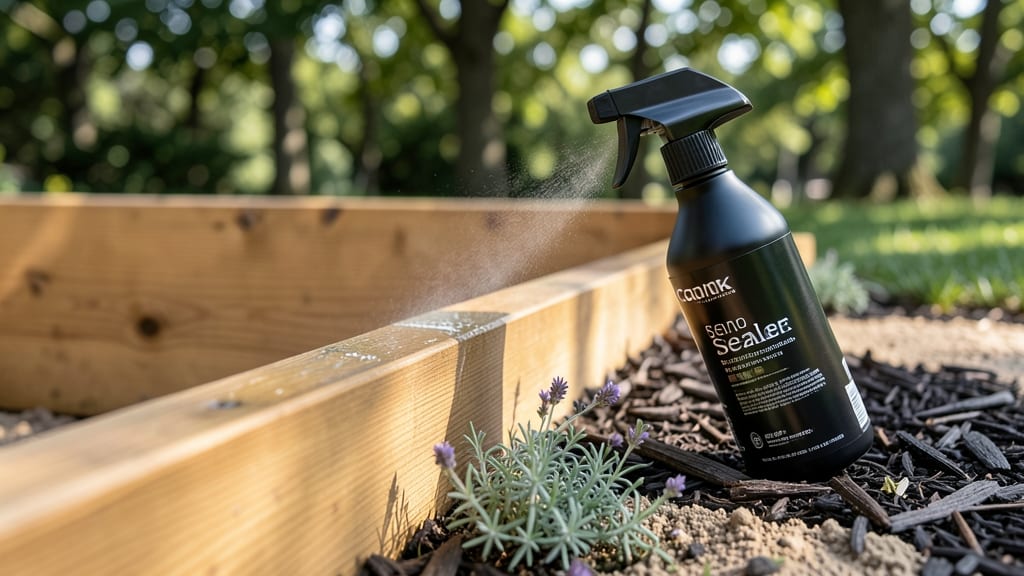
To choose the best raised bed sealer, pick a waterproof, UV-resistant option like rubberized asphalt, PVC, or modified bitumen that shields wood from rot and moisture while extending its lifespan. Your climate, wood type, and ease of application should guide your final selection.
Raised bed sealers act like a shield against nature's biggest threats to your wood: moisture and sunlight. 🌞 Without proper sealing, wood absorbs water and swells, then cracks as it dries—leading to rot within just a few years.
The right sealer doesn't just repel water; it also blocks UV rays that break down wood fibers over time, turning your beds from sturdy structures to splintered eyesores. I've seen cedar beds last 15+ years with the right sealant, while untreated pine can fail in under three seasons.
The key is matching your sealer to your local climate—humid areas need extra moisture protection, while dry climates benefit from UV-focused sealants.
Don't overlook application ease either. Some sealers require professional-grade brushes and multiple coats, while others spread like paint with a roller. For DIYers, acrylic-based sealers offer the easiest application but may need reapplication every 1-2 years, whereas asphalt-based options provide longer protection but require more prep work.
Always test your chosen sealer on a small wood sample first—some sealers can darken wood noticeably or leave a sticky residue if not applied correctly.
💡 In This Article
- How Raised Bed Sealers Protect Wood from Decay
- Top 5 Raised Bed Sealers for Different Climates and Wood Types
How raised bed sealers protect wood from decay
Wood decay starts at the cellular level when moisture seeps into the porous structure. Unsealed wood absorbs water through capillary action, causing fibers to swell by up to 20% during wet conditions. This expansion creates microscopic cracks that trap moisture, creating the perfect environment for fungal growth and bacterial rot.
A quality sealer works by forming a hydrophobic barrier that repels water while allowing wood to breathe—critical for preventing that trapped moisture scenario. 🌧️ The best sealers also contain UV inhibitors that break down when exposed to sunlight, forming a protective layer that blocks 90-95% of harmful UV rays that degrade lignin (wood's natural glue).
Different sealers interact with wood in distinct ways. Acrylic sealers create a flexible film that moves with wood expansion, making them ideal for areas with frequent freeze-thaw cycles. Asphalt-based sealers penetrate deeper into wood fibers, offering superior moisture resistance but requiring more prep work to avoid clogging pores.
PVC-based sealers form an impermeable membrane that's particularly effective in tropical climates where humidity exceeds 70%. The science shows that untreated wood loses 50% of its structural integrity in 5-7 years, while properly sealed wood maintains strength for 15+ years.
Temperature fluctuations accelerate wood deterioration. When wood heats up in sunlight, it expands, and when it cools at night, it contracts—this constant movement creates stress points where sealers can crack. High-quality sealers contain elastomeric polymers that flex with the wood, maintaining integrity through these cycles.
For example, a 120°F summer day followed by a 40°F night creates 150+ stress cycles per year—each one tests your sealer's flexibility. That's why premium sealers often include microfiber additives that bridge micro-cracks automatically, extending protection.
Chemical breakdown happens when sealers react with wood tannins or environmental pollutants. Some sealers contain volatile organic compounds (VOCs) that evaporate over time, leaving wood vulnerable. Look for sealers with low-VOC formulations—these maintain their protective properties longer.
The best sealers also include mildewcides that prevent algae growth, which can darken wood and reduce sunlight penetration by 30% over time. This is particularly important in shaded areas where moisture lingers.
Wood type matters too. Cedar contains natural oils that resist rot but still need sealing to prevent UV damage, while pine's open grain structure requires sealers that penetrate deeply. The porosity difference means pine needs 2-3 coats—cedar often gets away with just one.
Always check the manufacturer's recommended drying times between coats (typically 4-6 hours—longer in humid conditions) to ensure proper adhesion and protection.
Here's what happens when you skip sealing: Within 1-2 years, you'll see graying from mold, followed by surface cracks as wood fibers degrade. By year 3, structural rot may begin in the bottom layers where moisture pools.
The financial cost? Replacing a 4'x8' raised bed—even just the wood—can run $200-$500, plus the lost growing season. A $50 sealer—applied properly—can save you thousands over the bed's lifespan.