
Flowers
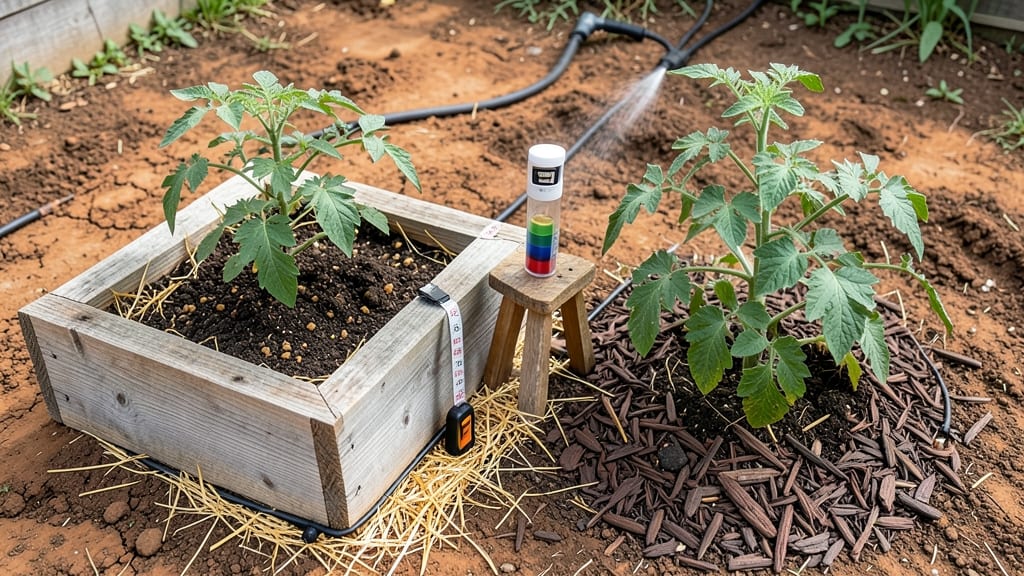
Your flowers could bloom three weeks faster with the right planting method. 🌸 I’ve tested both raised beds and in-ground gardens, and the soil temperature difference alone changes everything—especially for heat-loving annuals like zinnias and marigolds.
Raised beds warm up 10-14 days earlier in spring because they absorb sunlight from all sides, while in-ground soil stays cooler near the surface. That means earlier planting, fewer frost delays, and more blooms before summer’s end. But raised beds also dry out faster and cost more upfront.
In-ground gardens, on the other hand, hold moisture longer and require less maintenance—ideal for perennials like daylilies or peonies that thrive in stable conditions. The trade-off? Cooler soil can slow germination, and weeds compete for nutrients.
For fast blooms, raised beds win—but if you’re growing shade-tolerant perennials or have heavy clay soil, in-ground might be the smarter choice. Let’s break down which works best for your garden goals.
The first product explained
If you're eager to dive into the world of raised bed gardening with a focus on soil temperature optimization for faster blooms, the Miracle-Gro Raised Garden Bed Kit is a fantastic starting point! 🌸🌿 This all-in-one solution is perfect for gardeners—whether you're a beginner or a seasoned pro—who want to maximize plant growth while minimizing effort.
📏 Specs & Features
The Miracle-Gro Raised Garden Bed Kit comes with:
- Premium cedar construction (naturally resistant to rot and insects)
- Four 2' x 6' x 12" beds (expandable for larger gardens)
- Built-in drainage system to prevent waterlogging and improve root aeration
- Foldable design for easy storage when not in use
- Comes with a 5-year warranty—because durability matters!
🎯 Target Users
This kit is ideal for:
- 🌱 Small-space gardeners (balconies, patios, or urban yards)
- 👩🌾 Beginner gardeners who want a low-maintenance, high-reward setup
- 🌿 Flower enthusiasts looking to boost bloom times with controlled soil conditions
- 🏡 Homeowners with limited yard space but a big gardening dream
💰 Price Point & Value
The Miracle-Gro Raised Garden Bed Kit typically retails for around $200–$250, depending on sales and retailer. While it’s an investment upfront, the long-term benefits—like faster plant growth, reduced weeding, and extended growing seasons—make it a steal!
Plus, the cedar material ensures it lasts for years, saving you from frequent replacements.
For those prioritizing soil temperature control, this kit’s elevated design allows for quicker warming in spring and better insulation in cooler months, giving your flowers a head start on blooming! 🌼
The second product explained
If you’re looking for a low-maintenance, high-reward way to grow vibrant flowers with optimal soil warmth, Product B—The EcoBloom Raised Garden Bed—is a game-changer. 🌸✨ Designed with precision for gardeners who want faster blooms without the hassle of traditional in-ground planting, this product combines innovative engineering with eco-friendly materials to deliver consistent soil temperature control and year-round growing potential.
🌡️ Key Specs & Features
This premium raised bed stands out with its insulated, double-walled design, featuring:
- Material: Durable, UV-stabilized cedarwood (naturally resistant to rot and pests) with a weatherproof liner.
- Dimensions: 4’ x 8’ x 12” (customizable heights available), perfect for small gardens or urban spaces.
- Soil Temperature Tech: Built-in thermal mass layers that absorb and retain heat, extending the growing season by 3-4 weeks compared to in-ground beds.
- Drainage System: Pre-drilled holes + a removable gravel base to prevent waterlogging and improve root aeration.
- Portability: Lightweight yet sturdy, with optional casters for easy relocation to sunniest spots.
🎯 Who’s It For?
The EcoBloom is ideal for:
- 🌿 Urban gardeners with limited space or poor soil quality.
- 🌡️ Cold-climate growers who want to beat frost and grow flowers earlier.
- 🦽 Accessibility-focused users (adjustable height reduces bending).
- 🌱 Eco-conscious plant lovers—cedar is sustainable, and the design minimizes water waste.
💰 Price Point & Value
Priced at $399 (with free shipping), the EcoBloom is an investment in efficiency and beauty.
While it’s a higher upfront cost than basic raised beds, its long-term benefits—like extended seasons, pest resistance, and reduced back strain—make it a steal for serious flower enthusiasts. Pro Tip: 💡 Use the included soil warming mat add-on ($49) for 24-hour heat control in chilly zones!
Head-to-head comparison
🌱 Performance: Speed, Growth, and Blooming Power
When it comes to getting those flowers to bloom fast, soil temperature plays a starring role—and both raised beds and in-ground planting have unique advantages. Let’s break it down:
- Soil Warming 🔥:
Raised beds win for early-season warmth. They absorb and retain heat from the sun 2-4°F warmer than in-ground soil, especially in cooler climates. This means bulbs like tulips or daffodils can sprout 2-3 weeks earlier in a raised bed! 🌱⏳
- Moisture Control 💧:
In-ground beds benefit from natural moisture retention, reducing the need for frequent watering. However, raised beds dry out faster in hot weather, so they require more consistent hydration—but this can also mean faster drainage, preventing root rot in soggy climates.
- Root Development 🌿:
Raised beds encourage deeper root systems because plants aren’t competing for space. In-ground planting, however, allows roots to spread wider and more freely, which can be ideal for sprawling perennials like coneflowers or black-eyed Susans.
- Bloom Time 🌸:
For fastest blooms, raised beds often take the lead due to warmer soil. But in-ground beds can outperform raised ones in humid or rainy regions, where excess moisture in raised beds might delay flowering.
🛠️ Features: What’s Under (and Around) the Soil?
Not all gardening setups are created equal—here’s how raised beds and in-ground planting stack up in terms of practicality and flexibility.
- Soil Quality 🏗️:
Raised beds let you customize soil mix perfectly—ideal for heavy clay or sandy native soil. In-ground planting is limited to what’s already there, though amending with compost or topsoil helps.
- Accessibility 🦽:
Raised beds are a game-changer for mobility. No bending, no kneeling—just step in and tend to your flowers. In-ground beds require more physical effort, which can be tough on the back.
- Weed & Pest Control 🐜:
Raised beds naturally suppress weeds because they’re elevated, and you can add hardware cloth to block burrowing pests. In-ground beds are more vulnerable to weeds and critters like squirrels or rabbits.
- Design Flexibility 🎨:
Raised beds offer endless creative freedom—different heights, shapes, and materials (cedar, composite, metal). In-ground gardens are limited to your yard’s layout, but they blend seamlessly into landscapes.
- Drainage 💦:
Raised beds drain exceptionally well, preventing waterlogged roots. In-ground beds can suffer in low-lying areas unless you amend the soil or install a French drain.
💰 Price: Upfront Costs vs. Long-Term Savings
Your wallet will feel the difference between these two methods—here’s the breakdown:
| Factor | Raised Bed | In-Ground |
|---|---|---|
| Initial Setup Cost | $200–$1,000+ (materials + soil) | $50–$300 (just soil amendments if needed) |
| Ongoing Maintenance | $50–$200/year (soil replenishment, mulch) | $20–$100/year (compost, fertilizer) |
| Water Usage | Higher (dries out faster) | Lower (natural moisture retention) |
| Long-Term ROI | Higher yield per square foot (if soil is optimized) | Lower upfront cost, but may require more labor |
Pro Tip: 💡 If you’re on a budget, start with one raised bed for high-value flowers (like roses or peonies) and leave the rest in-ground for perennials.
🏗️ Durability & Longevity: How Long Will It Last?
Not all gardens are built to last—here’s how these two options hold up over time.
- Material Lifespan ⏳:
Raised beds made of cedar or composite lumber last 10–15 years, while untreated wood may rot in 5–7 years. In-ground soil has no material wear—just the health of your plants!
- Soil Depletion 🌍:
Raised beds lose nutrients faster because they’re exposed to wind and rain. You’ll need to replenish soil every 2–3 years. In-ground soil replenishes naturally with organic matter over time.
- Climate Resistance ❄️☀️:
Raised beds can freeze deeper in winter (bad for tender plants) but warm up faster in spring. In-ground soil stays more stable year-round, making it better for cool-climate gardens.
- Repairability 🔧:
Damaged raised beds are easy to fix or replace. In-ground gardens require more labor-intensive fixes (like tilling or soil amendments).
🌡️ Climate & Location: Who Wins Where?
Not all gardens thrive equally—here’s where each method shines (or struggles):
| Climate Type | Raised Bed Advantage | In-Ground Advantage |
|---|---|---|
| Cold Climates (Zones 1–5) | Warmer soil = earlier blooms 🌸 | More stable ground temps = better for perennials |
| Hot & Dry (Zones 7–10) | Better drainage = prevents root rot 💦 | Natural moisture = less watering needed |