
How To
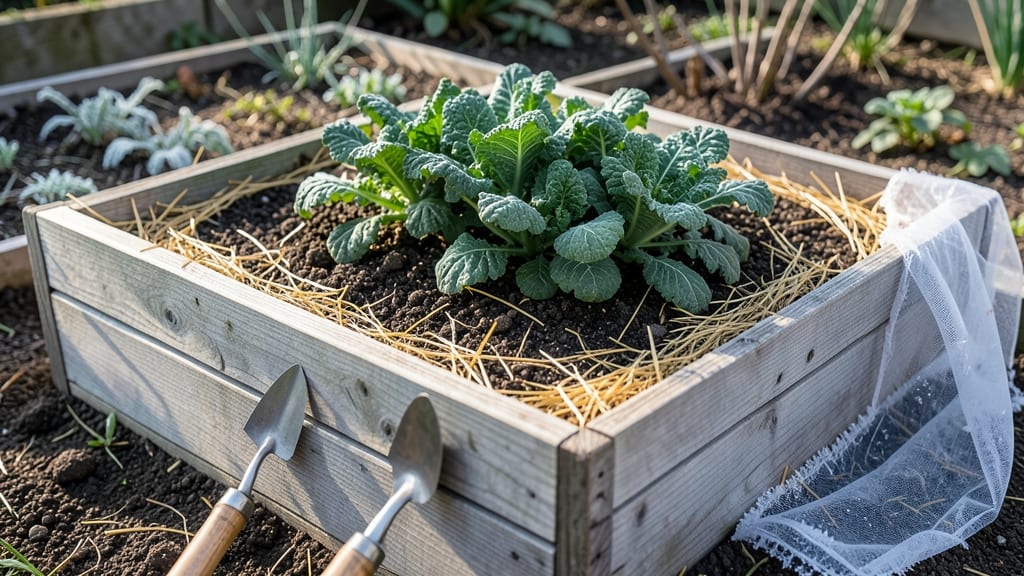
Winter doesn’t have to mean empty raised beds—cold-hardy crops like kale, spinach, and carrots grow shockingly well under frost. 🌱 I’ve kept my raised beds productive through January by choosing the right plants and protecting them from extreme cold.
The secret isn’t complicated: it’s about timing, insulation, and a few simple tricks to keep the soil warm enough for growth.
Start with crops that thrive in 30-50°F soil—kale, Swiss chard, and peas are my top picks. Add a 4-inch layer of straw or leaves to insulate the soil, and cover plants with floating row covers or old blankets on freezing nights.
Even in Zone 5, I’ve harvested fresh greens until late December with this setup.
You’ll end up with vibrant, frost-sweetened vegetables that taste better than anything store-bought. The beds stay ready for spring planting too, since the soil retains nutrients and structure. Plus, overwintering crops break up the monotony of winter gardening.
Works for any raised bed size, from 4x8-foot plots to small 2x4-foot containers. Here’s how to pick crops, prep your bed, and protect plants from the coldest nights—without breaking the bank.
📚 In This Guide
- What you need
- Instructions
- Tips and common mistakes
- Wrapping up and next steps
What you need
- ● Raised bed frame: Sturdy wood (cedar or redwood recommended), metal, or composite (minimum 4’ x 8’ for most crops).
- ● Cold-hardy soil: 6–12 inches of well-draining, organic-rich soil (mix garden soil with compost in a 2:1 ratio).
- ● Mulch: Straw, shredded leaves, or pine needles (4–6 inches depth) to insulate roots.
- ● Row covers: Frost cloth (rated for your zone) or lightweight blankets to shield tender plants.
- ● Drip irrigation or soaker hoses: For consistent moisture (even in cold snaps).
- ● Cold-hardy seeds/transplants: Kale, spinach, carrots, radishes, or garlic (check your USDA Hardiness Zone).
- ● Garden fork or tiller: For aerating soil before planting.
- ● Pruners: To trim dead foliage and encourage regrowth.
- ● Thermometer: Soil probe type to monitor temperatures (40–50°F ideal for many cold crops).
- ○ Cold frames or mini greenhouses: For extending the season (optional but game-changing!).
- ● Organic fertilizer: Low-nitrogen blend (e.g., 5-5-5) to support root growth.
- ● Know your last frost date (check Almanac’s Frost Calculator).
- ● Test soil pH (aim for 6.0–7.0 for most cold crops).
- ● Clear debris and weeds from the bed before adding new soil.
Step-by-step guide to planting cold-hardy crops in your raised bed for winter
Here's how to transform your raised bed into a frost-resistant garden that keeps producing through winter.
🌱 Step 1: Select and Prepare the Right Crops for Cold Climates
Choose varieties known for winter hardiness like kale, spinach, carrots, and winter radishes—these thrive when temperatures dip below 32°F. I always check the seed packet for "cold-tolerant" labels; some varieties even sweeten under frost. Avoid tender crops like tomatoes or peppers that won’t survive below 25°F.
Start with seeds or transplants 4-6 weeks before the first frost date in your zone. For example, in Zone 5, that means planting by mid-September. If using transplants, select ones hardened off properly—you’ll know they’re ready when they look sturdy and their leaves are slightly tougher than spring starts.
🪴 Step 2: Amend the Raised Bed Soil for Winter Growth
Winter crops need well-draining, nutrient-rich soil to prevent rot in cold, wet conditions. Mix 2-3 inches of compost into the top 6 inches of soil to improve fertility and structure. I also add a handful of aged manure or a balanced organic fertilizer (like 5-5-5) to support root development during shorter daylight hours.
Test the soil’s moisture level—it should feel like a damp sponge, not soggy. If your raised bed drains poorly, add 1 inch of coarse sand or perlite to the bottom layer before backfilling with soil. Cold, waterlogged roots lead to rot, and winter crops are especially vulnerable. Mulch with 2-3 inches of straw or shredded leaves after planting to insulate the soil and retain warmth.
☀️ Step 3: Plant with Proper Spacing and Mulching for Frost Protection
Follow seed packet spacing guidelines, but leave extra room (about 20% more) between plants in winter. Cold air settles between rows, and crowded plants struggle to dry off after morning frost. For example, plant kale 12-18 inches apart instead of the usual 10-12 inches. Use a row cover or lightweight frost blanket on nights when temperatures drop below 20°F to shield tender young plants.
Mulch heavily after planting—4-6 inches of straw works best. This layer traps heat radiating from the soil, keeping roots 5-10°F warmer than ambient air. Check mulch weekly; if it compacts or decomposes, fluff it up to maintain insulation. Avoid using fresh grass clippings, which can mat and trap too much moisture.
💧 Step 4: Water Strategically to Prevent Winter Drainage Issues
Water deeply once a week (or when the top 2 inches of soil feel dry)—less frequently than summer, but thoroughly. Winter watering encourages root growth before the ground freezes. I use a soaker hose or drip irrigation to avoid compacting the soil surface. Water in the late afternoon so moisture has time to penetrate before evening frost forms.
Watch for signs of overwatering: yellowing leaves or mushy stems signal rot. If your raised bed sits in a low spot where water pools, consider adding a French drain around the perimeter to redirect excess moisture. Cold, saturated soil smothers roots faster than drought in winter.
✂️ Step 5: Harvest and Maintain Through Frost and Thaw Cycles
Harvest leafy greens like kale or spinach by cutting outer leaves—this encourages regrowth and lets the plant survive multiple frosts. For root crops like carrots or radishes, wait until the ground thaws slightly after a frost; the cold actually improves their sweetness. I harvest in the morning after a light frost for the best flavor—just brush off excess ice before storing.
Remove any diseased or dead foliage immediately to prevent pathogens from overwintering. If heavy snow accumulates, brush it off plants to avoid breakage, but leave a 2-inch layer on the soil for natural insulation. Prune back leggy growth by one-third to encourage bushier, hardier plants before the deepest cold sets in.
Tips & tricks for raised bed winter gardening success
Here's what nobody tells you about keeping your winter crops thriving when temperatures drop.
Cold Tolerance Testing: Before planting, conduct a quick frost test on your chosen varieties. Place young plants in a cold frame overnight when temperatures dip below 25°F—if they survive with only minor wilting, they're ready for winter. This simple test prevents wasted effort on tender varieties that won't make it through frost cycles. The 32°F threshold is your minimum for most cold-hardy crops, but some varieties like kale actually improve in flavor after light frosts.
Layered Mulching Strategy: The 4-6 inches of straw recommended isn't just about insulation—it's about creating microclimates. Start with 2 inches of coarse straw directly on the soil to prevent crusting, then add 2 more inches of finer straw or leaves on top. This layered approach maintains better air circulation while trapping heat near the roots. Fluff the top layer weekly to maintain its insulating properties, especially after rain or snow.
Soil Temperature Management: While ambient air temperatures may drop below 20°F, your soil temperature should ideally stay above 35°F for root growth. Use a soil thermometer to monitor—if it falls below 30°F, add an extra 2 inches of mulch or cover with a thick frost blanket overnight. The 5-10°F warmer soil temperature created by proper mulching makes all the difference in winter survival rates.
Winter Watering Hack: The "once a week" guideline assumes average winter conditions, but your watering frequency should actually be determined by soil moisture rather than calendar days. Press your finger 2 inches into the soil—if it feels dry, water thoroughly using your soaker hose. Winter watering should be 20-30% less frequent than summer, but each watering should penetrate 6-8 inches deep to encourage deep root development before the ground freezes.
Pro Tips for Raised Bed Winter
- Here's what nobody tells you about keeping your winter crops thriving when temperatures drop.
- Cold Tolerance Testing: Before planting, conduct a quick frost test on your chosen varieties.
- Layered Mulching Strategy: The 4-6 inches of straw recommended isn't just about insulation—it's about creating microclimates.
Frequently asked questions
Got questions about keeping your raised beds productive through winter? You’re not alone! Here are some of the most common concerns—and their practical solutions—to help you grow cold-hardy crops like a pro.
What are the easiest cold-hardy crops to grow in a raised bed during winter?
Leafy greens like kale, spinach, and swiss chard are top picks—they taste sweeter after frost! Root veggies such as carrots, radishes, and beets also thrive. For herbs, try parsley or cilantro. These crops handle temps down to 20°F (-7°C) with proper protection.
When is the best time to plant winter crops in a raised bed?
Start 6–8 weeks before your first frost for a head start. In mild climates (zones 7–10), you can plant as late as October or November. For colder zones (3–6), aim for late summer to early fall (August–September). Use a planting calendar for your zone to time it perfectly!
How do I protect my raised bed crops from extreme cold or snow?
Layer straw or leaves (4–6 inches) as mulch to insulate soil and retain warmth. Use frost blankets or row covers on chilly nights (below 25°F/-4°C). For heavy snow, gently brush it off plants to prevent damage. A cold frame or mini greenhouse can extend the season by 10–15°F (5–8°C)!
Can I reuse the same raised bed soil for winter crops without refreshing it?
Yes! Winter crops like greens and brassicas don’t deplete soil as heavily as summer veggies. However, add a 2-inch layer of compost before planting to replenish nutrients. Avoid over-fertilizing—winter crops grow slower, so less is more. A soil test can help tailor your approach.
What do I do if my raised bed freezes solid—can I still grow anything?
Don’t panic! Thaw the bed gradually by removing snow and letting sunlight warm the soil. Plant fast-growing crops like radishes or peas once temps rise above 32°F (0°C). If the soil is still frozen, wait—pushing plants into icy ground can stunt growth. Patience pays off!
Pro Tip:
Mark your raised bed’s planting zones with stakes or labels to track what thrives each season. Over time, you’ll fine-tune your winter garden like a local farmer!
Wrapping up and next steps
Winter doesn’t have to mean an empty raised bed! By planting cold-hardy crops like kale, spinach, and garlic, you can turn frost into a flavor boost—while saving money and extending your harvest.
With the right prep (mulch, row covers, and smart spacing), your garden can stay productive even when temperatures drop. 🌱❄️
Ready to keep growing? Start small—try one or two frost-tolerant crops this season—and watch your raised bed become a year-round powerhouse. Happy planting! 🚀