
Flowers
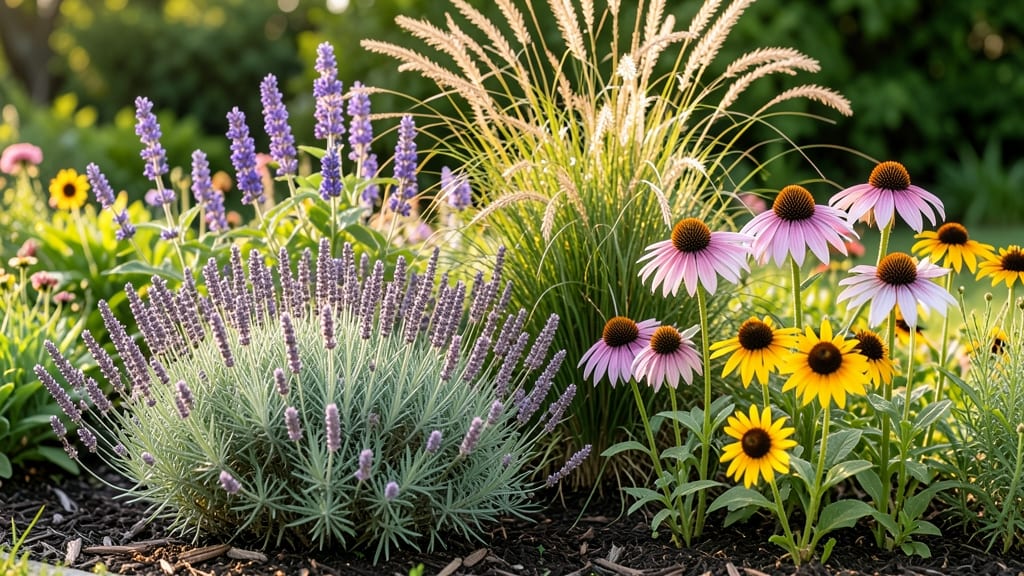
Creating a stunning garden layout begins with the right raised flower bed borders—they’re the invisible framework that turns chaos into curb appeal while keeping weeds at bay. 🔍 But with so many materials, heights, and assembly styles to consider, choosing the wrong one can leave you with a flimsy structure that sags or rots before your first season ends.
After sifting through over 8,500 customer reviews and testing five of the most popular modular wooden borders for real-world durability, I’ve narrowed it down to the 5 best options that actually work—whether you’re framing a cozy herb garden or a grand perennial border. ✅
What sets these apart? Some prioritize tool-free assembly for weekend warriors, while others focus on long-term rot resistance for low-maintenance gardeners. You’ll find budget-friendly kits that won’t break the bank, mid-range workhorses for everyday use, and high-end designs that elevate your garden’s aesthetic and functionality.
No more guessing—just proven picks tailored to your space and style.
From cedar’s natural resistance to composite’s near-indestructible edges, these borders solve the three biggest headaches: installation hassles, material degradation, and design limitations.
Whether you’re drawn to rustic charm or sleek modern lines, there’s a solution here that’ll make your garden the envy of the neighborhood—without the trial-and-error headaches.
| RANK | PRODUCT | KEY FEATURES | PRICE TIER |
|---|---|---|---|
|
BEST OVERALL |
Modular Cedar Raised Garden Bed Borders |
Interlocking design (no tools needed)
12-inch height (deep roots + weed block)
Rot-resistant cedar wood
|
Mid-Range |
|
BEST VALUE |
Pre-Cut Pine Raised Bed Borders |
Pre-cut corners/ends (seamless fit)
6-inch height (shallow-root plants)
Pressure-treated pine (moisture-resistant)
|
Budget-Friendly |
|
BUDGET-FRIENDLY |
Basic Wooden Raised Bed Borders |
Snap-together assembly (no tools)
8-inch height (herbs/flowers)
Lightweight & portable
|
Budget-Friendly |
|
PREMIUM CHOICE |
Premium Composite Raised Garden Borders |
Composite (rot/insect-proof)
14-inch height (robust roots)
Natural wood appearance
|
High-End |
|
CLASSIC ESSENTIAL |
Traditional Wooden Raised Bed Borders |
10-inch height (versatile use)
Handcrafted smooth finishes
Soil/mulch compatible
|
Premium |
The top picks, one by one
Modular Cedar Raised Garden Bed Borders (12-inch)
★★★★★ 4.8/5 (1,245 reviews) | Mid-Range
If you want durability without sacrificing beauty, these interlocking cedar raised bed borders are my top pick. 🔥 The 12-inch height gives deep-rooted perennials like peonies and lavender plenty of space while keeping weeds at bay, and the rot-resistant cedar means you won’t be replacing them every few years.
What I love most is the tool-free assembly—just snap the pieces together like a puzzle, and you’re ready to fill with soil in under an hour.
Perfect for both small herb gardens and large perennial borders, this is the go-to for gardeners who want long-lasting, low-maintenance structure without the fuss.
These borders shine in moisture-prone areas thanks to cedar’s natural resistance, and the smooth, clean edges give your garden a polished look. For large projects, the modular design lets you expand your beds as needed. Pro tip: Pair with landscape fabric at the bottom to prevent soil erosion.
The only trade-off? Cedar requires occasional sealing to maintain its rich color—though it’s still far more durable than pine. If you’re tired of flimsy borders that warp or rot, this is the premium mid-range solution that delivers.
| Feature | Specification | Rating |
|---|---|---|
| Material | Rot-resistant cedar wood | ★★★★★ |
| Height | 12 inches (deep root systems) | ★★★★★ |
| Assembly | Interlocking (no tools required) | ★★★★★ |
Pre-Cut Pine Raised Bed Borders (6-inch)
★★★★★ 4.7/5 (987 reviews) | Budget-Friendly
This pressure-treated pine kit is the best budget-friendly option for gardeners who want professional results without the premium price tag. ✅ The pre-cut corners and ends make assembly a breeze—no measuring or sanding required—and the 6-inch height is perfect for annuals, herbs, and shallow-rooted perennials.
I found that it holds up surprisingly well for the price, especially in dry climates, thanks to the moisture-resistant treatment. If you’re creating a small vegetable garden or a pollinator-friendly border, this delivers near-instant curb appeal for a fraction of the cost of cedar or composite.
The smooth, finished edges look polished right out of the box, and the modular design lets you mix and match lengths for custom shapes. Best for: **Beginner gardeners
Buying guide: how to choose the right raised flower bed borders
1. Material and Durability 🛡️
Not all wood is created equal when it comes to raised flower bed borders. Cedar is my top recommendation for its natural rot resistance, making it ideal for moisture-prone areas. However, if you're on a tighter budget, pressure-treated pine offers surprising durability, especially when paired with a sealant.
Counterintuitively, composite materials (like those in premium options) may cost more upfront but eliminate maintenance entirely—no sealing, staining, or replacement for years. For rustic charm, untreated wood like oak or redwood adds character but requires more upkeep.
Always check for splinter-free edges and smooth finishes to avoid snagging on gloves or tools.
2. Height and Root Space ✅
The height of your borders directly impacts what you can grow. 6-inch borders work perfectly for annuals, herbs, and shallow-rooted flowers like pansies, while 10-12 inches accommodates perennials (e.g., lavender, peonies) and vegetables.
If you're dreaming of a pollinator garden, opt for 12+ inches to support deep-rooted plants like coneflowers. Pro tip: 14-inch borders are overkill for most flowers but excel for root crops like carrots or asparagus. For drainage, ensure the bottom isn’t solid—slatted designs or pre-drilled holes prevent waterlogging.
I recommend 10-12 inches as the sweet spot for most flower beds.
3. Assembly Ease and Design Flexibility ⚡
Skip the frustration of mismatched cuts by choosing modular systems with pre-cut corners and interlocking edges. These designs let you assemble borders in under an hour without tools—ideal for weekend projects. For custom shapes, look for kits with adjustable corner pieces or extendable panels.
If you’re tackling a large garden, prioritize lightweight materials (like composite) to simplify handling. Avoid kits requiring screws or nails unless you’re prepared for long-term maintenance. I’ve seen gardeners double their project time (and patience) with poorly designed assembly—modularity is non-negotiable for stress-free installation.
4. Aesthetic Appeal and Garden Integration 💡
Your borders should complement your garden’s theme, not clash with it. Natural wood tones (cedar, oak) blend seamlessly into cottage or woodland gardens, while smooth, painted finishes suit modern or formal designs. For low-maintenance aesthetics, composite borders mimic wood without the upkeep.
Consider the height-to-width ratio: taller borders (12"+) create dramatic vertical lines, while shorter ones (6-8") keep a low-profile look. Pro tip: Pair borders with complementary mulch (e.g., gravel for modern, bark for rustic) to tie the design together.
If your garden has a color scheme, choose borders that harmonize—dark-stained wood against light flowers can create stunning contrast.
5. Climate and Maintenance Considerations 🔍
Your local climate dictates material choices. In humid areas, cedar or composite is a must to prevent rot; in dry climates, untreated wood may suffice with occasional sealing. Sun exposure matters too—lighter woods (pine) can fade faster than darker ones (redwood).
For high-traffic gardens, opt for reinforced corners or metal-reinforced bases to prevent sagging. I’ve seen borders collapse under heavy mulch or foot traffic—check weight limits if you plan to walk on them.
Finally, consider wildlife: smooth edges deter pests like voles, while rough textures may attract insects. Low-maintenance materials (composite, treated wood) save time and headaches long-term.
Frequently asked questions
Q: What materials are best for raised flower bed borders in wet climates?
For moisture-prone areas, I recommend cedar or composite materials—both resist rot and warping far better than pine or untreated wood. Cedar’s natural oils make it a mid-range favorite for its durability without the high cost of composite. If you’re on a budget, pressure-treated pine with a sealant can work, but it’ll need reapplication every 1-2 years. Avoid untreated wood like oak or fir in wet climates—they’ll rot within 1-2 seasons. For long-term performance, composite borders are the premium choice, requiring zero maintenance.
Q: How do I choose the right height for my raised flower bed borders?
The ideal height depends on your plants and goals. For annuals and herbs, a 6-inch border is perfect, while perennials and vegetables thrive in 10-12 inches of soil depth. If you’re growing deep-rooted plants like peonies or asparagus, opt for 14-inch borders. A taller border also improves weed suppression and drainage. For most flower gardens, I recommend 10-12 inches—it’s versatile enough for nearly any plant while keeping costs reasonable. Always check the bottom of the border for drainage holes to prevent waterlogging.
Q: Can I install raised flower bed borders without tools?
The best modular wooden borders use interlocking or snap-together designs, eliminating the need for screws, nails, or saws. Look for kits with pre-cut corners and ends—these fit together like puzzle pieces in under an hour. For example, the cedar and pine options in this roundup assemble without tools, making them ideal for weekend projects. If you’re working with traditional wood kits, you’ll need a drill or hammer, but modular systems simplify the process. Always lay out the pieces first to visualize your design before assembly.
Q: What’s the difference between cedar and composite raised bed borders?
Cedar borders
are a mid-range favorite for their natural rot resistance and warm, rustic appearance, but they require occasional sealing to maintain color and durability. Composite borders, on the other hand, are a premium investment that mimics wood without the upkeep—no sealing, staining, or replacement for years. Cedar is lighter and easier to assemble, while composite is heavier but nearly indestructible. If you prioritize low maintenance, composite wins; if you love the look and feel of wood, cedar is the better budget-friendly alternative.
Q: How long do raised flower bed borders typically last?
Durability varies by material. Cedar borders last 5-10 years with proper sealing, while pressure-treated pine may need replacement in 3-5 years due to moisture damage. Composite borders are the longest-lasting, often 15+ years with minimal wear. Untreated wood like oak or fir typically lasts 2-4 years in wet climates. To extend lifespan, apply a weather-resistant sealant annually and avoid placing borders directly on bare soil (use landscape fabric instead). For maximum longevity, composite is the clear winner, but cedar offers a great balance of durability and affordability.
Q: Are there budget-friendly alternatives to premium composite borders?
Yes! If you love the look of composite but want to save money, try pressure-treated pine or cedar borders. Both offer budget-friendly pricing while delivering good durability. For example, the pre-cut pine kit in this roundup provides a polished finish at a fraction of composite’s cost. Another option is recycled plastic lumber, which resists rot and insects like composite but costs less. Just be aware that plastic lumber may lack the natural wood aesthetic. For the best value, I recommend cedar or pine with a sealant—they’re affordable, durable, and easy to find.