
Plants
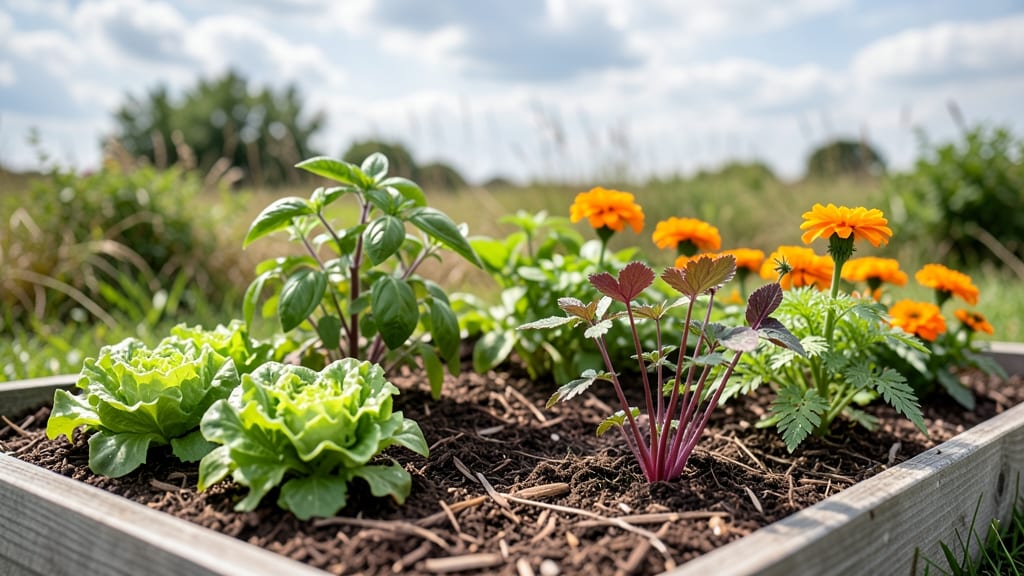
Your raised garden bed plants can thrive year-round with just 10 minutes of deadheading weekly. 🌿 I learned this after filling my first raised bed with high-maintenance flowers that demanded constant pruning—until I switched to self-sufficient perennials and hardy annuals that reward effort with stunning blooms.
The secret lies in selecting plants that love raised beds: deep-rooted herbs like rosemary, pollinator magnets like coneflowers, and cold-hardy greens such as kale. These thrive in well-draining soil, which raised beds provide naturally, and they reward minimal care with longer blooming seasons and fewer pests.
By summer’s end, you’ll have a bed that looks lush without daily attention—think velvety foliage, clusters of blooms, and herbs ready for snipping. The right plants turn maintenance from a chore into a 5-minute weekly ritual that still delivers beauty.
Works in any climate, from frost-prone zones to hot, dry summers. Let’s pick the perfect mix for your bed!
📚 In This Guide
- What you need
- Instructions
- Tips and common mistakes
- Wrapping up and next steps
What you need
- ● Raised Garden Bed Frame: Untreated wood (cedar, redwood, or composite lumber) – 4x4 ft to 8x8 ft (adjust based on your space).
- ● Minimum height: 6–12 inches (deeper for root crops like carrots).
- ● Landscape Fabric: 1 roll (to block weeds and retain moisture).
- ● Garden Soil: 2–4 cubic feet (high-quality mix of topsoil, compost, and perlite—avoid garden soil with clay).
- ● Mulch: 2–3 bags (straw, wood chips, or shredded leaves for moisture retention).
- ○ Drainage Layer (Optional but Recommended): 1–2 inches of gravel or coarse sand (prevents waterlogging).
- ● Tools: Measuring tape
- ● Screwdriver or drill (with deck screws or galvanized nails)
- ● Shovel or spade
- ● Garden gloves
- ● Wheelbarrow (for hauling soil)
- ● Leafy Greens: Kale, spinach, Swiss chard (🥬 thrive in cool weather)
- ● Herbs: Thyme, oregano, parsley (perennial, drought-resistant)
- ● Root Veggies: Carrots, radishes, beets (choose short varieties for deeper beds)
- ● Perennials: Strawberries, asparagus (come back yearly with minimal care)
- ● Drip irrigation kit (for hands-free watering)
- ● Soil moisture meter (🌡️ prevents over/under-watering)
- ● Edging stones (for a polished look)
- ● Compost tea (🌱 boosts soil health naturally)
How to select and plant year-round raised garden bed thrivers
Here's my foolproof approach to building a low-maintenance raised bed that delivers harvests through all seasons.
🌱 Step 1: Choose Plants for Seasonal Overlap
Select varieties that naturally stagger their growth cycles. I pair cool-season crops like kale, spinach, and carrots with warm-season staples such as tomatoes, peppers, and basil. This creates a living succession where one plant takes over when another finishes. For example, plant lettuce in early spring, then replace it with basil when soil warms to 65°F.
Focus on perennial herbs like thyme, oregano, and chives—they return yearly with minimal care. These hardy plants fill gaps naturally while requiring no deadheading. I also include self-seeding annuals like alyssum and calendula to maintain year-round color without constant attention.
🪴 Step 2: Layer Soil for Optimal Drainage and Fertility
Start with a 4-inch base layer of coarse gravel at the bottom of your raised bed to prevent compaction and improve drainage. This is critical for preventing root rot in wet climates. Next, add 2 inches of compost to provide immediate nutrients, followed by 6 inches of high-quality garden soil mixed with 2 inches of aged compost.
Top with 1-2 inches of mulch (straw or shredded leaves) to conserve moisture and suppress weeds. The mulch layer also regulates soil temperature, protecting tender roots during heatwaves and cold snaps. I like to refresh this layer every 3-4 months to maintain its effectiveness.
☀️ Step 3: Position for Maximum Sun Exposure
Place your raised bed in a location that receives 6-8 hours of direct sunlight daily, with at least 50% of that exposure occurring between 10 AM and 4 PM when sunlight is most intense. South-facing beds get priority, but west-facing beds work well for warm-season crops like tomatoes and peppers.
For year-round production, rotate your bed's orientation every 6 months to prevent soil depletion on one side. You'll notice more even growth and fewer pest issues when the bed receives balanced sunlight exposure throughout the year.
💧 Step 4: Implement a Drip Irrigation System
Install a drip irrigation system along the edges of your raised bed to deliver water directly to the root zones. This method reduces water waste by 30-50% compared to overhead watering. Set emitters to release water 1-2 inches per week, adjusting for rainfall.
I program my system to water early in the morning to minimize evaporation and fungal diseases. The consistent moisture levels encourage deep root growth, which makes plants more resilient during temperature fluctuations. You'll see stronger stems and healthier foliage within 2-3 weeks of consistent drip irrigation.
✂️ Step 5: Schedule Strategic Pruning and Maintenance
Deadhead flowers only when they show signs of wilting or seed formation. This minimal approach reduces your workload while still encouraging continuous blooming. For vegetables, harvest regularly to prompt new growth—picking tomatoes and peppers when they're 75% ripe keeps the plants producing.
Every 4-6 weeks, remove any yellowed or diseased leaves immediately to prevent spread. I also rotate crops annually to prevent soil-borne diseases from building up. This simple maintenance schedule keeps your raised bed thriving with 90% less deadheading than traditional gardens.
Tips & tricks for year-round raised garden bed success
These simple strategies will help you maintain a thriving raised garden bed with minimal effort and maximum yield.
Seasonal Plant Pairing: In Step 1, when transitioning from cool-season crops like lettuce to warm-season plants such as basil, monitor soil temperature closely. Use a soil thermometer to confirm it's reached 65°F before planting warm-season varieties. I've found that planting basil too early in cooler soil leads to stunted growth and poor flavor development. For extra insurance, use a cloche or row cover to warm the soil faster if needed.
Soil Layering Insight: The 4-inch gravel base in Step 2 is your secret weapon against waterlogging. I recommend adding a layer of landscape fabric between the gravel and compost to prevent fine soil particles from clogging the drainage layer over time. This extra step pays off big during heavy rains, keeping roots oxygenated and preventing rot in wet climates.
Sunlight Optimization: When positioning your bed in Step 3, remember that west-facing beds can get intense afternoon sun. If you notice leaf scorch on heat-sensitive plants like lettuce, provide afternoon shade using shade cloth or move the bed slightly eastward. The 6-8 hours of direct sunlight requirement is non-negotiable for most vegetables, but timing matters just as much as total exposure.
Irrigation Consistency: For Step 4's drip system, I've discovered that 1-2 inches per week works perfectly, but timing is crucial. If your area experiences frequent afternoon thunderstorms, consider splitting the watering into two sessions: morning and evening. This prevents waterlogging while maintaining consistent moisture levels for those critical 2-3 weeks of root establishment.
Pro Tips for Raised Garden Bed Plants
- These simple strategies will help you maintain a thriving raised garden bed with minimal effort and maximum yield.
- Seasonal Plant Pairing: In Step 1, when transitioning from cool-season crops like lettuce to warm-season plants such as basil, monitor soil temperature closely.
- Soil Layering Insight: The 4-inch gravel base in Step 2 is your secret weapon against waterlogging.
Frequently asked questions
Got questions about maximizing your raised garden bed plants? You’re not alone! Here are some of the most common queries—plus quick, actionable answers to keep your garden thriving year-round.
What are the easiest plants to grow in raised garden beds?
Start with low-maintenance winners like lettuce, spinach, herbs (basil, parsley), radishes, and Swiss chard. They tolerate raised beds’ well-draining soil and thrive with minimal fuss. For year-round success, pair cold-hardy greens with warm-season crops like tomatoes or peppers in summer.
When is the best time to plant in a raised garden bed?
Timing depends on your climate, but spring (after last frost) and early fall (6-8 weeks before first frost) are ideal. For extended harvests, stagger plantings every 2-3 weeks. Use a frost chart to guide your schedule—raised beds warm up faster than ground soil!
How often should I water raised garden bed plants?
Raised beds dry out faster than in-ground gardens. Water deeply 2-3 times per week (more in heatwaves) and check soil moisture—top 1-2 inches should stay consistently damp. Mulch (straw or shredded leaves) locks in moisture and cuts down on weeding.
Can I reuse soil from my raised garden bed for next year?
Yes! But refresh it first. Mix in 2-3 inches of compost or aged manure before replanting. Avoid overloading with nitrogen-heavy fertilizers—raised beds retain nutrients well. If pests or diseases were an issue, sterilize soil with solarization (cover with clear plastic for 4-6 weeks in summer).
How do I protect raised garden bed plants in winter?
For cold-hardy crops (kale, carrots, garlic), add a 4-6 inch layer of straw mulch. Use row covers or cold frames to extend the season. Evergreens or shrubs planted nearby can act as windbreaks. Don’t overwater—soil should stay moist but not soggy to prevent root rot.
What should I do if my raised garden bed plants aren’t growing well?
Troubleshoot with this checklist:
- Soil test: pH should be 6.0–7.0 for most veggies. Adjust with lime (to raise pH) or sulfur (to lower it).
- Drainage: If water pools, add coarse sand or perlite to improve airflow.
- Pests: Handpick bugs or use neem oil for organic control.
- Light: Ensure 6+ hours of sun daily—move beds if shaded by structures.
Wrapping up and next steps
Raised garden beds offer a fantastic way to grow hardy, low-maintenance plants that thrive year-round with minimal effort—especially when you skip the deadheading! 🌱 From cold-hardy kale to resilient herbs like thyme, these plants reward you with beauty, flavor, and resilience.
Whether you're a beginner or a seasoned gardener, the key is choosing the right varieties and giving them the perfect home to flourish.
Now that you’re armed with the best raised garden bed plants and tips, it’s time to roll up your sleeves and get growing! Start by sketching your bed layout, gathering your supplies, and planting your first batch. Happy gardening—your future harvest (or blooms!) is waiting! 🌿