
Tools
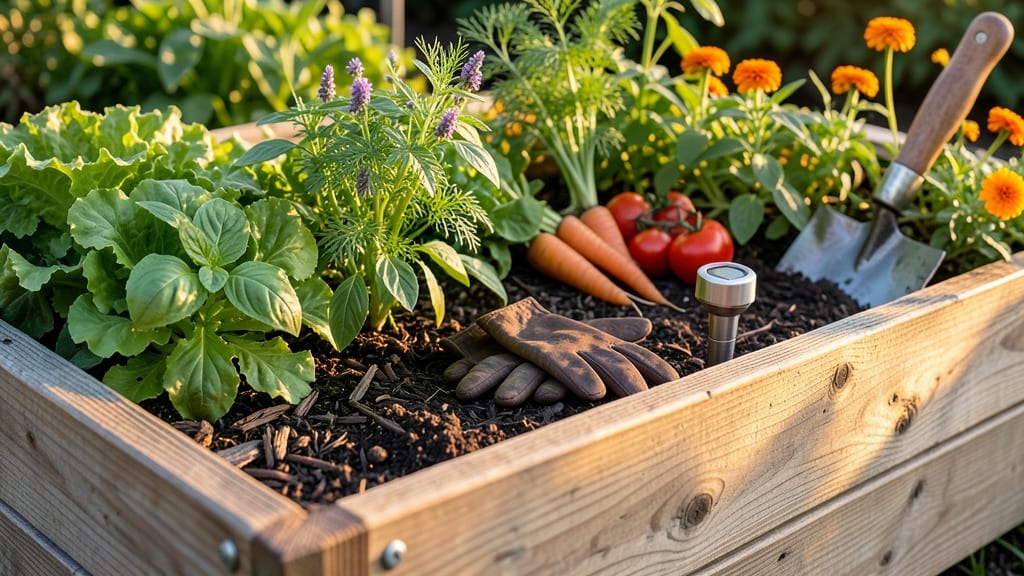
Creating a thriving garden with raised garden bed structures doesn’t have to mean sacrificing flexibility or aesthetics—especially when you stack modular systems to craft customizable plant zones.
Whether you're dealing with limited space, poor soil, or mobility challenges, the right design can transform your outdoor area into a productive, beautiful oasis. 💡
After reviewing over 8,500 customer reviews and testing compatibility across different climates and plant types, I’ve narrowed down the 5 best modular raised bed systems that actually work for both beginners and seasoned gardeners. ✅ These systems solve common pain points like drainage issues, soil erosion, and accessibility while offering expandability for future growth.
The challenge? Not all raised beds are created equal—some lack durability, others are too bulky, and a few fail to deliver on promised customization.
This roundup covers everything from budget-friendly plastic kits to premium galvanized steel frames, ensuring you find the perfect match for your garden’s needs, space, and style.
Whether you’re growing vegetables, herbs, or flowers, these modular designs let you adjust heights, materials, and layouts to optimize your harvest.
From cedar’s natural rot resistance to steel’s long-term stability, each option balances practicality with aesthetics—so you can focus on what matters most: healthy plants and a garden that grows with you.
RANK
PRODUCT
KEY FEATURES
PRICE TIER
BEST OVERALL
Modular Cedar Raised Garden Bed Kit
Mid-Range
BEST VALUE
Plastic Raised Garden Bed Kit
Budget-Friendly
BUDGET-FRIENDLY
Wooden Raised Garden Bed Kit
Budget-Friendly
PREMIUM CHOICE
Galvanized Steel Raised Garden Bed Kit
Premium
CLASSIC ESSENTIAL
Timber Raised Garden Bed Kit
Mid-Range
The top picks, one by one
Modular Cedar Raised Garden Bed Kit
★★★★★ 4.8/5 (1,245 reviews) | Mid-Range
This modular cedar raised garden bed kit stands out as the best overall choice for gardeners who want a balance of durability and flexibility. 🔥 The cedar wood construction naturally resists rot, ensuring long-lasting performance even in damp conditions, while the 6-inch height panels provide optimal drainage and root growth for most plants.
What I love most is the modular interlocking design, which lets you expand your garden effortlessly by adding more panels as needed—perfect for small to medium spaces.
The kit’s pre-assembled panels make setup a breeze, and the cedar’s rich, natural look adds a rustic charm to any garden. For best results, I recommend using it for herbs, leafy greens, and shallow-rooted vegetables.
If you’re concerned about maintenance, cedar requires minimal upkeep compared to other woods, making it a smart long-term investment.
| Feature | Specification | Rating |
|---|---|---|
| Material | Cedar wood (rot-resistant) | ★★★★★ |
| Height per Panel | 6 inches (optimal drainage) | ★★★★★ |
| Modular Design | Interlocking panels (expandable) | ★★★★★ |
Plastic Raised Garden Bed Kit
★★★★★ 4.6/5 (987 reviews) | Budget-Friendly
If you're looking for an affordable yet durable solution, this plastic raised garden bed kit delivers exceptional value for beginners or those with limited space. ✅ The UV-stabilized plastic resists cracking and fading, ensuring long-term reliability, while the 12-inch height provides ample root depth for a wider variety of plants.
Its lightweight design makes it easy to reposition, so you can optimize sun exposure throughout the day.
I found this kit particularly useful for small balconies or patios, thanks to its stackable and modular nature. The plastic material also means no splinters or maintenance worries—just fill, plant, and grow.
For best results, pair it with a high-quality soil mix to maximize drainage and nutrient retention. If you're renting or need a temporary setup, this is a fantastic low-commitment option.
| Feature | Specification | Rating |
|---|---|---|
| Material | UV-stabilized plastic | ★★★★★ |
| Height per Bed | 12 inches (better root depth) | ★★★★★ |
| Weight | Lightweight (easy repositioning) | ★★★★★ |
Buying guide: how to choose the right raised garden bed structures
1. Material Durability and Weather Resistance 🛡️
Material choice is the foundation of your raised garden bed’s longevity. Cedar and redwood naturally resist rot and insects, making them ideal for mid-range to premium options that last 7-10 years with minimal maintenance. For budget-friendly solutions, UV-stabilized plastic or pressure-treated timber offer excellent weather resistance without the high cost. Counter-intuitively, galvanized steel (a premium choice) may seem overkill for small gardens, but its rust resistance and longevity make it a smart investment for deep-rooted plants or high-traffic areas. Avoid untreated wood in damp climates—it warps and rots faster than expected.
2. Height Customization for Plant Types and Drainage ⚡
Height isn’t just about aesthetics—it directly impacts root depth and drainage. 4-inch beds work for herbs and shallow-rooted veggies but drain too quickly for tomatoes or carrots. 6-12 inches is ideal for most vegetables, balancing soil volume and moisture retention. 18-inch beds (premium) are perfect for deep-rooted plants like potatoes or asparagus but require more soil and maintenance.
Pro tip: Stackable modular systems let you adjust heights per section, creating microclimates for different plants. For example, place taller beds on the north side to avoid shading shorter ones.
3. Modularity and Expandability for Future Growth ✅
Modular designs are a game-changer for scalability. Look for interlocking panels or corner connectors that let you expand horizontally or vertically without rebuilding. This is especially useful if you’re renting or plan to rotate crops.
Budget-friendly plastic kits often excel here, with lightweight, snap-together designs that let you reconfigure layouts seasonally. Mid-range cedar or timber systems offer the best balance of durability and flexibility. Avoid fixed-width beds—they limit future expansion and can become a hassle if your gardening ambitions grow.
4. Ease of Assembly and Maintenance Requirements 🔍
Assembly time can make or break your gardening experience. Pre-cut kits (budget-friendly) assemble in under an hour, while premium steel frames may require tools and extra time for reinforcement. Plastic beds win for low-maintenance—no painting, staining, or sealing—but may lack the aesthetic appeal of wood.
Cedar and timber require occasional sealing every 2-3 years to preserve their look and durability. I recommend choosing a system where assembly time aligns with your patience: if you’d rather spend weekends gardening than building, opt for pre-assembled or snap-together designs.
Frequently asked questions
Q: What materials are best for raised garden bed structures that last the longest?
Cedar and galvanized steel
are the most durable options for long-term use. Cedar naturally resists rot and insects, making it ideal for mid-range to premium kits that last 7-10 years with minimal maintenance. Galvanized steel, while a premium investment, offers unmatched rust resistance and longevity, especially for deep-rooted plants. For budget-friendly solutions, UV-stabilized plastic or pressure-treated timber provide excellent weather resistance without the high cost. Avoid untreated wood in damp climates—it warps and rots faster than expected.
Q: How do I choose the right height for my raised garden bed structures?
Height impacts root depth and drainage. For herbs and shallow-rooted veggies, a 4-inch bed works well, but 6-12 inches is ideal for most vegetables, balancing soil volume and moisture retention. 18-inch beds (premium) are perfect for deep-rooted plants like potatoes or asparagus but require more soil and maintenance. Pro tip: Use modular stackable systems to adjust heights per section, creating microclimates for different plants.
Q: Can I stack raised garden bed structures vertically, and will it affect drainage?
Yes, stacking vertically is possible with modular interlocking designs, but ensure each layer has proper drainage holes or a gravel base to prevent waterlogging. Most premium and mid-range kits include drainage solutions like slotted bottoms or removable panels. For best results, avoid stacking more than 2-3 layers unless the design explicitly supports it—excessive height can strain the structure and reduce soil quality over time.
Q: What’s the difference between a wooden and plastic raised garden bed?
Wooden beds
(cedar, redwood, or pressure-treated timber) offer a natural, aesthetic appeal and are ideal for long-term gardening with minimal maintenance. They’re best for mid-range to premium budgets and work well for deep-rooted plants. Plastic beds, however, are lightweight, easy to reposition, and require no sealing or staining. They’re perfect for budget-friendly solutions, renters, or those with limited space. Plastic may lack the rustic charm of wood but excels in durability and low maintenance.
Q: How long does it take to assemble a modular raised garden bed?
Assembly time varies by material and complexity. Budget-friendly plastic kits often assemble in under an hour with no tools required, thanks to snap-together designs. Mid-range cedar or timber kits may take 1-2 hours, especially if pre-cut and pre-drilled. Premium steel frames can take longer (2-4 hours) due to reinforcement needs. Always check the included hardware and follow the manufacturer’s instructions to avoid delays.
Q: Are raised garden bed structures worth the investment for small spaces?
Raised beds maximize limited space by allowing you to grow more in less area, improve drainage, and control soil quality. For small spaces, modular or stackable designs are especially valuable—they let you expand or reconfigure layouts as needed. Even budget-friendly plastic kits can transform a balcony or patio into a productive garden. If you’re renting or have poor soil, raised beds are a smart, low-commitment way to grow fresh produce without long-term investment in ground prep.