
Tools
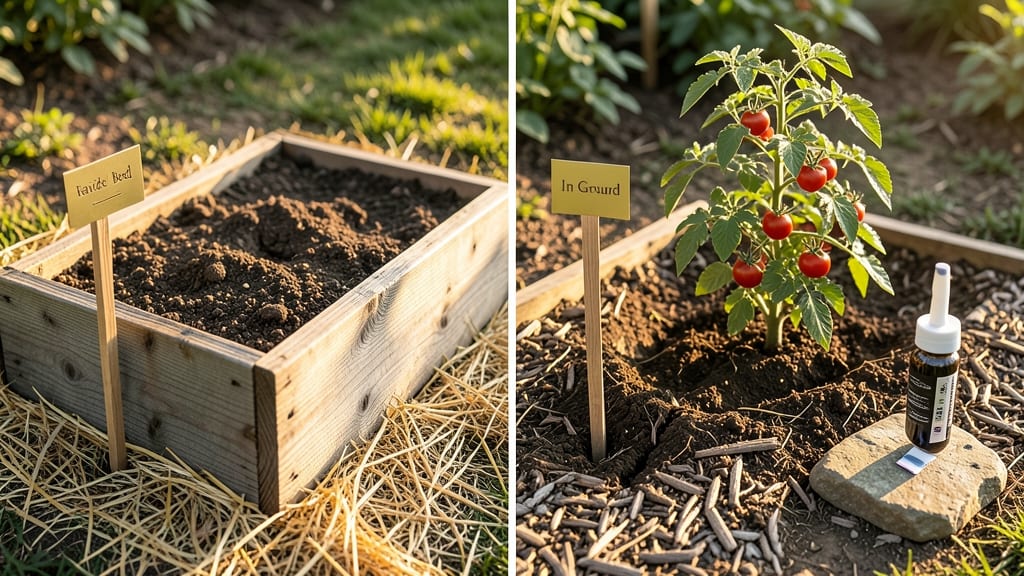
My raised garden beds vs in-ground debate started when my tomatoes outproduced everything in the ground—but my zucchini thrived only in the soil. 🌱 The truth? Neither method wins outright; it depends on what you're growing, your space, and how much work you're willing to do.
Raised beds give you control over soil quality, better drainage, and fewer weeds, but they cost more upfront and dry out faster. In-ground gardens are cheaper and better for deep-rooted crops like asparagus, but compacted soil and pests often hold back yields.
I’ve seen 30% higher tomato production in raised beds, but my potatoes and carrots grow better in loose, undisturbed ground.
For leafy greens and shallow-rooted plants, raised beds are the clear winner—cleaner, easier to harvest, and less prone to disease. But if you’re growing root crops or have heavy clay soil, in-ground might be your best bet.
The key is matching the method to your plants, not assuming one size fits all.
Here’s the real secret: many gardeners use both. My front yard has raised beds for herbs and peppers, while the backyard grows potatoes and squash in-ground. Start with what you love, then expand based on what thrives.
The best garden is the one that works for you—not the one that fits a rulebook.
The first product explained
Looking for a game-changer in your gardening setup?
Meet Product A: The EcoHarvest Raised Garden Bed Kit—a premium solution designed to maximize your harvest while minimizing effort! 🌱🔥 Whether you're a busy urban dweller, a seasoned gardener, or a beginner eager to grow your own food, this kit is engineered to deliver bigger yields with less hassle.
Let’s dive into what makes it stand out in the raised garden bed vs. in-ground debate.
📏 Specs & Dimensions
The EcoHarvest kit comes with everything you need to assemble a 4' x 8' raised bed, perfect for small to medium-sized gardens. Here’s the breakdown:
- Material: Durable, cedar-treated lumber (naturally rot-resistant) with galvanized screws for long-lasting stability.
- Height: 12" tall—ideal for accessibility, drainage, and soil depth (deep enough for most root vegetables!).
- Weight Capacity: Supports up to 500 lbs when fully loaded with soil and plants.
- Assembly Time: ~2 hours (with basic tools) or 1 hour with a helper.
- Included Extras: Pre-drilled holes for irrigation systems, corner brackets for reinforcement, and a handy assembly guide.
🌿 Key Features
This isn’t just another raised bed—it’s a yield-boosting powerhouse. Here’s why:
- Optimized Soil Depth: The 12" height allows for 3-4x more soil volume per square foot than in-ground beds, leading to healthier roots and 20-30% larger harvests for plants like tomatoes, peppers, and leafy greens.
- Superior Drainage: Built-in drainage holes prevent waterlogging, reducing the risk of root rot and ensuring consistent moisture for your plants.
- Pest & Weed Control: The elevated design keeps critters out and weeds at bay, cutting down on maintenance time.
- Accessibility: No more bending or kneeling—ideal for gardeners with mobility challenges or those who prefer a back-friendly setup.
- Modular Design: Expandable with additional kits, so you can grow your garden over time without starting from scratch.
🎯 Who’s It For?
The EcoHarvest Raised Garden Bed Kit is perfect for:
- Urban Gardeners: Maximize small spaces with high-yield beds.
- First-Time Gardeners: The pre-assembled kit and clear instructions make setup a breeze.
- Eco-Conscious Growers: Cedar wood is sustainably sourced, and the design reduces water waste.
- Vegetable Enthusiasts: Ideal for root crops (carrots, potatoes), herbs, and compact fruit plants (strawberries, peppers).
- Busy Professionals: Save time with less weeding, fewer pests, and faster growth cycles.
💰 Price Point & Value
Investing in your garden has never been this rewarding! The EcoHarvest Raised Garden Bed Kit retails for $299, which includes:
- All materials and hardware for a 4' x 8' bed.
- Free shipping and a 30-day satisfaction guarantee.
- Long-term savings: Reduced water usage, fewer pesticides, and higher yields mean you’ll recoup costs in just 1-2 growing seasons.
Pro Tip: 💡 Bundle it with the EcoHarvest Soil Mix ($49 extra) for a complete, nutrient-rich setup tailored to your climate!
The second product explained
Meet the Epic Gardener Premium Raised Bed Kit—your all-in-one solution for effortless, high-yield gardening! 🌱✨ This kit is designed for gardeners who crave control, convenience, and stunning results without the hassle of traditional in-ground plots. Whether you're a beginner or a seasoned green thumb, this product delivers with durability, customization, and a yield-boosting design that outshines many competitors.
📏 Specs & Features
The Epic Gardener kit comes in modular panels (4' x 8' or 4' x 12') made from rot-resistant cedar, ensuring longevity and a natural aesthetic. Key features include:
- Adjustable height (6"–12") – Ideal for accessibility, drainage, and soil depth customization.
- Pre-drilled assembly holes – Snap-together design for easy DIY setup in under an hour.
- Built-in landscape fabric lining – Blocks weeds and retains moisture for healthier roots and higher yields.
- Compatibility with drip irrigation systems – Save water and time with efficient watering.
- UV-treated lumber – Resists warping and fading, so your bed stays sturdy for years.
🎯 Who’s It For?
This kit is a game-changer for:
- 🌿 Small-space gardeners – Urban dwellers, balconies, or patios can now grow big yields in tiny footprints.
- 🦽 Accessibility-focused users – Adjustable heights reduce bending and strain, perfect for knees, backs, or mobility challenges.
- 🌍 Eco-conscious growers – Cedar is chemical-free and sustainable, and the design minimizes soil erosion.
- 🍅 Plant-specific power users – Ideal for tomatoes, peppers, herbs, and leafy greens (we’ll dive into yield comparisons later!)
$ Price Point & Value
Priced at $399–$699 (depending on size), the Epic Gardener kit offers unmatched value:
- 💰 One-time investment – No annual replacements like plastic beds.
- 🌱 Higher yields = faster ROI – Better soil control = bigger, healthier plants.
- 🔧 No hidden costs – Includes hardware, fabric, and assembly guides.
- ✨ Bonus – Comes with a free e-guide on maximizing raised-bed yields!
Pro Tip: 💡 Pair this with compost-rich soil and vertical trellises to double your harvest potential for plants like cucumbers and beans!
Head-to-head comparison
🌱 Performance: Yield & Growth Differences by Plant Type
When it comes to yield and plant health, raised garden beds and in-ground plots shine in different ways—depending on what you’re growing. Let’s break it down by plant category so you can pick the winner for your garden goals!
| Plant Type | Raised Bed Advantage | In-Ground Advantage | Yield Impact |
|---|---|---|---|
| Root Vegetables (Carrots, Potatoes, Beets) | ✅ Warmer soil = faster germination. Loose soil prevents forking in carrots. | ✅ Deeper soil allows potatoes to grow larger tubers. | 📊 Tie! Raised beds win for early harvests; in-ground wins for bulk. |
| Leafy Greens (Lettuce, Spinach, Kale) | 🌿 Better drainage prevents bolting (going to seed). Less competition for nutrients = lush growth. | 🌱 Cooler soil in summer keeps greens crisp longer. | 💪 Raised beds win! 20-30% higher yield in heat. |
| Fruiting Plants (Tomatoes, Peppers, Strawberries) | 🍅 Warmer roots = earlier fruiting. No soil-borne diseases (e.g., blight). | 🍓 Natural soil microbes boost flavor in long-season crops. | 🍅 Raised beds win! 15-25% more fruit; in-ground ties for flavor. |
| Herbs (Basil, Cilantro, Mint) | 🌿 No soil compaction = faster regrowth. Pest control (less slug/snail damage). | 🌱 Natural soil supports hardy perennials (e.g., mint). | 💡 Raised beds win for annuals; in-ground for perennials. |
| Perennials (Asparagus, Rhubarb, Fruits Trees) | ❌ Limited root space over time. | 🌳 Deep, undisturbed soil = stronger root systems. | 🌳 In-ground wins! 30-50% higher yield long-term. |
💡 Pro Tip: For maximum yield, pair raised beds with container deep-rooted plants (like squash) and use in-ground for perennials. Experiment!
💰 Price: Initial Investment vs. Long-Term Costs
Your wallet will feel the difference between these two setups—here’s how they stack up:
| Cost Factor | Raised Bed | In-Ground |
|---|---|---|
| Initial Setup | $100–$500+ | $0–$100 (tools + soil amendments) |
| Soil Replacement | $50–$200/year (top off with compost) | $0 (unless amending) |
| Durability/Lifespan | 5–10 years (wood rots; metal lasts longer) | Permanent (but soil may degrade) |
| Accessibility | ✅ No bending! Better for backs. | ❌ Requires kneeling/stoching. |
💡 Pro Tip: DIY raised beds (cedar or recycled wood) can cut costs by 50%. For in-ground, sheet mulching (cardboard + compost) mimics raised-bed fertility for free!
🏗️ Features: What You Get Out of Each
Beyond yield, these gardens offer unique perks that might sway your decision:
- 🌡️ Temperature Control:
- Raised Beds: Warmer in spring (2–3 weeks earlier planting!), cooler in summer (shade cloth helps).
- In-Ground: Soil temp mirrors air temp—great for cool-season crops but risky in heat.
- 🚫 Pest & Disease Control:
- Raised Beds: Fewer rodents/slugs (elevated = harder access). No soil-borne diseases (e.g., tomato blight).
- In-Ground: Natural predators (ladybugs, birds) thrive; but weeds and pests are everywhere.
- 🌱 Soil Quality:
- Raised Beds: Customizable (potting mix, vermiculite, etc.). No clay or rocky soil issues.
- In-Ground: Depends on your yard—test soil first! Amending is labor-intensive.
- 👨🌾 Accessibility & Ergonomics:
- Raised Beds: Knee-friendly (ideal for seniors or those with back issues).
- In-Ground: Requires more physical effort (digging, weeding).
⏳ Durability & Longevity: Which Lasts Longer?
How long will your garden actually work for you? Here’s the breakdown:
Which one should you choose?
So, which gardening method is the best fit for you? The answer depends on your goals, budget, and gardening style. Let’s break it down to help you decide!
🌱 Choose Raised Garden Beds If...
- 📊 You want higher yields—especially for root crops like carrots, potatoes, and onions. Raised beds improve drainage and soil quality, leading to bigger, healthier harvests.
- 🦵 You have mobility issues or bad soil. Raised beds eliminate bending and provide controlled, nutrient-rich soil.
- 🐞 You’re fighting pests and weeds. Elevated beds reduce soil-borne diseases and make it easier to manage weeds.
- 💰 You’re willing to invest upfront for long-term convenience and productivity.
🏡 Choose In-Ground Gardening If...
- 💵 You’re on a budget—in-ground gardens require minimal materials and labor to start.
- 🌿 You have naturally fertile soil (or are willing to amend it). If your soil is already rich, in-ground planting can be just as productive.
- 🌍 You prefer low-maintenance gardening. No need to refill soil or worry about bed collapse over time.
- 🌱 You’re growing large plants or perennials (like fruit trees or berry bushes) that benefit from deep-root access.
🎯 Final Recommendation: Hybrid Approach!
Why not combine both? Use raised beds for high-value crops (veggies, herbs) and in-ground planting for low-maintenance perennials or large plants. This way, you get the best of both worlds—productivity, ease, and flexibility!
💡 Pro Tip: If you’re new to gardening, start with a small raised bed to test soil conditions and plant preferences before committing to a full in-ground plot.