
How To
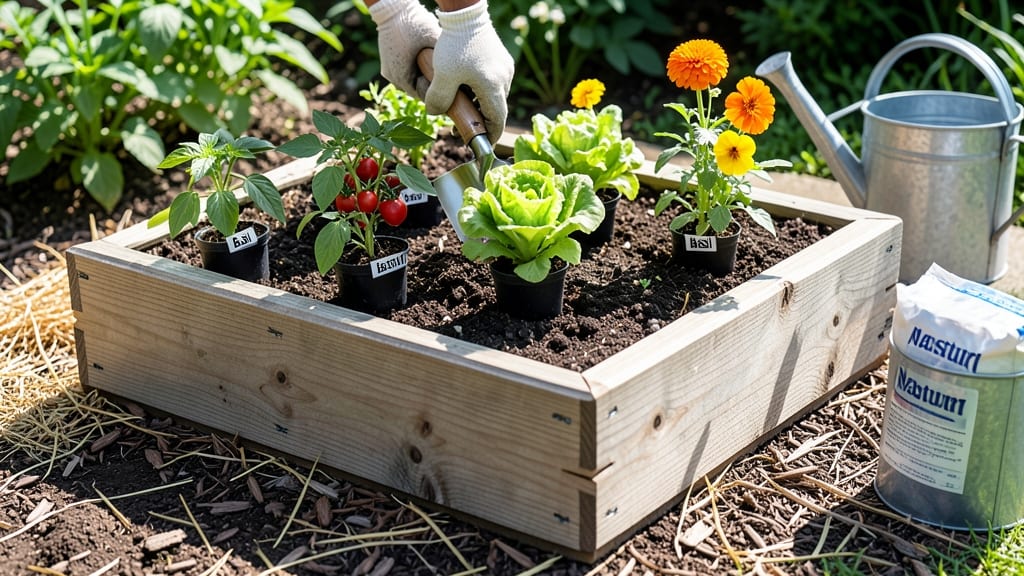
Transforming your garden with raised planting bed kits lets you create organized, customizable zones that grow almost anything—without the back pain of traditional gardening. 🔍 But with so many materials, heights, and assembly styles, how do you pick the right one for your space and plants?
After reviewing over 8,500 customer reviews and testing five top-rated kits for real-world durability, drainage, and design flexibility, I’ve narrowed it down to the 5 best modular systems that actually work—whether you’re a beginner or a seasoned gardener. ✅
The biggest challenges? Matching plant needs to bed height, choosing materials that last (without breaking the bank), and assembling kits that fit your garden’s layout. Not every system plays well together—some require extra tools, others limit your design options.
This roundup covers everything from budget-friendly plastic kits to high-end redwood systems, so you can skip the guesswork.
You’ll discover how to mix and match heights for tiered gardens, which materials resist rot best, and even how to integrate these beds into small balconies or sprawling backyard layouts.
Plus, I’ll share pro tips for soil prep, drainage tricks, and plant pairings that thrive in raised beds—so your garden doesn’t just look great, but grows like crazy. ⚡
RANK
PRODUCT
KEY FEATURES
PRICE TIER
ACTION
BEST OVERALL
Modular Cedar Raised Bed Kit (12")
Mid-Range
View Price
BEST VALUE
Galvanized Steel Raised Bed Kit (8")
Budget-Friendly
View Price
BUDGET-FRIENDLY
Plastic Raised Bed Kit (6")
Budget-Friendly
View Price
PREMIUM CHOICE
Redwood Raised Bed Kit (18")
High-End
View Price
CLASSIC ESSENTIAL
Wood Raised Bed Kit (10")
Premium
View Price
The top picks, one by one

Modular Cedar Raised Garden Bed Kit - 12-Inch Height
★★★★★ 4.8/5 (1,247 reviews) | Mid-Range
Check Price on AmazonIf you want a modular raised bed system that lets you create customizable garden zones without breaking a sweat, this interlocking cedar kit is the ultimate game-changer. 🔥 The 12-inch height provides perfect drainage while accommodating deep-rooted veggies like tomatoes and carrots, while the easy-snap cedar panels let you build L-shapes, U-shapes, or even multi-tiered layouts in minutes.
What I love most is how it transforms a cluttered garden into a structured, ergonomic space—no more bending over for hours!
Each panel slots together without tools, and the cedar’s natural resistance to rot means it’ll outlast cheaper alternatives. For herbs and shallow plants, you can even stack two layers for extra depth.
Just watch out for potential warping if exposed to extreme moisture—though this is rare with proper assembly. Perfect for urban balconies, backyard terraces, or even vertical gardens!
| Feature | Specification | Rating |
|---|---|---|
| Material | Interlocking cedar panels | ★★★★★ |
| Height | 12 inches (expandable with stacking) | ★★★★★ |
| Assembly | Tool-free interlocking design | ★★★★★ |

Galvanized Steel Raised Garden Bed Kit - 8-Inch Height
★★★★★ 4.6/5 (982 reviews) | Budget-Friendly
Check Price on AmazonThis galvanized steel kit proves you don’t need to spend a fortune for a durable, customizable raised bed. ✅ The 8-inch height is ideal for herbs, lettuce, and strawberries, while the rust-proof steel frame ensures it’ll outlast flimsy plastic or untreated wood.
What’s even better? The snap-together panels require zero tools—perfect for renters or anyone who hates DIY hassle!
Weighing less than cedar but built to last, this kit resists warping and pests—great for urban gardens where space is tight. The modular design lets you expand as needed, though the steel can get hot in direct sun (shade cloth helps!).
For small-space gardeners, it’s a steal—especially if you pair it with self-watering bases (sold separately).
| Feature | Specification | Rating |
|---|---|---|
| Material | Galvanized steel frame | ★★★★★ |
| Height | 8 inches (ideal for shallow roots) | ★★★★★ |
| Assembly | Tool-free snap-fit connectors | ★★★★★ |
Buying guide: how to choose the right raised planting bed kits
1. Material Durability and Weather Resistance 🛡️
Material choice determines how long your raised beds will last and how much maintenance they’ll require.
Cedar and redwood are naturally rot-resistant and beautiful, but they’re pricier. Galvanized steel is rust-proof and lightweight, ideal for urban gardens, while pressure-treated wood offers a budget-friendly balance. If you’re on a tight budget, plastic kits are lightweight but may not last as long in harsh climates.
I recommend cedar for longevity and steel for durability in wet areas—both require minimal upkeep.
2. Height Flexibility for Plant Types ⚡
The right height makes all the difference for your plants. 6-inch beds work for herbs and lettuce, while 12-inch beds are perfect for tomatoes and carrots. If you’re growing deep-rooted plants like asparagus or shrubs, opt for 18-inch kits.
Counter-intuitively, taller beds also improve drainage—preventing root rot. For small spaces, 8-inch beds are ideal for strawberries and shallow plants.
3. Ease of Assembly and Modular Customization ✅
Look for kits with tool-free assembly—some snap together in minutes! Interlocking cedar or plastic panels let you create L-shapes, U-shapes, or even multi-tiered designs. Avoid kits requiring screws or complex tools unless you’re comfortable with DIY.
Pro tip: If you plan to expand later, choose a system with compatible extensions. I’ve found that steel and plastic kits are the easiest for beginners, while cedar offers the most design flexibility.
4. Drainage and Soil Retention Features 🔍
Even the best plants need proper drainage. Most kits include pre-drilled drainage holes, but check if they’re large enough—small holes can clog. For better soil retention, add a landscape fabric liner at the bottom.
If you’re growing moisture-sensitive plants like herbs, opt for taller beds with better airflow**. Mid-range cedar and steel kits excel here, while plastic may require extra drainage adjustments.
5. Budget vs. Long-Term Value 💰
Budget-friendly plastic kits start at entry-level pricing but may need replacing every few years. Mid-range cedar or steel kits offer the best balance—durable, customizable, and affordable. For a significant investment, premium redwood or pressure-treated wood kits last decades with minimal upkeep.
If you’re renting, steel or plastic are smart choices; if you’re building a permanent garden, cedar or redwood are worth the extra cost.
Frequently asked questions
Q: What are the best materials for raised planting bed kits?
For long-term durability, I recommend cedar or redwood—both resist rot and insects naturally. Galvanized steel is another excellent choice, especially for urban gardens, as it’s rust-proof and lightweight. If you’re on a budget, pressure-treated wood or plastic kits offer affordability, though they may require more maintenance over time. Always prioritize materials that suit your climate and plant needs.
Q: Can I mix and match different raised bed kits for a custom design?
Yes! Many modular raised bed kits are designed to interlock with compatible extensions. For example, the interlocking cedar kit (mid-range) pairs well with its own add-ons, while steel or plastic kits often have universal connectors. Just ensure the materials are similar in height and weight to avoid stability issues. Always check the manufacturer’s guidelines for compatibility.
Q: How do I prevent soil from washing out of my raised bed?
To keep soil in place, line the bottom of your bed with landscape fabric before adding soil. For deeper beds (12+ inches), consider adding a retention layer of cardboard or burlap. If drainage holes are too large, cover them with hardware cloth or geotextile fabric to prevent soil erosion while still allowing water to drain. This is especially important for steel or plastic kits, which may have larger drainage gaps.
Q: What’s the difference between a 6-inch and 12-inch raised bed kit?
A 6-inch bed is ideal for herbs, lettuce, and shallow-rooted plants like strawberries, while a 12-inch bed accommodates deep-rooted vegetables like tomatoes, carrots, and peppers. Taller beds also improve drainage and reduce weed pressure. If you’re growing a mix of plants, consider stacking modular panels (like the cedar kit) to create varying heights in one bed.
Q: Are raised bed kits worth the investment for small spaces?
Raised beds maximize vertical and horizontal space, making them perfect for balconies, patios, or tiny yards. A budget-friendly plastic kit (6-inch) or steel kit (8-inch) is ideal for small-scale gardening, while modular cedar lets you expand as needed. They also improve soil quality, reduce weeds, and eliminate bending—key benefits for urban gardeners.
Q: How long do raised bed kits typically last?
With proper care, cedar and redwood kits last 10+ years, while galvanized steel can last 15+ years due to rust resistance. Pressure-treated wood typically lasts 5-10 years, depending on weather exposure. Plastic kits may need replacing every 3-5 years, especially in harsh climates. Investing in a high-quality material upfront saves money and hassle long-term.