
Tools
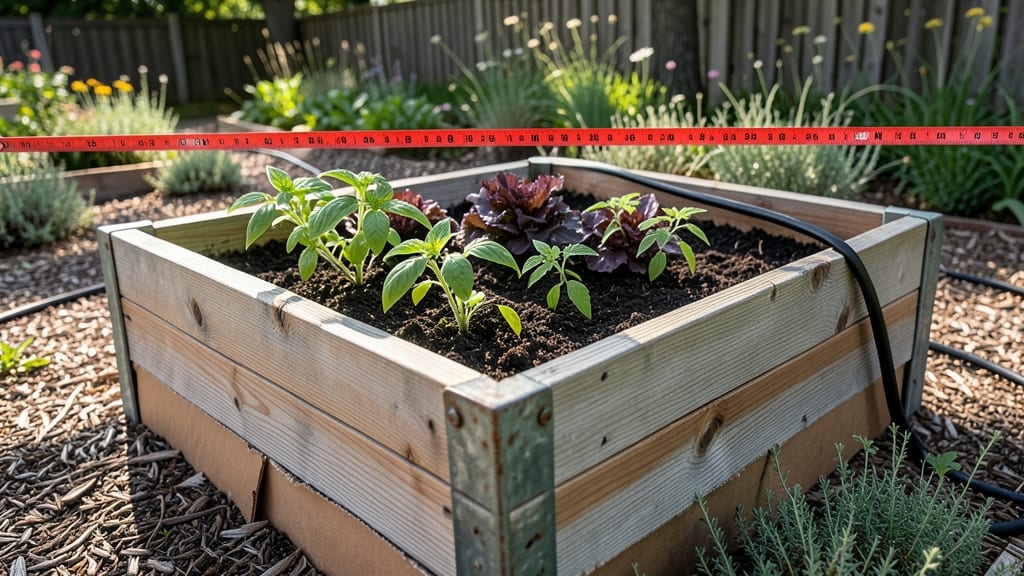
The standard raised garden bed size is 4 feet wide by 8 feet long with heights between 6 to 12 inches, designed to maximize planting space while ensuring easy access from all sides for most gardeners.
These dimensions strike the perfect balance between ergonomics and productivity. 🌱 A 4-foot width lets you reach the center without stepping inside, while the 8-foot length provides ample growing space for a diverse range of plants.
The height range accommodates both knee-level gardening and deeper root systems, though taller beds (12 inches) require extra drainage considerations. Many gardeners find this size ideal for growing everything from leafy greens to small fruiting plants without overcrowding.
What's particularly useful about this size is how it scales with common lumber measurements, making construction straightforward with standard 8-foot boards. You'll also discover that this footprint works exceptionally well for companion planting schemes, where different crops benefit from being grown nearby.
For example, pairing tomatoes with basil or carrots with onions becomes much easier in a well-proportioned bed.
💡 In This Article
- Why 4x8 Feet Is the Optimal Raised Garden Bed Size
- Customizing Raised Bed Dimensions for Specific Plants
Why 4x8 feet is the optimal raised garden bed size
The 4-foot width of standard raised beds is a carefully calculated compromise between accessibility and planting efficiency. Human reach extends about 2 feet beyond the body when standing, meaning a 4-foot width allows you to comfortably tend plants in the center without stepping inside.
This design eliminates the need for awkward stretching, which is especially valuable for gardeners with limited mobility or back issues. The 8-foot length provides enough growing space for diverse plantings while keeping the bed manageable for most gardeners to work around.
Soil volume plays a critical role in this dimension. A 4x8-foot bed with 12-inch height contains approximately 1.33 cubic yards of soil—enough to support a wide variety of plants without excessive compaction. The depth accommodates root systems of most vegetables while preventing soil from drying out too quickly.
For example, tomatoes need about 18 inches of depth, so a 12-inch bed works well with proper soil amendments like compost. The width-to-length ratio also maximizes edge space, where most plant nutrients and microbial activity occur, boosting overall productivity.
Drainage is another key consideration. The standard height prevents waterlogging while allowing excess moisture to drain efficiently through the bottom slats or landscape fabric. A 12-inch bed provides enough depth for proper drainage while keeping the structure lightweight enough for most gardeners to assemble.
The 4x8 footprint also aligns perfectly with standard lumber measurements, making construction cost-effective and straightforward. For instance, using 2x6 or 2x8 boards creates a sturdy frame without requiring custom cuts.
This size accommodates a surprising variety of plants while maintaining balance. A single 4x8 bed can comfortably grow 16-20 tomato plants, 20-30 pepper plants, or 50-60 leafy greens like lettuce and spinach, depending on spacing requirements.
The length allows for companion planting schemes where different crops support each other's growth—like placing nitrogen-fixing beans near heavy feeders such as tomatoes. The width ensures you can easily reach every plant without crowding, reducing the risk of disease spread from overcrowded conditions.
Ergonomics also factor into why this size is so widely adopted. Studies show that most adults can comfortably reach 24-30 inches from their body's center, making a 4-foot bed the sweet spot for accessibility.
Taller beds (12 inches) require slightly more effort to maintain but offer better drainage and root space for deeper crops like carrots or potatoes. The 8-foot length provides enough variety to satisfy most home gardeners while keeping the project manageable for DIY construction.
Consider this practical example: A 4x8-foot bed filled with 12 inches of high-quality soil mix can support a full season's worth of vegetables for a small family. The dimensions allow for 4-foot-long trellises for climbing plants like cucumbers or pole beans, maximizing vertical space.
Meanwhile, the width ensures you can harvest leafy greens like kale or Swiss chard without bending over excessively. This balance between reach, productivity, and material efficiency is why the 4x8-foot size has become the gold standard in raised bed gardening.