
Tools
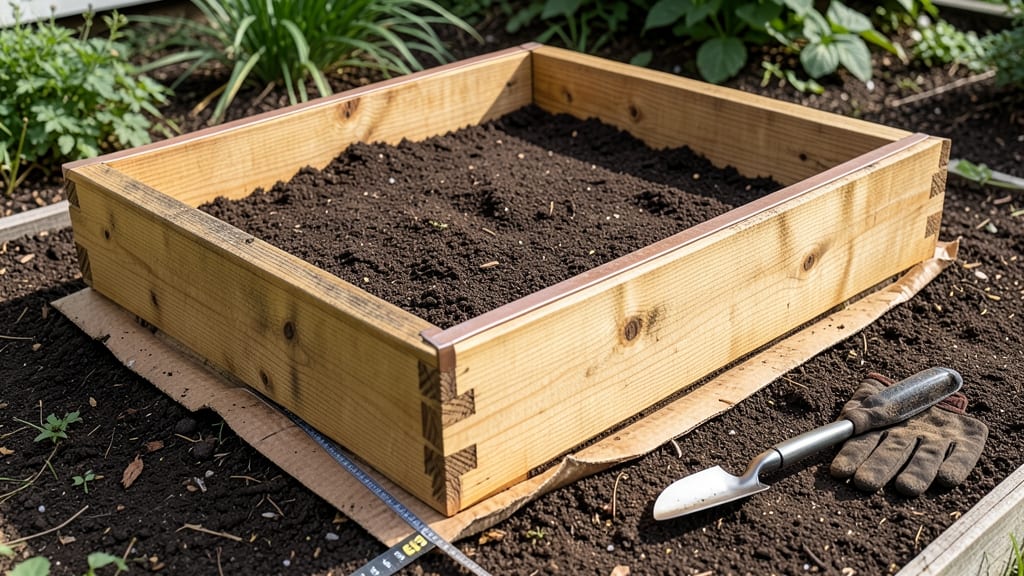
Typical raised garden bed sizes range between 4 feet wide by 8 feet long to accommodate efficient planting and accessibility, with heights of 6 to 12 inches for optimal drainage and root growth. Standard widths allow easy reach from both sides without stepping inside.
The most common raised garden bed dimensions—like 4x8 feet or 4x12 feet—strike the perfect balance between usability and space efficiency. 🌱 These sizes let you stand comfortably on both sides of the bed, reducing back strain while maximizing planting area.
The standard height of 6 to 12 inches also improves drainage and soil warmth, which is especially beneficial for root vegetables and herbs that thrive in well-aerated conditions.
What’s interesting is how these dimensions adapt to different gardening needs—smaller beds (3x6 feet) work well for herbs and salad greens, while larger ones (8x12 feet) are ideal for row crops like tomatoes or zucchini.
The key is matching the bed size to your plants and available space, ensuring you can tend to everything without overreaching.
💡 In This Article
- How Raised Garden Bed Dimensions Impact Plant Growth and Accessibility
- Choosing the Best Raised Bed Size for Your Garden Layout and Plant Types
How raised garden bed dimensions impact plant growth and accessibility
The 4-foot width of standard raised beds is no accident—it’s based on ergonomics and reach. When you stand on either side of a 4-foot-wide bed, your arm can comfortably extend 2 feet inward without straining.
This means you can tend to every inch of the bed while standing upright, reducing the need to kneel or bend, which is especially helpful for those with back issues. 🌱 The 8-foot length extends this reach further, creating a planting area of 32 square feet—enough to grow a surprising variety of vegetables without overcrowding.
Height plays a crucial role in plant health too. Beds that are 6 to 12 inches tall improve drainage by allowing excess water to escape quickly, preventing root rot in moisture-sensitive plants like carrots or radishes.
The elevated soil also warms up faster in spring, giving a head start to cool-season crops like lettuce or peas. Additionally, the height helps suppress weeds by blocking sunlight from reaching the ground, reducing the need for constant weeding.
For example, a 10-inch-tall bed can keep weeds at bay for 30-50% longer than ground-level planting.
Root aeration is another key benefit of raised beds. The soil in elevated beds mixes more easily with air and organic matter, creating a looser, more fertile environment. This is particularly important for root vegetables like potatoes or beets, which need well-drained, oxygen-rich soil to develop properly.
In contrast, ground soil can become compacted over time, restricting root growth. The standard dimensions ensure that even heavy feeders like corn or squash get the space they need to spread their roots without competing for nutrients.
Accessibility isn’t just about reach—it’s also about mobility. A 4x8-foot bed fits perfectly in most backyard spaces and can be positioned near a water source or patio for easy maintenance.
Larger beds, like 4x12 feet, offer even more planting flexibility but may require a lightweight frame for easier mobility if you need to rotate crops or move the bed to optimize sunlight exposure. The height also makes it easier to install drip irrigation or soaker hoses without bending over.
One often-overlooked factor is how bed dimensions affect soil temperature. Dark-colored soil in raised beds absorbs heat more efficiently than ground soil, especially in cooler climates. This can extend the growing season by 2-4 weeks for early spring or late fall plantings.
For instance, a 12-inch-tall bed might reach 60°F in early April when ground soil is still near freezing—a critical difference for heat-loving crops like tomatoes.
For those with limited mobility, adjustable-height beds (with removable legs) can be raised to 24-36 inches, allowing you to tend to plants while seated. This adaptability makes raised beds a versatile choice for all gardeners, regardless of physical limitations.
The standard sizes balance practicality with performance, ensuring you get the most out of your gardening space. 🌿