
Landscaping
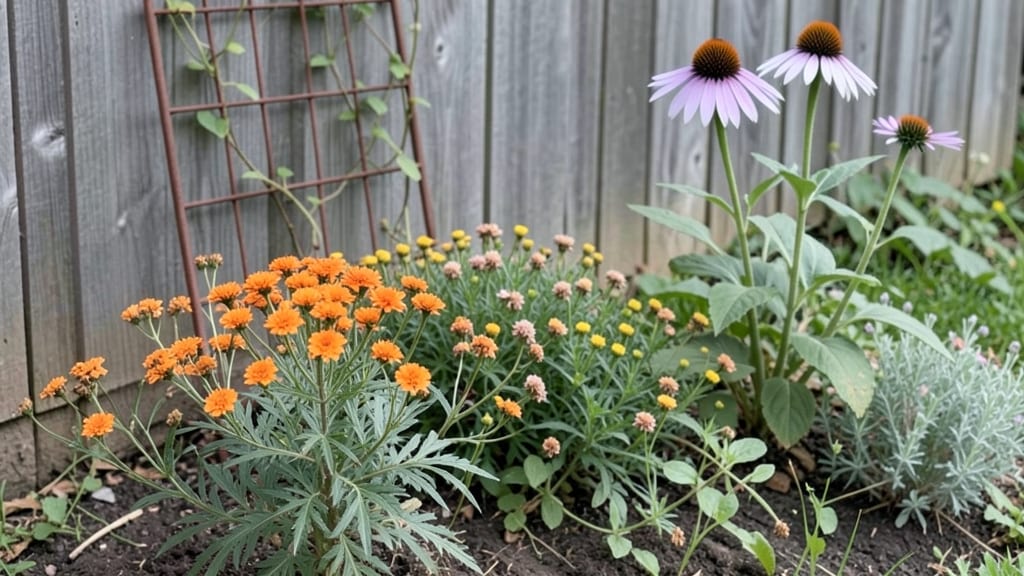
A butterfly garden bed isn’t just pretty—it’s a lifeline for fluttering visitors that’ll make your yard the talk of the neighborhood. 🌸 I designed mine after watching monarchs vanish from my old flowerbeds, and now they hover over swaths of purple, pink, and white blooms from spring through frost.
The secret? Layering plants that bloom in waves so food is always on the menu.
You’ll need sunny space (at least 6 hours daily), native plants (check your region’s top pollinator picks), and a shallow water source like a saucer with pebbles.
Start with a mix of early bloomers like bee balm and columbine, mid-season stars like coneflowers, and late-season asters to keep butterflies lingering. Mulch helps retain moisture, and a few flat rocks give them perches to rest.
By summer, you’ll see swarms of orange, black, and blue wings sipping nectar while their caterpillars munch on host plants like milkweed. The bed stays vibrant because we deadhead spent blooms and avoid pesticides—no chemicals means no empty stomachs.
Even city balconies can host this magic with the right compact plants.
This design works in any climate—just swap heat-loving salvias for cold-hardy phlox in northern zones. The payoff? A front-row seat to nature’s most delicate dancers, plus a garden that thrives with almost no extra work. Let’s get those wings fluttering in!
📚 In This Guide
- What you need
- Instructions
- Tips and common mistakes
- Wrapping up and next steps
What you need
- ● Garden bed location: A sunny spot (6+ hours of sunlight daily) with partial shade options for afternoon heat protection.
- ● Soil: 2–3 cubic yards of well-draining, nutrient-rich soil (amend with compost if needed).
- ○ Optional: 1–2 bags of organic compost (to boost fertility).
- ● Native plants: Choose 10–15 butterfly-attracting perennials (e.g., milkweed, coneflowers, butterfly bush, or black-eyed Susans).
- ● Mulch: 2–3 bags of organic mulch (e.g., wood chips or straw) to retain moisture and suppress weeds.
- ● Tools: Garden shovel or spade
- ● Garden trowel (for transplanting)
- ● Pruners (for shaping plants)
- ● Wheelbarrow (for hauling soil/mulch)
- ● Gloves (to protect your hands)
- ● Watering supplies: Garden hose with adjustable nozzle
- ○ Optional: Drip irrigation kit (for low-maintenance watering).
- ● Decorative elements: Rocks or pebbles (for borders or drainage)
- ● Butterfly feeders (to supplement nectar)
- ● Wind chimes or solar lights (for ambiance)
- ● Pollinator-friendly add-ons: Puddling stations (shallow dishes with water and sand for butterflies to drink)
- ● Host plants (like parsley or dill for caterpillars)
- ● Seasonal blooms: Add annuals (e.g., zinnias or marigolds) for extra color and nectar.
Step-by-step instructions for designing a thriving butterfly garden bed
Creating a pollinator haven is simpler than you think—just follow this structured approach.
🌱 Step 1: Select and Prepare the Garden Site
Choose a sunny location with at least 6 hours of direct sunlight daily—butterflies need warmth to flutter actively. Clear the area of weeds and debris, then loosen the soil to a depth of 6 inches using a garden fork. This improves drainage and root penetration for your future plants.
Butterflies also need shallow water sources—place a shallow dish filled with pebbles and water nearby. The pebbles give them a safe landing spot while they drink. I like to position this near the garden bed's edge so they can easily find it after feeding.
🌿 Step 2: Layer Plants for Continuous Bloom
Start with native perennials as your foundation—they establish quickly and provide long-term nectar. Plant 3-5 milkweed plants (essential for monarchs) spaced 18 inches apart in the center. These deep-rooted plants anchor the bed and attract the first butterflies.
Surround them with annuals and biennials like zinnia, black-eyed Susan, and purple coneflower—these bloom prolifically and fill gaps. I stagger planting times so flowers emerge at different stages, ensuring year-round color. For example, plant early spring bloomers like columbine first, then add summer favorites like butterfly weed.
☀️ Step 3: Add Host Plants and Nectar Sources
Butterflies need host plants for their caterpillars—these are the plants their larvae will eat. Include fennel, parsley, and dill for swallowtails, and goldenrod for painted ladies. These should be planted in small clusters (about 3-5 plants per type) rather than single stems.
For nectar, mix in flat-topped flowers like bee balm and tubular blooms like phlox—different butterfly species prefer different flower shapes. Space these 12-18 inches apart to allow airflow and prevent disease. Here's the thing—avoid pesticides entirely in this bed. Even "organic" sprays can harm butterflies.
✂️ Step 4: Maintain for Year-Round Pollinator Traffic
Water deeply 2-3 times per week during dry spells, focusing on the soil rather than leaves to prevent fungal issues. Butterflies prefer dry perches, so avoid misting foliage. You'll notice them congregating on dry, sun-warmed leaves in the morning—this is their natural behavior.
Deadhead spent blooms monthly to encourage continuous flowering, but leave some seed heads for overwintering caterpillars. In late fall, cut back annuals but leave perennials and milkweed standing—their dried stems provide shelter for beneficial insects.
🪴 Step 5: Enhance with Natural Features
Add flat rocks or bare soil patches—some butterfly species like to bask on warm surfaces. Place a small log or hollow stem near the bed for shelter. I also include a wildflower meadow section (about 2 feet wide) around the perimeter—this mimics their natural habitat and encourages exploration.
Finally, plant scented herbs like lavender and mint at the edges. The fragrance masks human scents while attracting beneficial insects. The key is variety—different textures, heights, and bloom times create a dynamic ecosystem that butterflies can't resist.
Tips & tricks for perfect butterfly garden beds
Between us, the secret to a thriving pollinator haven lies in the details—those small choices that transform a garden into a butterfly magnet. Here's what nobody tells you about creating a truly irresistible habitat.
Sunlight Strategy: While the instructions call for at least 6 hours of sunlight, I've found that full sun (8+ hours) produces dramatically more butterfly activity, especially for species like monarchs and swallowtails. Position your bed where it gets morning sun and afternoon shade if your climate is extremely hot—this prevents heat stress during peak summer hours. Trust me on this: butterflies will reward you with daily visits when they have that perfect sun-warmed perch.
Plant Placement Precision: The 18-inch spacing for milkweed and 12-18 inch spacing for other plants isn't just arbitrary—it creates the perfect balance. Too close together and airflow suffers (leading to fungal issues), too far apart and you lose that natural meadow feel butterflies crave. For the host plants like fennel and dill, I recommend planting them in small clusters of 3-5 plants rather than single stems—this mimics their natural growth patterns and makes them far more attractive to laying females.
Water Source Wisdom: That shallow dish with pebbles is brilliant, but here's the thing: butterflies need multiple water sources throughout your garden. Consider adding a mud puddle (yes, really!) by mixing clay soil with water in a shallow container. Male butterflies gather here to extract minerals—it's their version of a spa day. Place this in partial shade where it stays moist but not soggy.
Seasonal Layering Secret: The instructions mention staggering planting times, but I take this further by creating three distinct layers in my beds: early spring bloomers (like columbine), summer stars (zinnia and butterfly weed), and late-season providers (goldenrod and asters). This ensures you have continuous nectar sources from April through October. Pro tip: plant your late-season flowers slightly closer to the center where they'll get morning sun and afternoon shade as summer progresses.
Pro Tips for Butterfly Garden Bed
- Between us, the secret to a thriving pollinator haven lies in the details—those small choices that transform a garden into a butterfly magnet.
- Sunlight Strategy: While the instructions call for at least 6 hours of sunlight, I've found that full sun (8+ hours) produces dramatically more butterfly activity, especially for species like monarchs and swallowtails.
- Plant Placement Precision: The 18-inch spacing for milkweed and 12-18 inch spacing for other plants isn't just arbitrary—it creates the perfect balance.
Frequently asked questions
Got questions about creating your own butterfly garden bed? You’re not alone! Here are answers to the most common queries to help you design a thriving pollinator paradise with confidence.
What’s the best time of year to plant a butterfly garden bed?
The ideal time to plant is early spring (after the last frost) or early fall (4-6 weeks before the first frost). This gives plants time to establish roots before extreme weather. If you’re in a mild climate, you can plant year-round—but avoid freezing temperatures! Start with fast-growing annuals like cosmos or zinnias for instant color.
Will a butterfly garden bed attract pests like mosquitoes or stink bugs?
Not necessarily! A well-designed butterfly garden focuses on native, nectar-rich flowers (like milkweed for monarchs) and avoids stagnant water—key mosquito breeding grounds. Stink bugs may visit, but they’re less of an issue than in vegetable gardens. Plant marigolds or basil nearby to deter pests naturally.
How much does a butterfly garden bed cost to start?
Costs vary widely! A basic setup (seeds, soil amendments, and a few plants) can run $50–$150, while a premium design (perennials, mulch, and decorative stones) may cost $200–$500+. Prioritize native plants—they’re budget-friendly and low-maintenance. Check local nurseries for discounts on pollinator-friendly species!
Can I use containers or raised beds for a butterfly garden?
Containers and raised beds work great for small spaces or urban gardens. Choose deep pots (at least 12 inches) with drainage holes, and fill with lightweight, well-draining soil. Opt for compact varieties like lantana, butterfly bush, or dwarf milkweed. Just ensure they get 6+ hours of sun daily.
How do I keep my butterfly garden alive in winter?
Most butterfly gardens don’t need winter care—native perennials (like coneflowers or bee balm) die back naturally and regrow in spring. For tender annuals, mulch heavily (3–4 inches) to protect roots. Leave seed heads standing—they provide food for overwintering insects! In cold climates, consider evergreen shrubs (like butterfly weed) for year-round interest.
What do I do if butterflies aren’t visiting my garden?
First, check for nectar sources (flat-topped flowers like asters or purple coneflower work best). Ensure plants are blooming—some need deadheading. Add a shallow water source (like a mud puddle or damp sponge) for hydration. If pests (like aphids) are present, they might be deterring butterflies. Try neem oil or introduce ladybugs for organic pest control.
Wrapping up and next steps
Creating a butterfly garden bed is more than just a landscaping project—it’s a celebration of nature’s beauty and a gift to pollinators! 🌸 With the right plants, design, and care, you’ll transform your space into a vibrant haven that thrives year-round.
Whether you’re a seasoned gardener or just starting, every bloom and flutter makes the effort worthwhile.
Ready to take the next step? Start small—even a single butterfly-friendly bed can make a difference. Sketch your design, gather your supplies, and watch your garden come alive with color and life! Happy planting! 🌿✨