
Flowers
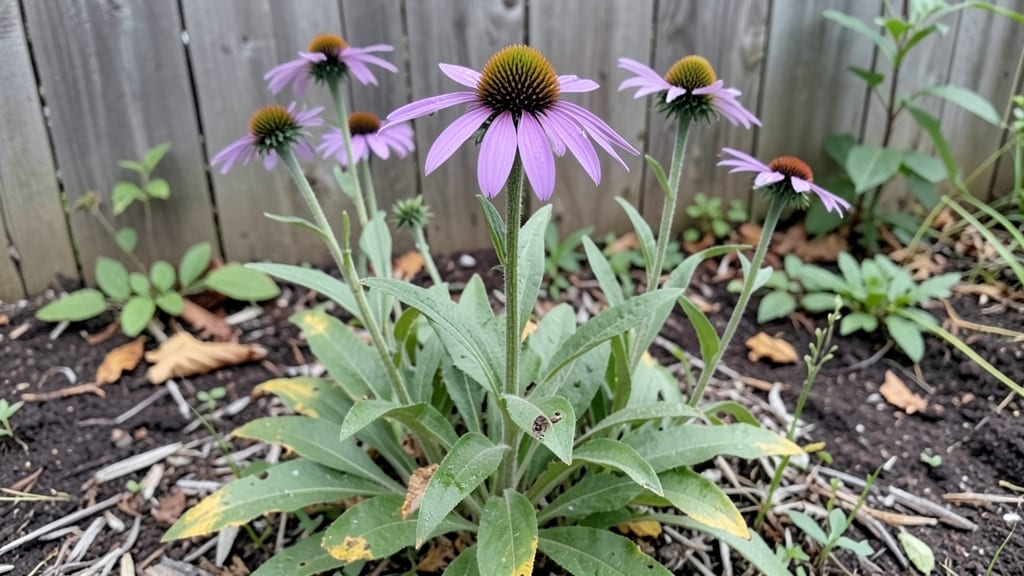
A vibrant coneflower flower bed 🌼 can turn your yard into a pollinator paradise with minimal effort once you know the right tricks.
Picture this: your garden humming with bees and butterflies, blooms stretching from spring through fall, and zero fuss after the first year.
That’s the magic of layering coneflowers with the right companions—think tall grasses framing purple blooms, early spring bulbs popping before the coneflowers take over, and late-season asters keeping color going until frost.
Most gardeners stop at planting coneflowers and wonder why their bed looks flat or dies back by midsummer. The secret? Smart layering—mixing heights, bloom times, and textures so there’s always something interesting happening.
I’ll show you exactly how to stack plants for year-round appeal, even in Zone 6a where winters test your greenery.
By the end, you’ll have a step-by-step plan for spacing, color combos, and low-maintenance upkeep that keeps your coneflower display thriving with less work and more impact. Let’s get started.
How to layer coneflowers for maximum impact in flower beds
Creating a stunning coneflower flower bed goes beyond simply planting these hardy perennials. The secret lies in strategic layering—combining plants by height, bloom time, and foliage texture to create depth and year-round interest.
Coneflowers (like Echinacea purpurea) naturally thrive in full sun and well-drained soil, making them perfect anchors for layered designs that attract pollinators while minimizing maintenance.
When I design my coneflower beds, I start by visualizing three distinct layers: tall backdrops, mid-height accents, and low-growing fillers. This approach ensures no space is wasted, and every season—from spring bulbs to fall grasses—has something to offer.
The key is balancing color contrasts (like purple coneflowers with silver foliage) and bloom sequences so your garden never looks bare.
For the backdrop layer, I always include tall coneflowers (3-5 ft) alongside Joe Pye weed or culver's root to create a dramatic vertical element. These plants thrive in full sun and dry conditions, mirroring coneflowers' needs.
Place them at the northern edge of your bed to avoid shading shorter plants while maximizing their height impact.
In the mid-height layer, I focus on textural contrast—pairing silver-blue Russian sage with deep purple bee balm to complement coneflowers' rusty-brown cones. This layer should bloom 2-4 weeks before or after coneflowers to extend your garden's seasonal color.
For example, plant catmint in early spring to bridge the gap between spring bulbs and summer coneflowers.
Ground level is where foliage variety shines. I mix creeping thyme (for fragrant pathways) with succulent sedum to add year-round structure. These low growers also suppress weeds, reducing mulching needs.
Pro tip: Use golden sedum ('Autumn Joy') to echo coneflowers' warm color palette while adding winter interest with its papery seed heads.
To create seasonal transitions, I add spring bulbs like daffodils or tulips in the foreground. Their early blooms fade just as coneflowers begin their summer display, ensuring no bloom gaps.
For fall, I tuck in ornamental grasses like little bluestem, which turn copper-red and sway dramatically when coneflowers' petals drop.
Color theory plays a crucial role in cohesive designs. Pair purple coneflowers with silver foliage (like lamb's ear) to create a cool contrast, or combine them with warm oranges (like black-eyed Susans) for a sunny vibe.
I avoid planting monochromatic schemes—mixing two complementary hues (e.g., purple + yellow) makes coneflowers pop while attracting more pollinators.
When arranging, I follow the 70-30 rule: 70% of your bed should be perennials (like coneflowers) for structure, while 30% can
Best companion plants for coneflowers in year-round gardens
Coneflowers Echinacea are the stars of any pollinator-friendly garden, but their true magic unfolds when paired with the right neighbors. The key is selecting plants that share similar sunlight and soil preferences while offering contrasting textures and bloom times.
This creates a year-round display that keeps your garden buzzing with activity and visually stunning.
I’ve found that the most successful coneflower flower beds combine drought-tolerant perennials, ornamental grasses, and seasonal bloomers to bridge gaps between coneflower’s mid-summer peak. For example, pairing purple coneflowers with white Russian sage creates a striking color contrast, while goldenrod extends the fall interest.
Let’s explore the best companions for your low-maintenance garden.
🌱 Top Companion Plants for Coneflower Flower Beds
-
Ornamental Grasses
Little Bluestem, Switchgrass, Feather Reed Grass
Adds movement and winter interest; thrives in full sun and dry soil. -
Spring Bulbs
Daffodils, Allium, Bluebells
Blooms early spring before coneflowers emerge; deer-resistant and low-maintenance. -
Native Wildflowers
Black-Eyed Susan, Butterfly Weed, Coneflower varieties
Attracts pollinators and extends bloom season; drought-tolerant once established. -
Perennial Herbs
Lavender, Russian Sage, Catmint
Repels pests naturally; silver foliage contrasts purple blooms beautifully. -
Annual Fillers
Zinnias, Cosmos, Snapdragons
Fills gaps in early summer; self-seeding for continuous color.
Pro Tip: Group plants by height—tall grasses and coneflowers at back, mid-height perennials in center, and low bulbs/annuals at front.
When designing your coneflower flower bed, prioritize plants that thrive in well-draining soil and full sun, as these conditions mirror coneflowers’ ideal growing environment.
For instance, Russian sage not only complements coneflowers with its lavender-blue spikes but also shares their drought tolerance, making it a perfect partner for xeric landscapes.
I’ve noticed that native wildflowers like black-eyed Susans and butterfly weed create a naturalistic look while extending the bloom season. These plants also support local pollinators, turning your garden into a thriving ecosystem.
For a pop of early color, tuck daffodils or alliums around the base of your coneflowers—their spring blooms will fade just as the coneflowers begin to shine.
Don’t overlook the power of ornamental grasses like little bluestem or switchgrass. Their arching forms and seasonal color changes add movement and texture to the bed. In fall, the grasses turn rusty red, creating a stunning contrast with coneflowers’ persistent seed heads.
This combination ensures your garden remains visually dynamic even after the main blooms have faded.
For a low-maintenance approach, I recommend sticking to perennial pairings that require minimal intervention. Most of these companions are self-sustaining once established, meaning you’ll spend less time weeding and more time enjoying your garden.
Just remember to mulch annually to retain moisture and suppress weeds—this simple step can make all the difference in a drought-prone climate.
With the right companions, your coneflower flower bed will become a year-round showstopper, attracting butterflies, bees, and birds while keeping your garden looking fresh and inviting. Start small, experiment with a few pairings, and let your garden evolve naturally over time. 🌼