
Container Gardens
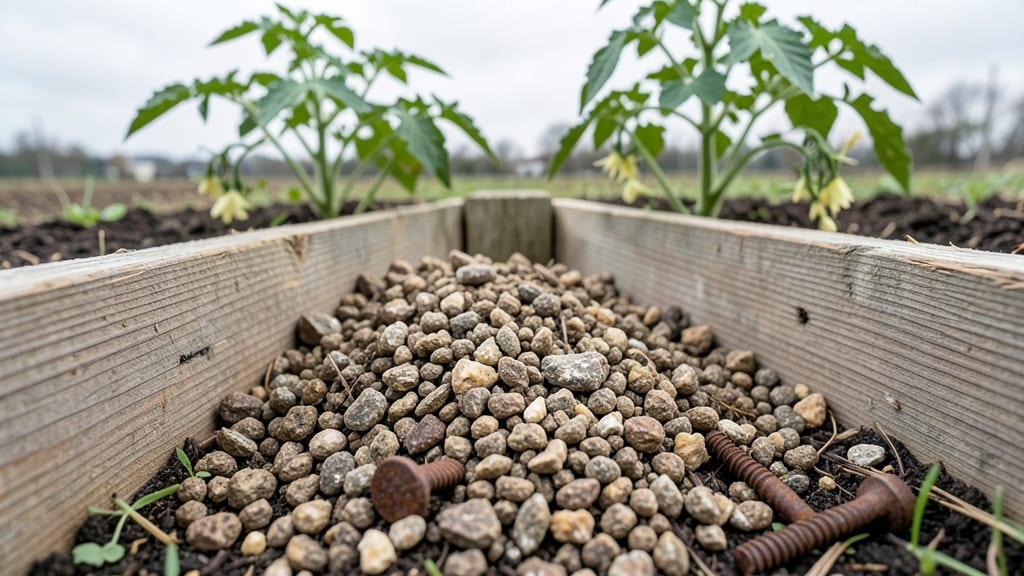
The cost to make a raised garden bed typically ranges from $100 to $1,500, with lumber choices driving most of the variation. Untreated wood starts at $50–$200, while cedar or redwood can reach $200–$600, and composite materials push costs to $400–$1,000. Additional expenses for soil, liners, and fasteners usually add $50–$300, but DIY kits often reduce total costs by up to 30% compared to pre-assembled options.
The biggest cost factors are the wood type and soil quality. 🌱 Untreated lumber is budget-friendly but requires sealing, while cedar resists rot naturally—making it a smarter long-term investment despite the higher upfront cost.
I’ve found that skipping the liner (if your soil drains well) can save $20–$50, and using locally sourced topsoil often cuts costs by 40% compared to bagged mixes.
For example, a 4x8-foot bed with cedar framing and 12 inches of compost-enriched soil might run $600–$800, but the same size with pressure-treated lumber and basic garden soil drops to $300–$400.
💡 In This Article
- Raised Garden Bed Material Cost Breakdown
- Budget-Friendly Raised Garden Bed Construction Tips
Raised garden bed material cost breakdown
The core cost drivers in raised bed construction revolve around wood selection and soil quality. Pressure-treated lumber costs $1.50–$3.00 per board foot—ideal for durability but requires sealing to prevent chemical leaching.
Cedar and redwood, at $3.50–$6.00 per board foot, resist rot naturally but command premium pricing due to their aromatic oils and longevity. Composite lumber, though $7.00–$12.00 per board foot, eliminates maintenance entirely with its synthetic polymer construction.
Soil expenses vary dramatically based on composition. Basic topsoil runs $10–$20 per cubic yard, while premium compost blends (50% compost, 30% topsoil, 20% perlite) cost $25–$40 per cubic yard. A 4x8-foot bed filled to 12 inches needs ~1.5 cubic yards—soil alone could cost $30–$120.
Regional differences matter too: Pacific Northwest lumber prices average 20% higher than Southern states due to transportation costs, while Midwest gardeners often pay less for locally sourced topsoil.
Hardware choices impact both cost and stability. Galvanized screws ($0.20–$0.50 each) outperform staples but rust over time, while stainless steel ($0.75–$1.50 each) lasts decades. Corner brackets add $5–$15 each but prevent frame warping—a critical factor for beds wider than 4 feet.
Skimping on hardware risks structural failure, especially in freeze-thaw climates where wood expands and contracts.
Liner selection affects drainage and weed control. Landscape fabric ($0.50–$1.50 per square foot) allows water through while blocking roots, while hardware cloth ($1.00–$2.50 per square foot) offers rodent protection but requires cutting drainage holes.
For most vegetable gardens, fabric suffices—though in high-rodent areas, the extra $50–$100 for hardware cloth prevents root damage to crops like carrots and potatoes.
Bulk purchasing unlocks significant savings. Buying 8-foot lumber instead of 4-foot pieces cuts waste by 50%, and ordering from regional mills often reduces costs by 10–15%. For soil, contacting local compost facilities or municipal green waste programs can halve costs—some even give away compost if you haul it away.
The key is balancing upfront savings with long-term performance: cedar may cost twice as much as pressure-treated wood initially but lasts 15–20 years without replacement.
Here's a quick comparison of material costs for a 4x8-foot bed:
- Pressure-treated lumber: $150–$250 (8 boards @ $1.90/board foot)
- Cedar lumber: $300–$500 (8 boards @ $3.75/board foot)
- Composite lumber: $500–$800 (8 boards @ $6.25/board foot)
- Soil (1.5 cu yds): $30–$120 (topsoil vs compost blend)
- Hardware: $20–$50 (screws + brackets)
- Liner: $20–$100 (fabric vs hardware cloth)
The material choices you make directly impact both your wallet and your garden's health. Cedar's natural resistance to rot means fewer replacements over time, while composite materials eliminate staining and warping entirely—though at a premium.
For budget-conscious gardeners, pressure-treated wood paired with homemade compost offers the best balance of affordability and functionality.