
Tools
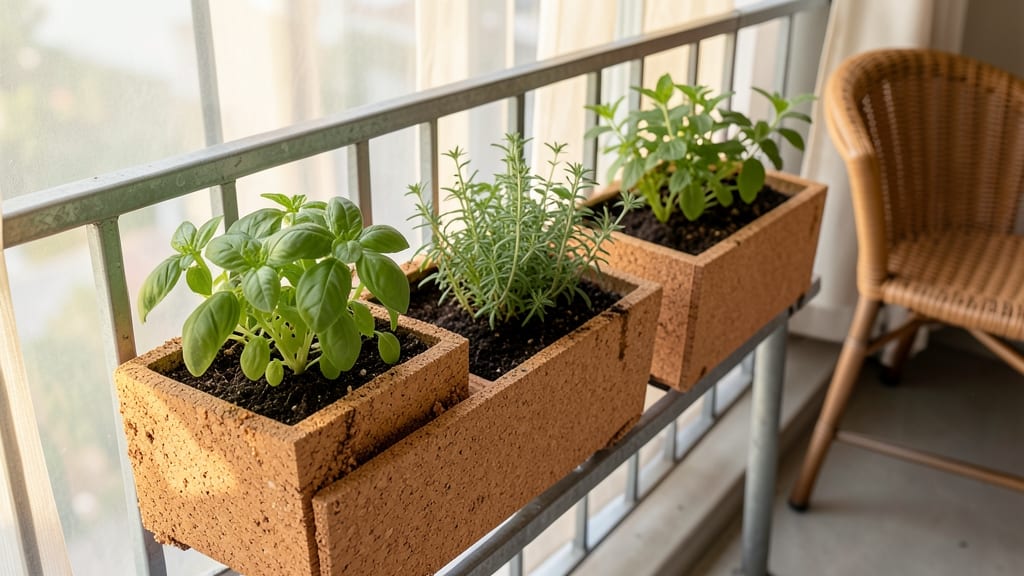
Transform your gardening space with these 10 elevated garden bed designs that solve drainage issues while extending growing seasons. Perfect for small spaces, poor soil, or year-round planting ambitions.
Cedar Wood Raised Planters With French Drainage
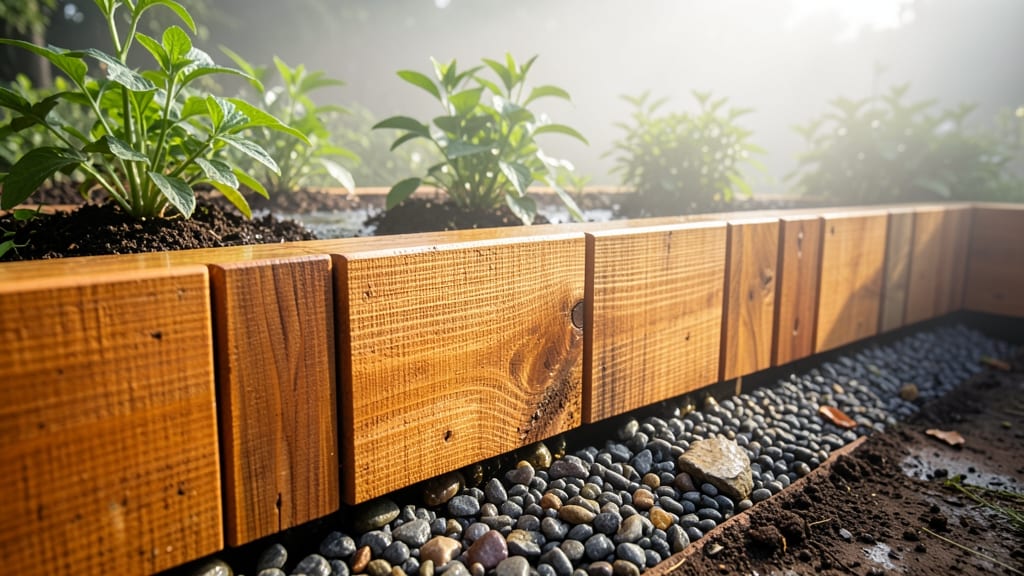
Tired of soggy soil ruining your plants? Cedar wood raised planters with French drainage combine natural beauty with smart engineering to keep roots happy and healthy—no chemicals required.
These beds feature gravel-filled drainage layers along the bottom or sides, mimicking a French drain system to redirect excess water. The cedar wood itself resists rot and deters pests naturally, making it perfect for organic gardens. Simply line the bottom with landscape fabric, add a 4-6 inch gravel layer, then fill with your soil mix. The result? Roots stay aerated, and waterlogging becomes a thing of the past.
This design is especially great for organic gardeners who want long-term durability without synthetic treatments. Plus, the warm wood tones add rustic charm to any yard. 🌱
Galvanized Steel Planters With Perforated Base
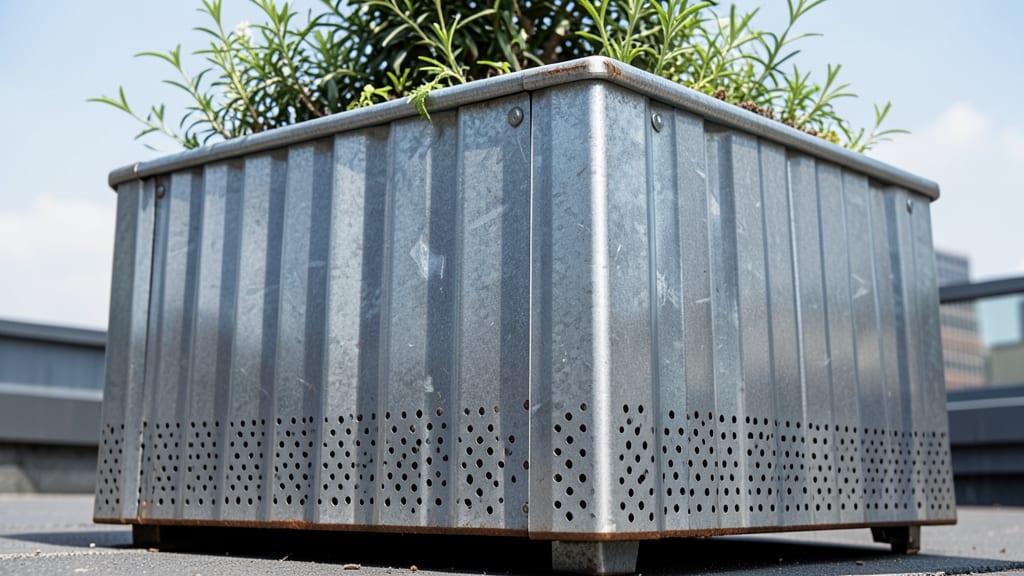
If you need a garden bed that outlasts trends—and squirrels—galvanized steel planters are your answer. These industrial-strength beds resist rust, won’t warp, and shrug off gnawing wildlife, making them ideal for urban rooftops or high-traffic areas.
The perforated base is the game-changer: excess water drains instantly, preventing root rot while keeping soil aerated. Fill them with herbs, lettuce, or strawberries—anything that thrives in well-draining conditions. Their sleek, modern look also doubles as a statement piece on patios or balconies.
Perfect for renters or city dwellers who want low-maintenance durability without sacrificing style. Just add soil and plants—no staining, no rot, and no excuses for poor drainage. 💡
Recycled Pallet Wood Planter Boxes
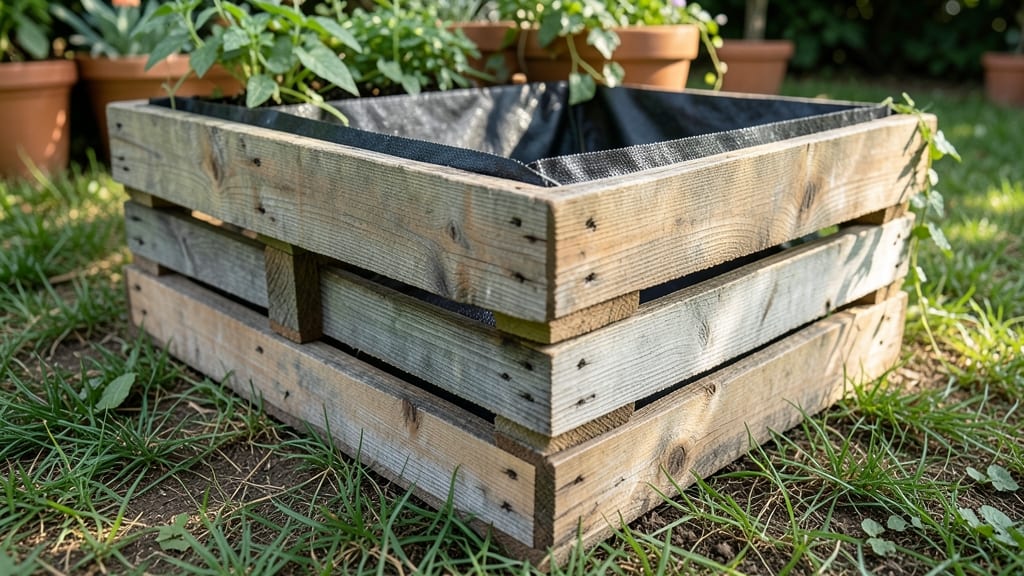
Skip the store-bought planters and turn pallets into planters—this zero-cost solution transforms discarded wood into functional, mobile garden beds. Perfect for renters or gardeners who want flexibility without breaking the bank, these boxes can be moved, rearranged, or even disassembled when needed.
Start by disassembling clean, untreated pallets (avoid chemically treated wood) and sanding rough edges. Line the bottom with landscape fabric to prevent soil loss, then fill with a lightweight potting mix for optimal drainage. Place on cinder blocks or bricks for elevation and airflow. These beds excel with fast-growing crops like lettuce, herbs, or cherry tomatoes, which thrive in the warm soil that heats up quickly.
This project is ideal for beginners or anyone with limited space—just add wheels or glides to make them even more mobile. You’ll create a stylish, sustainable garden that tells a story of upcycling. 🌱
Modular Plastic Crate Systems With Drainage Holes
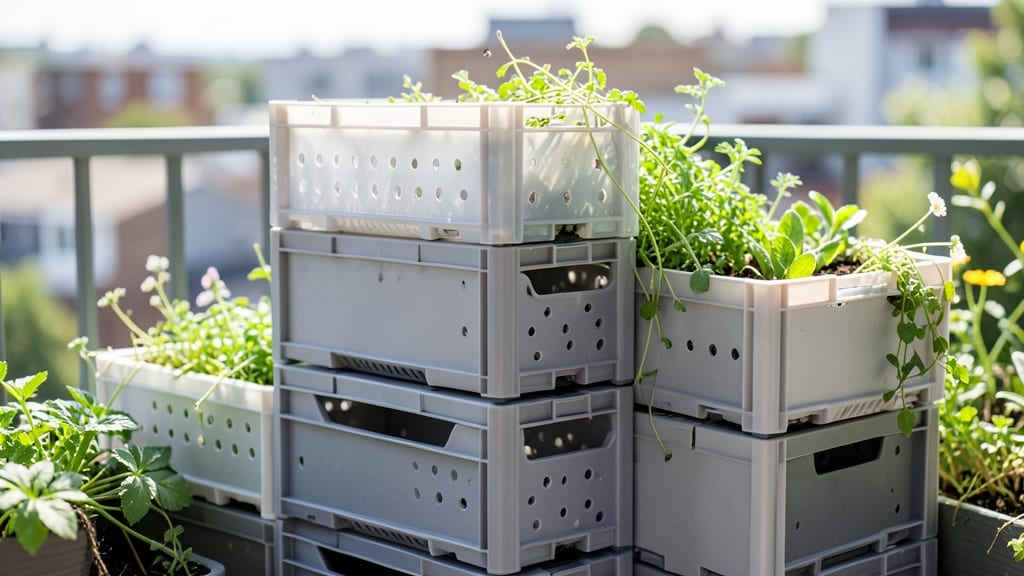
Say goodbye to bulky, permanent garden beds—modular plastic crate systems let you design a garden that moves with you. These interlocking, stackable units snap together like puzzle pieces, creating custom shapes that fit any space, from balconies to backyards.
Each crate features pre-drilled drainage holes at the bottom, preventing waterlogged roots while keeping soil lightweight. The lightweight plastic makes them easy to rearrange or disassemble when you need to store them over winter or move to a new home. Fill with container-friendly crops like herbs, lettuce, or strawberries for a high-yield, low-effort harvest.
This system is a lifesaver for renters or seasonal gardeners—no heavy lifting, no permanent installation, and no wasted space. Just snap, plant, and grow! 🌻
Stone Bordered Raised Beds With Gravel Base
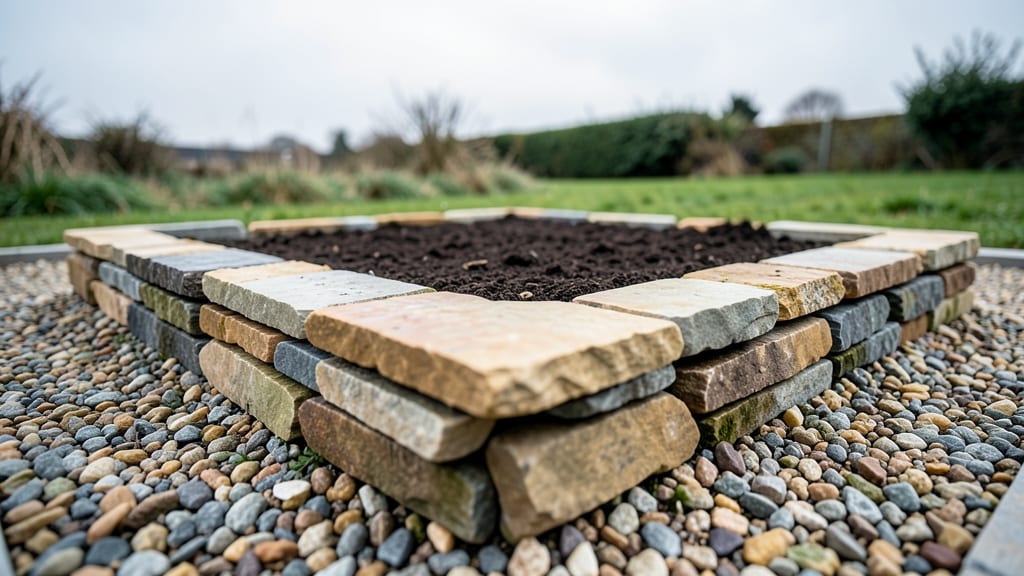
Want a garden bed that looks timeless and handles heavy rains like a pro? Stone-bordered raised beds with a gravel base combine rustic charm with smart drainage—no more soggy roots or eroding soil.
Start by laying flat stones (like flagstone or river rocks) around the perimeter to create a permanent border that resists erosion from rain or foot traffic. Below the soil, add a 4-6 inch layer of gravel or crushed stone to create a drainage layer that prevents waterlogging. This setup is perfect for acid-loving plants like blueberries or rhododendrons, which thrive in well-draining, slightly acidic soil. The stones also add a natural, woodland aesthetic that blends seamlessly into any landscape.
This design is ideal for gardeners who want long-term durability without the upkeep of wood or the maintenance of metal. Plus, the gravel base helps regulate soil temperature, keeping roots cool in summer and insulated in winter. 🌿
Hanging Fabric Pocket Planters With Drip Irrigation
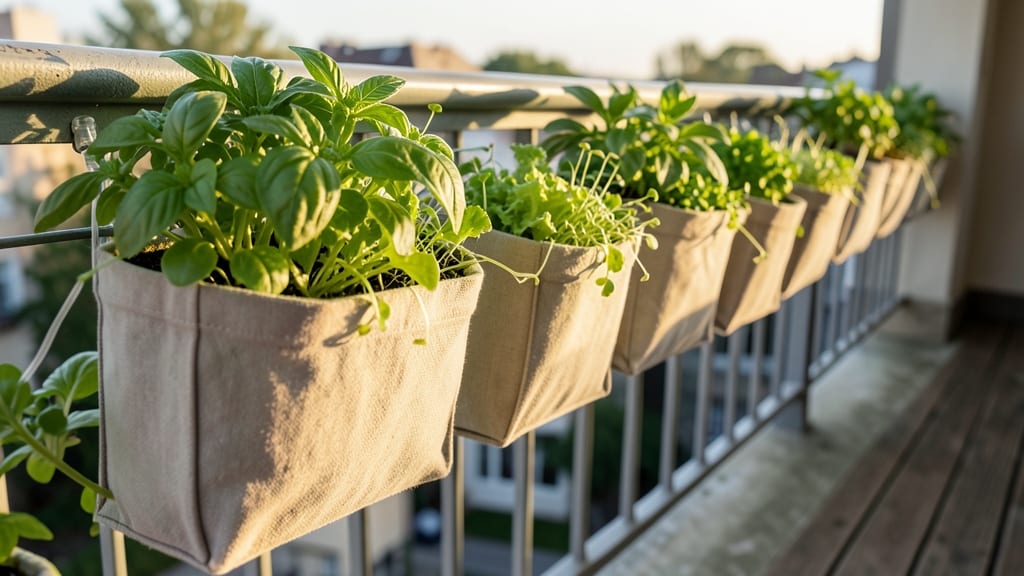
Turn your balcony or patio into a year-round herb garden without sacrificing square footage—hanging fabric pocket planters with drip irrigation are the ultimate space-saver for urban gardeners. These lightweight, modular pockets attach to walls or railings, letting you grow basil, lettuce, or microgreens in just 6-12 inches of space while keeping roots perfectly hydrated.
The secret to their success lies in the built-in drip irrigation system, which delivers water directly to each pocket on a timer, preventing overwatering and root rot. Use a lightweight potting mix designed for containers, and choose fabric pockets with UV protection to extend their lifespan. Perfect for small spaces or renters, these planters can be rearranged seasonally—swap out herbs for salad greens in cooler months or trailing flowers in summer.
This system is ideal for anyone who wants fresh greens at arm's reach without the hassle of traditional beds. Plus, the vertical design adds a modern, functional aesthetic to any outdoor space. 🌿
Composite Lumber Planters With Built-In Overflow
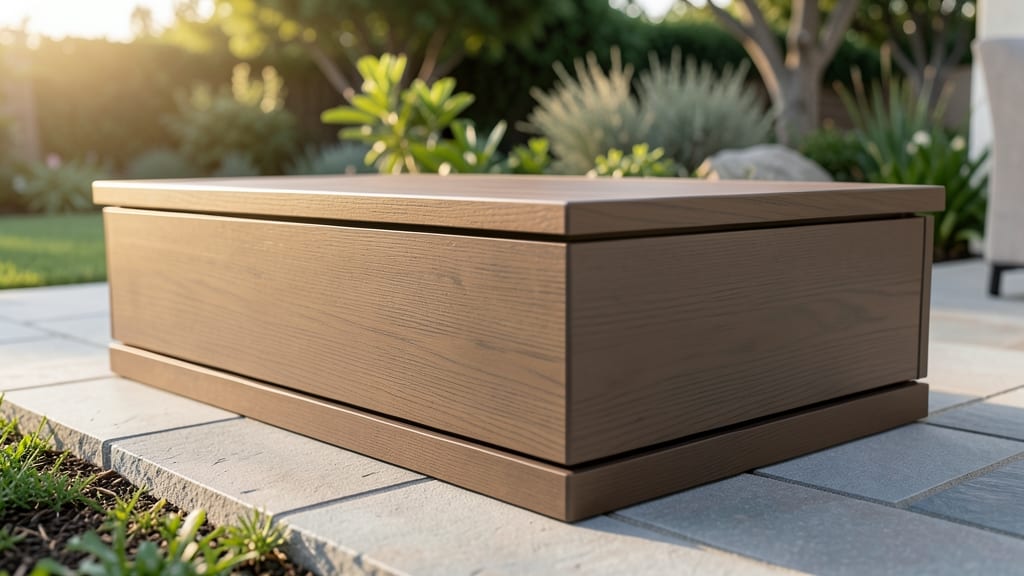
Want a patio garden bed that looks like wood but never rots, stains, or warps? Composite lumber planters with built-in overflow channels solve all three problems while keeping your foundation dry.
These beds combine the aesthetic of cedar or pine with the durability of plastic, eliminating the need for sealing or staining. The secret weapon is the overflow channel—a built-in groove that catches excess water and redirects it away from your patio edges, preventing erosion and water damage. Simply place the bed on a flat surface, fill with soil, and let the drainage system do the work.
Perfect for modern patios or balconies, these beds are low-maintenance, pest-resistant, and ideal for containers that need to last for years. No more worrying about splinters or rot—just beautiful, functional gardening. 💚
Tiered Wooden Planters For Slope Gardens
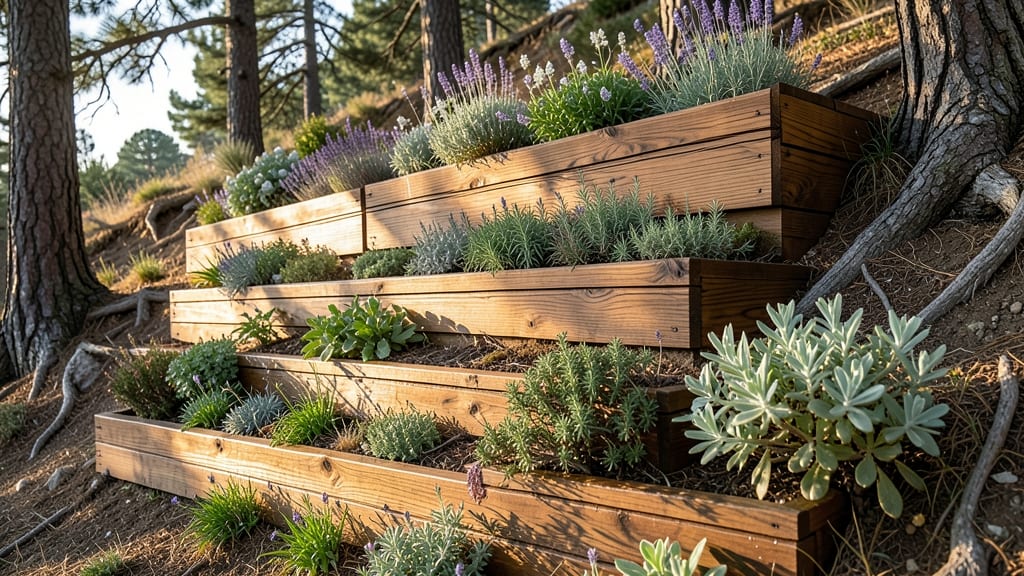
Turn your tricky hillside into a thriving garden with tiered wooden planters—the secret weapon for slopes. These multi-level designs stabilize soil while creating perfect growing zones for different plants, all while preventing erosion that plagues traditional sloped gardens.
Each tier drains independently, so you can plant drought-tolerant lavender on the top (where it gets the most sun) alongside moisture-loving mint in the lower levels. The independent drainage means no soggy roots or wasted water—just happy plants. Build them with pressure-treated lumber (for longevity) or cedar (for natural rot resistance), and space tiers 12-18 inches apart for easy access and airflow.
This system is a game-changer for landscapers, permaculture enthusiasts, or anyone with a sloped yard—no more struggling with erosion or uneven planting zones. Just add plants, water, and watch your hillside transform into a productive, picturesque garden. 🌿
Concrete Planters With Internal Drainage Channels
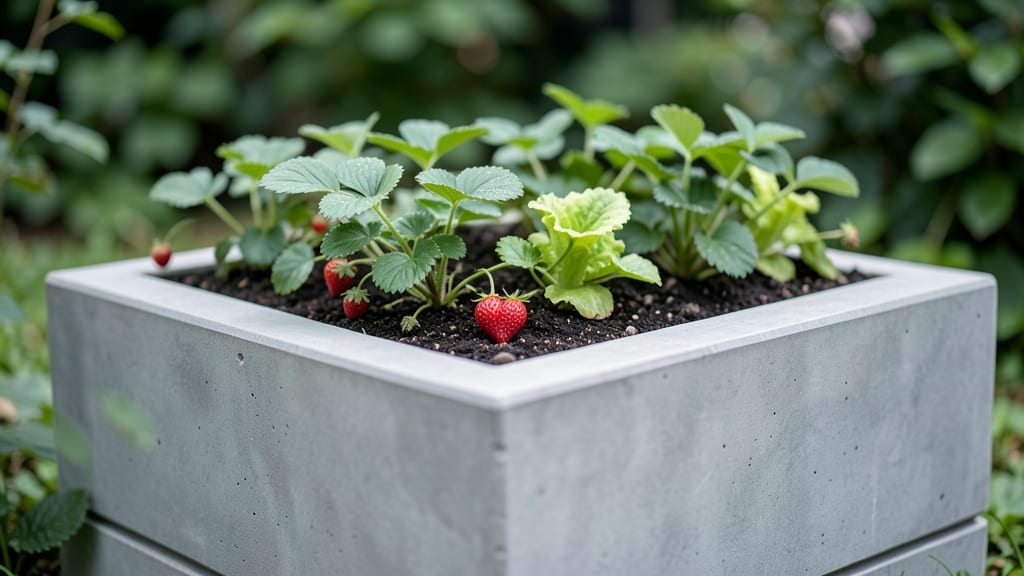
For gardeners who love modern aesthetics and need to grow heat-sensitive crops like strawberries or lettuce, concrete planters with internal drainage channels are the ultimate solution. These beds combine industrial durability with climate-smart growing conditions, keeping roots warm in winter and cool in summer while preventing waterlogging.
The secret lies in their built-in drainage channels, which run along the bottom and sides of the planter. These channels redirect excess water away from roots while maintaining soil warmth—critical for crops that struggle in fluctuating temperatures. Simply fill with a well-draining soil mix (like 60% compost, 30% coconut coir, and 10% perlite) and plant your favorites. The smooth concrete surface also makes cleaning up spills effortless.
This design is perfect for urban gardeners with limited space or those who want a low-maintenance, long-lasting solution. The neutral gray tones blend seamlessly with modern farmhouse or minimalist landscapes, while the temperature regulation ensures your plants thrive year-round. 💪
DIY Corkboard Planters For Small Spaces

Balcony gardening just got a sustainable upgrade with DIY corkboard planters—the eco-friendly solution that’s as lightweight as it is stylish. Made from 100% recycled cork, these planters naturally regulate moisture, keeping roots hydrated without the risk of overwatering or soggy soil.
Start by cutting corkboard sheets into your desired planter shape (rectangular or square works best) and lining the bottom with a landscape fabric layer to prevent soil loss. The cork’s natural porosity allows excess water to evaporate while retaining just enough moisture for plants like succulents, herbs, or shallow-rooted veggies. Secure the edges with zip ties or screws, then fill with a lightweight potting mix. These planters are perfect for balconies, windowsills, or small patios—their lightweight design won’t strain railings or decks.
This is the ideal choice for urban gardeners who prioritize sustainability without sacrificing functionality. Plus, the natural cork aesthetic adds a modern, earthy touch to any small-space garden. 🌱