
Landscaping
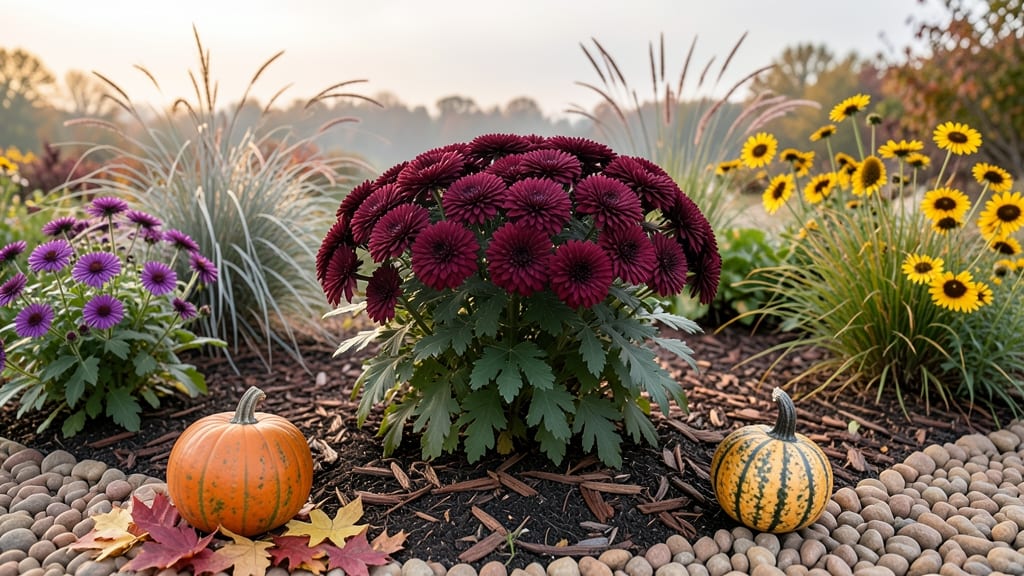
Creating a fall flower bed design with cold-hardy purple spikes transforms your yard into a cozy autumn showcase. 🌿 I learned this after struggling with beds that faded by October—until I discovered the right mix of late-season bloomers and evergreen textures.
The secret isn't just purple flowers; it's layering plants that thrive as temperatures drop, from deep purple asters to silvery ornamental grasses that catch the light.
Start with 3-5 inches of compost mixed into your soil to feed roots through winter. Choose plants that handle frost: chrysanthemums in rich burgundy, Russian sage for airy purple plumes, and sedum for its jewel-toned clusters.
These plants stay vibrant even when temperatures dip, and their varied heights create natural depth. Mulch with 2-3 inches of shredded bark to protect roots and keep weeds at bay—this single step cuts maintenance by half.
By late November, your bed will still buzz with activity: bees on asters, birds fluffing grasses, and the rich scent of woody stems. The purple tones hold strong until first frost, then the dried seed heads add winter interest.
This isn't just a fall display—it's a low-maintenance foundation that looks intentional year-round, even when everything else sleeps.
Works in full sun or partial shade, and adapts to containers if space is tight. The same principles apply whether you're refreshing an existing bed or starting fresh. Here's how to make it happen without the guesswork—step by step.
📚 In This Guide
- What you need
- Instructions
- Tips and common mistakes
- Wrapping up and next steps
What you need
- ● Cold-hardy plants: Purple coneflowers (Echinacea purpurea) – 5-7 plants
- ● Black-eyed Susans (Rudbeckia hirta) – 3-5 plants
- ● Russian sage (Perovskia atriplicifolia) – 3 plants
- ● Asters (Symphyotrichum spp.) – 4-6 plants
- ● Sedum (Sedum spp.) – 3-5 plants (for texture)
- ● Soil amendments: Compost (5-10 lbs per 10 sq ft)
- ● Organic mulch (2-3 inches, shredded bark or straw)
- ● Watering supplies: Hose with adjustable nozzle or watering wand
- ○ Drip irrigation kit (optional but recommended for efficiency)
- ● Garden trowel or spade
- ● Pruning shears (for shaping and cleanup)
- ● Garden gloves (heavy-duty for mulching)
- ● Measuring tape (for layout planning)
- ● Wheelbarrow (for hauling soil/mulch)
- ● Knee pads (because gardening is hard on the knees!)
- ● Decorative stones or gravel (for borders or pathways)
- ● Fertilizer (slow-release, 10-10-10 blend)
- ● Plant markers (to label varieties)
- ● Solar-powered garden lights (for evening ambiance)
- ● Rain gauge (to monitor watering needs)
Step-by-Step instructions for designing a fall flower bed
Here's how I create a vibrant fall display that thrives through winter's chill.
🌿 Step 1: Choose Cold-Hardy Purple Plants for Year-Round Interest
Select plants with deep purple foliage and flowers that thrive in cooler temperatures. I always include Russian sage (Perovskia atriplicifolia) for its airy purple spikes that last through frost, plus heuchera varieties like 'Palace Purple' for striking foliage contrast. Add sedum like 'Autumn Joy' for late-season color and drought tolerance—its warm tones complement the purples beautifully.
For texture, incorporate ornamental grasses such as miscanthus or fountain grass in shades of purple or burgundy. These grasses provide movement and structure while requiring minimal care. I like to mix in evergreen shrubs like dwarf boxwood or inkberry holly to anchor the design and maintain color when other plants fade.
✂️ Step 2: Prune and Prepare Existing Plants
Before adding new plants, inspect your existing flower bed for dead or diseased foliage. I use clean, sharp pruners to remove any spent blooms or damaged stems, cutting back to healthy growth. For perennials like coneflowers or black-eyed Susans, I shear them back by one-third to encourage fresh fall growth and prevent disease overwintering.
Loosen the soil around established plants with a garden fork to improve drainage and aeration. This is especially important in fall, as cooler temperatures slow root activity and compacted soil can lead to waterlogging. Add a 1-inch layer of compost to the surface to replenish nutrients without disturbing roots.
🪴 Step 3: Plant in Staggered Heights for Visual Impact
Arrange plants in three distinct layers: tall back-row plants, mid-height fillers, and low-growing ground covers. I place Russian sage and grasses at the back (reaching 3-4 feet tall) to create a dramatic vertical backdrop. In the middle, I tuck in heuchera and sedum (12-24 inches tall) to add texture and color variety.
For the front edge, I use creeping thyme or ajuga to spill slightly over the bed's border, adding softness and preventing soil erosion. Space plants based on their mature size—18-24 inches apart for perennials and 2-3 feet apart for shrubs. Water deeply after planting to settle the soil and encourage root establishment.
💧 Step 4: Mulch and Protect for Winter Resilience
Spread a 3-inch layer of shredded bark mulch over the bed to insulate roots, retain moisture, and suppress weeds. I avoid thick mulch piles around stems to prevent rot, keeping it 2-3 inches deep around each plant. For extra protection in colder climates, I top-dress with a light layer of straw over tender perennials like sedum before the first frost.
Water the bed deeply once a week in fall, reducing frequency as temperatures drop. The goal is to keep soil moist but not soggy—test with your finger until you feel dampness 2 inches below the surface. Avoid overhead watering in late fall to prevent fungal diseases from lingering in damp foliage.
☀️ Step 5: Maintain Through Winter for Spring Revival
Leave seed heads and dried foliage on plants like Russian sage and coneflowers to provide winter interest and food for birds. I only remove dead stems in early spring, just before new growth emerges. For grasses, I cut back brown fronds in late winter (before mid-February) to make room for fresh shoots.
Monitor the bed for pests or disease—especially aphids or powdery mildew—and treat promptly with neem oil or horticultural soap. In early spring, add a balanced fertilizer (10-10-10) to support new growth. The plants you’ve chosen will reward you with bold color and structure long after most annuals have faded.
Tips & tricks for perfect fall flower bed design
Creating a fall garden that thrives through winter takes a few strategic moves—here's how to elevate your design beyond the basics.
Layering for Seasonal Interest: The three-layer approach in Step 3 is your secret weapon for year-round appeal. I always place Russian sage and miscanthus at the back (3-4 feet tall) to create a dramatic vertical backdrop that catches winter light. For the middle layer, I mix heuchera and sedum (12-24 inches tall) not just for height, but because their foliage colors shift beautifully as temperatures drop. The front edge with creeping thyme adds softness while preventing soil erosion—it's the perfect ground cover that stays green even in light frosts.
Pruning Precision: When you're cutting back perennials in Step 2, resist the urge to remove everything. For coneflowers and black-eyed Susans, I leave about one-third of the stem intact—this creates a natural scaffold that protects new growth from harsh winds. The key is to cut just above a leaf node or bud, never at a bare stem. I've seen too many beds where over-pruning leads to leggy regrowth that struggles in cooler weather.
Mulching Mastery: That 3-inch layer of shredded bark mulch in Step 4 isn't just for looks—it's your winter insulation system. I always apply it after the first frost when soil temperatures drop below 40°F. For tender perennials like sedum, I add an extra light layer of straw (about 1 inch) to create a microclimate that protects roots from freeze-thaw cycles. Pro tip: Keep mulch 2-3 inches away from stems to prevent rot while still insulating roots.
Winter Maintenance: The dried seed heads you leave in Step 5 serve a dual purpose—they feed birds AND create visual texture. I've noticed that gardens with seed heads attract more pollinators in early spring. For grasses, I wait until after the last hard frost (usually mid-February in my zone) to cut back brown fronds. This timing gives winter birds their final food source while preventing the old growth from shading out new shoots.
Pro Tips for Fall Flower Bed Design
- Creating a fall garden that thrives through winter takes a few strategic moves—here's how to elevate your design beyond the basics.
- Layering for Seasonal Interest: The three-layer approach in Step 3 is your secret weapon for year-round appeal.
- Pruning Precision: When you're cutting back perennials in Step 2, resist the urge to remove everything.
Frequently asked questions
Got questions about creating a stunning fall flower bed design? You’re not alone! Here are answers to the most common queries to help you plan with confidence—whether you're a seasoned gardener or just starting out.
What are the best cold-hardy flowers for fall color?
For year-round color, prioritize perennials like purple coneflowers (Echinacea), black-eyed Susans, Russian sage, and sedum. These thrive in cooler temps and often bloom into early winter. Pair them with mums (annuals) for bold pops of red, orange, or yellow.
When should I plant my fall flower bed?
Start prepping your bed 6–8 weeks before your first frost (typically late summer). Plant perennials in early fall (September–October) so they establish roots before winter. For annuals like mums, wait until late summer (August) for peak blooms. Check your USDA hardiness zone for exact timing!
How can I keep my fall flower bed low-maintenance?
Opt for drought-tolerant plants like lavender or sedum to cut watering needs. Use mulch (3–4 inches) to retain moisture and suppress weeds. Group plants with similar water needs together, and choose self-cleaning varieties (like cone flowers) to reduce debris.
What do I do if my fall flowers wilt or die back early?
Early wilting often signals overwatering, fungal issues, or freeze damage. Adjust watering to once a week (unless drought-stressed), remove dead foliage to prevent rot, and protect tender plants with frost cloth. If frost hits, wait to prune until spring—some plants (like sedum) look stunning with frost-kissed leaves!
Can I mix fall flowers with ornamental grasses for texture?
Ornamental grasses
(like feather reed grass or maiden grass) add movement and winter interest. Pair them with low-growing perennials (e.g., heuchera) to create layered depth. Just ensure grasses get full sun and aren’t planted too close to shade-loving flowers.
Wrapping up and next steps
Designing a stunning fall flower bed with cold-hardy purple spikes isn’t just about seasonal beauty—it’s about creating a lasting, low-maintenance masterpiece that thrives through winter.
From choosing the right perennials like Echinacea and Salvia to layering textures and heights, you’ve got everything you need to craft a garden that wows year-round. 🌿✨
Now that you’re inspired, grab your gloves and get planting! Start small with a single bed or plan a bold transformation—either way, your garden will thank you. Happy designing!