
Flowers
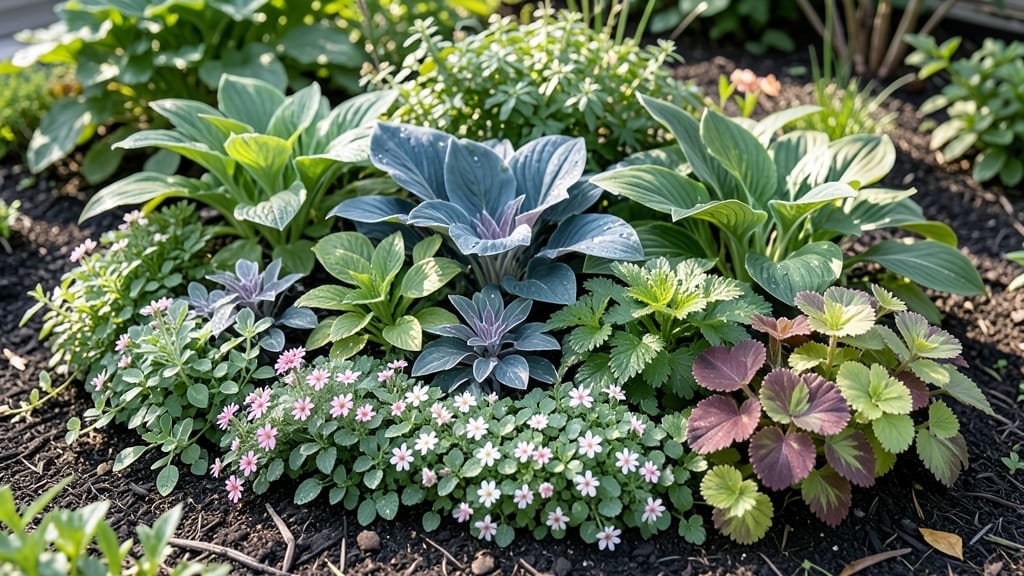
Flower bed coverage with mulch creates a protective layer that preserves soil moisture, blocks weeds, and maintains stable temperatures—critical for plant health—while organic options like wood chips gradually improve soil fertility as they decompose.
Mulching isn't just about aesthetics—it's a science-backed way to extend your flowers' growing season. 🌿 The right coverage can reduce watering needs by up to 75% while shielding roots from extreme heat or cold.
I've seen straw mulch work wonders in dry climates, while cedar chips add a polished look that also deters pests naturally. The key is thickness: aim for 2-4 inches, adjusting based on your local climate and flower types.
What many gardeners overlook is how mulch types affect soil over time. Organic mulches break down, adding nutrients, but require annual replenishment, while inorganic options like rubber mulch last longer but don't improve soil quality.
For example, pine straw acidifies soil—perfect for azaleas but problematic for alkaline-loving plants. Always match your mulch choice to both your flowers' needs and your region's growing conditions.
💡 In This Article
- How Mulch Protects Flower Beds in All Seasons
- Best Mulch Types for Flower Beds by Climate and Plant Needs
How mulch protects flower beds in all seasons
Mulch acts like nature's insulation blanket for your flower beds, creating a microclimate that protects roots from temperature swings. During summer, a 2-4 inch layer of mulch can reduce soil temperature by 10-15°F, shielding delicate roots from heat stress that causes wilting.
In winter, it forms a protective barrier that prevents soil from freezing solid, which can damage or even kill tender perennials.
This temperature regulation works because mulch has low thermal conductivity—it slows heat transfer between air and soil, much like how a thick sweater keeps you warm in cold weather. 🌡️
The moisture-retaining power of mulch comes from its ability to block evaporation. Organic mulches like shredded leaves or straw create a physical barrier that reduces water loss by up to 75%, meaning your flowers stay hydrated with far less frequent watering.
This is especially critical in drought-prone areas where soil can dry out within hours. Inorganic mulches like landscape fabric work differently—they don't absorb water but reflect sunlight away from the soil, which also helps maintain moisture levels.
The key difference is that organic mulches gradually decompose, adding humus to the soil over time, while inorganic options remain inert.
Weed suppression happens through light deprivation—mulch blocks sunlight from reaching weed seeds, preventing germination. A 3-inch layer can suppress 90% of weeds by starving them of the light they need to grow.
This isn't just about aesthetics; weeds compete aggressively with your flowers for water and nutrients, so reducing them means healthier plants with more vibrant blooms.
The texture of your mulch matters here too—finer materials like pine straw create a denser mat that blocks more light than chunky wood chips, which can leave gaps where weeds might still sprout. 🌱
Organic mulches like wood chips or straw also improve soil health over time as they decompose, adding carbon-rich material that feeds beneficial microbes. This slow-release nutrient boost is particularly valuable for heavy feeders like roses or hydrangeas.
However, this decomposition means you'll need to replenish organic mulch annually, especially in warm climates where breakdown happens faster. Inorganic mulches skip this nutrient benefit but last much longer—rubble mulch can remain effective for years without breaking down, making it ideal for low-maintenance gardens.
One often-overlooked benefit is mulch's role in pest control. Organic mulches like cedar chips release natural oils that repel insects, while inorganic options create physical barriers that deter burrowing pests.
The choice between organic and inorganic mulch ultimately comes down to your priorities: organic improves soil fertility but requires maintenance, while inorganic offers long-term protection with minimal upkeep.
For example, rubber mulch never decomposes but can get too hot in summer for sensitive plants, while cocoa hull mulch adds nutrients but may attract pets. 🐾
Seasonal adjustments are key to maximizing mulch effectiveness. In spring, apply 2-3 inches to warm the soil and encourage root growth, while in summer, increase to 3-4 inches for maximum heat protection. In fall, reduce to 2 inches to allow gradual cooling.
The thickness should always account for your local climate—thicker layers work better in hot, dry regions, while thinner layers suffice in cooler, wetter areas. This seasonal layering helps maintain consistent soil conditions year-round, giving your flowers the stable environment they need to thrive.