
Flowers
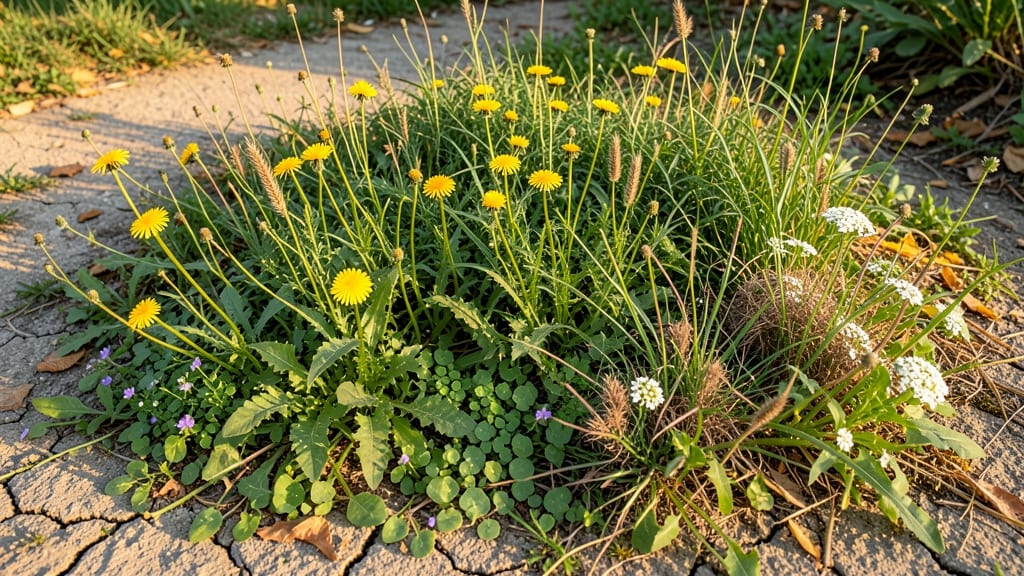
A flower bed full of weeds doesn’t mean a lost season. ✨ With the right approach, you can transform even the most overrun space into a thriving garden without backbreaking work or harmful chemicals.
The no-dig method preserves soil health while giving you visible results in just a few hours—no digging, no fuss, and no regrets.
Weeds thrive when soil is disturbed or compacted, and they outcompete flowers for sunlight and nutrients. But instead of fighting them with tilling (which spreads seeds and disrupts roots), we’ll smother, mulch, and strategically remove them to protect your plants long-term.
This method works for any flower bed, from formal borders to wildflower patches.
By the end of this, your beds will look pristine with minimal effort. The key is layering organic mulch, hand-pulling stubborn weeds, and preventing regrowth with smart spacing and ground covers. No more wasted weekends on your knees—just a garden that stays beautiful with less work.
Whether you’re dealing with dandelions, clover, or creeping Charlie, these steps adapt to your climate and plant types. Let’s get that flower bed back to its full potential—without the battle.
Root Causes of Overrun Beds
A flower bed choked with weeds isn’t just an eyesore—it’s a sign your garden’s balance is off. Understanding the why behind this chaos is the first step to reclaiming your space without backbreaking work.
Below, we break down the science and real-world factors that let weeds take over, so you can tackle the problem at its source.
Weeds thrive where flowers struggle, and the culprit is often soil quality. Healthy plants need nitrogen, phosphorus, and potassium (NPK) to grow strong roots and compete with weeds.
When your flower bed lacks these nutrients—or if the soil is compacted or waterlogged—weeds like crabgrass and dandelions seize the opportunity.
- Why it happens: - Depleted nutrients: Over time, plants (and weeds) deplete soil nutrients. If you’re not replenishing them with compost or fertilizer, weeds outcompete flowers for resources. - Compacted soil: Heavy foot traffic, machinery, or clay-heavy soil creates a hardpan layer that restricts root growth.
Weeds, with shallow but aggressive root systems, dominate instead. - pH imbalances: Most flowers prefer slightly acidic to neutral soil (pH 6.0–7.0), while weeds like chickweed or lamb’s quarters tolerate extreme pH levels. If your soil is too alkaline or acidic, your flowers weaken while weeds flourish.
Actionable fix: 🔹 Test your soil’s pH and nutrients (kits are cheap and easy). 🔹 Amend with compost, aged manure, or organic matter to loosen soil and boost fertility. 🔹 Mulch heavily (3–4 inches) to smother weeds while retaining moisture and nutrients.
Weeds are opportunistic water thieves. If your flower bed gets too much or too little water, weeds like bindweed or nutgrass exploit the chaos.
- Why it happens: - Overwatering: Excess moisture creates the perfect breeding ground for weeds, especially in shady or poorly drained areas.
Weeds like moss and sedge thrive in soggy conditions. - Underwatering: Drought-stressed flowers leave gaps in ground cover, allowing weed seeds to germinate and spread unchecked. - Irregular watering: Inconsistent moisture leads to spotty growth—some areas dry out, while others stay damp, creating a weed-friendly mosaic.
Actionable fix: 🔹 Water deeply but infrequently (1–1.5 inches per week) to encourage deep flower roots. 🔹 Use drip irrigation or soaker hoses to deliver water directly to plant roots, not the soil surface (where weed seeds lurk). 🔹 Group plants with similar water needs to avoid uneven moisture zones.
Weeds love bare soil because it gives them unobstructed sunlight, space, and easy seed germination. If your flower bed has gaps between plants, weeds will rush in like a garden squatter.
- Why it happens:
- Thin plantings: If flowers are spaced too far apart, weeds fill the voids before your plants can establish a competitive canopy.
- Dead or missing plants: Gaps from disease, pests, or poor planting create entry points for weeds like purslane or pigweed.
- No mulch barrier: Without a protective layer, sunlight reaches weed seeds, triggering germination.
Actionable fix: 🔹 Plant densely—follow spacing guidelines for your flower types to minimize gaps. 🔹 Fill empty spots immediately with annuals or ground covers like creeping thyme or clover. 🔹 Apply 3–4 inches of mulch (straw, wood chips, or leaves) to block light and suppress weeds.
When flowers are stressed by pests or disease, they can’t fight back against weeds. Insects like aphids, slugs, or deer munch on young plants, while diseases (e.g., powdery mildew) drain their energy.
- Why it happens:
- Pests decimate seedlings: Weeds often outgrow weakened or dead plants before you notice the problem.
- Disease spreads: Fungal or bacterial infections (e.g., black spot on roses) reduce plant vigor, leaving space for weeds.
- Deer or rabbits browse: These animals target young, tender plants, creating clearings for weeds to invade.
Actionable fix: 🔹 Monitor for pests and use natural predators (ladybugs for aphids, nematodes for grubs). 🔹 Apply organic fungicides (neem oil, copper spray) to prevent disease. 🔹 Install barriers (fencing, repellent plants like marigolds) to deter wildlife.
Weeds don’t just appear—they time their takeover based on temperature, rain, and daylight. Some, like summer annuals (e.g., spurge), germinate in warm, wet spring conditions, while winter annuals (e.g., henbit) take over in fall.
- Why it happens:
- Spring flush: After winter, moisture and warming soil trigger a weed seed explosion.
- Summer drought: Stressed flowers can’t compete, and dormant weed seeds wake up.
- Fall germination: Cool nights and warm days create ideal chickweed and annual bluegrass conditions.
Actionable fix: 🔹 Pre-emergent herbicides (organic or synthetic) in early spring can stop weed seeds before they sprout. 🔹 Hand-pull weeds in late summer/early fall when they’re young and easy to remove. 🔹 Mow high (3–4 inches) to shade out weed seeds and retain moisture.
Your garden’s location, sunlight, and climate play a huge role in weed dominance. Some weeds thrive in shade, others in full sun, and a few (like bindweed) are nearly impossible to eradicate in certain climates.
- Why it happens:
- Shady beds: Weeds like foxglove and garlic mustard outcompete sun-loving flowers in low-light areas.
- Full-sun beds: Crabgrass and purslane dominate hot, dry spots where flowers wilt.
- Climate mismatches: In humid regions, weeds like nutgrass spread via underground runners, while dry climates see cheatgrass take over.
Actionable fix: 🔹 Choose shade-tolerant flowers (e.g., heuchera, ferns, hostas) for low-light beds. 🔹 Select drought-resistant plants (e.g., lavender, sedum, yarrow) for sunny, dry areas. 🔹 Adjust mulch depth—thicker in hot climates, lighter in wet ones.
Weeds don’t just appear—they exploit weaknesses in your garden’s ecosystem. By addressing soil health, watering habits, plant density, and seasonal timing, you can starve out weeds before they start. The key? Stay proactive, not reactive. 🚀
Quick Fixes for Overrun Beds
A flower bed choked with weeds isn’t just an eyesore—it’s a sign your garden’s balance is off. But don’t stress! With the right approach, you can reclaim your space without digging, chemicals, or backbreaking work.
Below, we break down the root causes (literally) and pair them with no-dig, no-fuss solutions—plus tips to keep weeds at bay for good.
Cause: Weeds thrive in bare, compacted, or nutrient-starved soil where flowers struggle to compete. Fix: Use mulch or cardboard to block sunlight and suffocate weeds while feeding your plants.
- 📦 Cover & Kill - Lay cardboard or thick newspaper (no glossy ink!) over the bed. Wet it down to weigh it into place. - Top with 3–4 inches of mulch (straw, wood chips, or shredded leaves).
This starves weeds of light while improving soil over time. - Pro tip: 💡 Skip the plastic sheeting—it traps heat and can harm soil microbes.
- 🌿 Plant a Living Mulch
- Add fast-growing ground covers like creeping thyme, clover, or sweet alyssum. These outcompete weeds while adding color and suppressing soil erosion.
- Bonus: They attract pollinators and deter pests naturally!
- ⏳ Let Nature Do the Work
- If you’re short on time, skip the mulch for a season and let weeds die back naturally. Pull only the worst offenders, then cover the bed in fall with compost or leaf mold to rebuild soil.
Cause: Healthy plants crowd out weeds. If your flowers are sparse or struggling, weeds fill the gaps. Fix: Strengthen your plants so they outcompete invaders naturally.
- 💧 Hydrate Strategically
- Weeds often win because they germinate first and soak up water. Deep-water your flowers once a week (early morning) to encourage deep roots.
- Pro tip: 🌡️ Use a soaker hose—it delivers water at the roots where weeds can’t access it as easily.
- 🌱 Feed the Right Plants
- Apply a slow-release organic fertilizer (like compost or worm castings) in early spring. Weeds thrive in poor soil—give your flowers a nutrient edge!
- Avoid: 🚫 Synthetic fertilizers with high nitrogen—they can make weeds grow faster too.
- 🌼 Choose Tougher Flowers
- Swap delicate annuals for perennial workhorses like:
- Daylilies (drought-tolerant, spreads fast)
- Coneflowers (deep roots, deters weeds)
- Lavender (aromatic, repels pests)
- Design hack: 🎯 Plant in drifts, not rows—this creates a dense "carpet" that weeds can’t penetrate.
- Swap delicate annuals for perennial workhorses like:
Cause: Empty patches invite weeds to move in. Even small gaps can become weed magnets. Fix: Fill spaces immediately with weed-suppressing plants or temporary covers.
- 🌱 Quick-Fill with Annuals
- Drop in fast-growing annuals like:
- Calendula (self-seeds, deters pests)
- Nasturtiums (edible, spreads quickly)
- Marigolds (repels weeds and insects)
- Time-saver: 🔥 Buy "weed-suppressing" mixes from garden centers—they’re pre-selected for this purpose.
- Drop in fast-growing annuals like:
- 📦 Temporary Weed Barriers
- For large bare areas, lay biodegradable landscape fabric (not plastic!) and top with mulch. This buys time while you replant.
- Warning: ⚠️ Only use fabric for 1–2 seasons—permanent barriers can suffocate soil.
- 🌱 Divide & Conquer
- If perennials are thinning, dig up and divide overcrowded clumps (like hostas or black-eyed Susans) to fill gaps. Weeds hate competition!
Once your bed is back in shape, lock in progress with these habits:
| Problem | Solution | How Often |
|---|---|---|
| Weed seeds in soil | Top-dress with compost every spring | 1x/year |
| Compacted soil | Add leaf mold or coconut coir | As needed |
| Slow-growing flowers | Plant "filler" annuals in gaps | Spring & fall |
| High foot traffic | Install stepping stones | Once |
| Poor drainage | Amend with sand or perlite | Every 2–3 years |
💡 Pro Tip: Mow high! If your flower bed borders a lawn, keep grass at 3–4 inches—taller grass shades out weed seeds.
Final Thought: 🌟 A weed-free bed isn’t about elimination—it’s about balance. By smothering, outcompeting, and preventing, you’ll spend less time pulling weeds and more time enjoying your garden. Start with one section, then expand—your flowers (and back) will thank you!
Frequently asked questions
How do I know if my flower bed needs help before it’s completely overrun?
Watch for these early signs: bare spots between plants, weeds taller than your flowers, or yellowing flower leaves. If you see 10%+ weed coverage or flowers struggling to grow, it’s time to act before weeds take full control.
Can I use vinegar to kill weeds in my flower bed?
Yes, but with caution! A 1:1 vinegar-water mix (with 1 tablespoon dish soap) kills weeds on contact, but it also harms nearby flowers. Spot-treat only the weeds, avoid windy days, and test on a small area first—it won’t prevent future regrowth.
What’s the fastest way to clear a heavily weeded bed without digging?
Use the smother-and-mulch method: Lay cardboard or thick newspaper (no glossy ink!) over the bed, wet it down, then cover with 3–4 inches of mulch (straw or wood chips). This suffocates weeds in 4–6 weeks while improving soil.
Will mulch really prevent weeds long-term?
Yes, but it needs to be 3–4 inches thick and refreshed yearly. Organic mulches (like wood chips or straw) break down, so top up in spring. For extra protection, pair mulch with dense plantings—flowers like lavender or daylilies crowd out weeds naturally.
How do I keep weeds from creeping back after I’ve cleared them?
Combine 3 strategies:
- Hand-pull new weeds weekly (they’re easier young),
- Add a living mulch (like clover or creeping thyme), and
- Plant perennials in drifts (not rows) to create a weed-blocking canopy. Consistency is key!