
Lawn
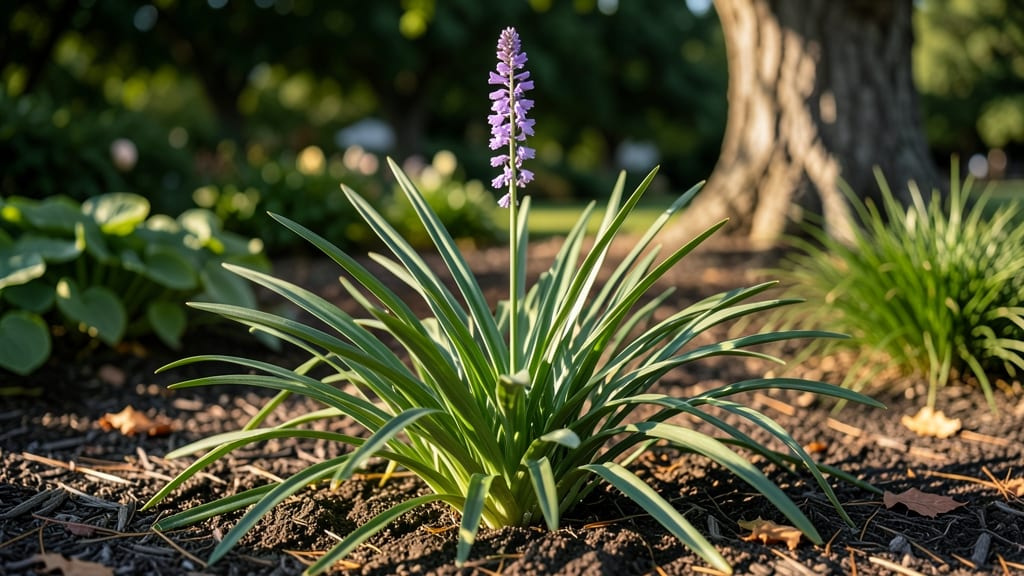
A monkey grass border transforms your flower bed into a lush, low-maintenance privacy screen that thrives year-round. 🌿 I used it to replace my overgrown hedge, and the difference is night and day—no weeding, no trimming, just vibrant texture that softens any garden edge.
The key? Choosing the right variety and spacing it properly from day one.
Start with Liriope muscari or Miscanthus sinensis—both handle heat, drought, and shade better than most ornamental grasses. Pair them with black-eyed Susans, coneflowers, or salvia for a mix of heights and colors that keeps the eye moving.
The grass acts as a natural divider while letting sunlight reach your flowers, so you avoid the shady, leggy plants that ruin so many borders.
By late summer, you’ll have a dense, 3-foot-tall wall that blocks nosy neighbors and road noise without blocking light. The golden fall tones and winter seed heads add unexpected seasonal interest, turning a functional border into a garden feature. Plus, deer and rabbits ignore it completely—unlike most perennials.
For best results, plant in clumps 18-24 inches apart and water deeply for the first month. After that, it’s basically set-and-forget. No mulching, no fertilizing—just the occasional snip to keep it tidy. Perfect for busy gardeners who want beauty without the upkeep.
📚 In This Guide
- What you need
- Instructions
- Tips and common mistakes
- Wrapping up and next steps
What you need
- ● Monkey Grass (Liriope muscari or L. spicata): 10–20 plants (spaced 12–18 inches apart for full coverage)
- ● Choose variegated or solid green varieties based on your design
- ● Soil Amendments: 2–3 bags of compost (for nutrient-rich soil)
- ● 1 bag of peat moss or coconut coir (for drainage)
- ● Mulch: 2–3 cubic feet of pine straw or shredded bark (to retain moisture)
- ○ Optional: Slow-release fertilizer (10-10-10 or organic options)
- ● Mulch dye (for a uniform look)
- ● Garden trowel or spade
- ● Wheelbarrow or bucket (for soil/mulch)
- ● Measuring tape & stakes (to mark borders)
- ● Gloves & knee pads (for comfort)
- ○ Optional: String line & stakes (for straight edges)
- ● Edging tool (for crisp borders)
- ● Sunlight assessment: Partial to full sun (6+ hours/day)
- ● Well-draining soil (amend if clay-heavy)
- ● Water source nearby (hose or drip irrigation)
- ● Clear border area (remove weeds/grass first!)
How to create a low-maintenance monkey grass border for year-round privacy
This fast-growing, drought-tolerant solution transforms any flower bed edge into a lush, weed-free privacy screen.
🌱 Step 1: Plan and Measure Your Border Layout
First, sketch your flower bed's perimeter on paper, noting any curves or obstacles like pathways or garden structures. Monkey grass (Liriope muscari) thrives in 12-24 inch wide bands along borders, so plan for that width. Measure the total length of your desired border—you'll need 12-14 plants per linear foot for a dense, continuous screen.
I like to stagger the planting pattern in a brick-like layout (offset rows) to prevent gaps as the grass fills in. Mark planting spots with small stakes or spray paint every 8-10 inches along your measured line. This ensures even spacing and eliminates the guesswork later. If your border has turns, adjust spacing slightly to maintain visual flow.
🪴 Step 2: Prepare the Soil and Planting Trench
Dig a 4-6 inch deep trench along your marked line using a spade or border edger. The trench should be 2-3 inches wider than your planned grass width to accommodate root spread. Amend the native soil with 2 inches of compost mixed into the bottom 6 inches of the trench—this improves drainage while retaining moisture.
Monkey grass tolerates most soil types but performs best in well-draining, slightly acidic soil (pH 6.0-7.0). If your soil is heavy clay, add 1 part perlite to 3 parts soil to prevent waterlogging. Tap the trench sides gently after amending to remove air pockets, then water the prepared bed until the soil feels evenly moist to a depth of 6 inches.
🌿 Step 3: Plant the Monkey Grass in Staggered Rows
Remove each plant from its container, gently loosening the roots if they're circling. Plant 1-2 inches deeper than the container depth—this encourages stronger root establishment. Place the first plant at your marked starting point, then position subsequent plants 8-10 inches apart in the trench, offsetting each row by 4-5 inches for that brick-like pattern.
Press the soil firmly around each plant's base to eliminate air pockets, then water deeply until the soil 1 inch below the surface feels saturated. Avoid overwatering immediately after planting—you want the soil moist but not soggy. I like to use a soaker hose for this step to deliver water evenly without disturbing the plants.
☀️ Step 4: Mulch and Establish the Border
Spread 2-3 inches of shredded bark or pine straw mulch over the entire planted area, leaving a 1-inch gap around plant stems to prevent rot. Mulch suppresses weeds while retaining soil moisture—critical for the first 4-6 weeks as roots establish. Choose a light-colored mulch if your climate gets hot; dark mulches can overheat the soil in full sun.
Water the border twice weekly for the first month, then taper to once weekly once new growth appears. Monkey grass is drought-tolerant once established, but consistent moisture during its first season prevents browning. You'll see first true leaves emerge in 3-4 weeks—this is your signal the plants are rooting properly.
⏰ Step 5: Maintain for Year-Round Privacy
After the first season, your border will require almost no maintenance. Trim back any brown or leggy growth in early spring to encourage fresh, dense foliage. Cut back 1/3 of the plant height with clean shears, then apply a 1-inch layer of fresh mulch to refresh weed suppression.
Fertilize lightly in early spring with a balanced 10-10-10 fertilizer—just 1/4 teaspoon per plant. Over-fertilizing leads to weak stems and fewer flowers. By mid-summer, your border will reach 18-24 inches tall, providing full privacy while requiring less than 10 minutes of work per year.
Tips & tricks for perfect monkey grass privacy screens
Here's what nobody tells you about creating a flawless, weed-free border that actually stays low-maintenance.
Spacing Secret: The 8-10 inch spacing between plants in Step 1 might seem generous, but it's essential for airflow and preventing fungal issues. In tight spaces, reduce to 6 inches, but be prepared for slightly slower fill-in. For curved borders, measure from the center of each plant to the curve's inner edge to maintain that brick-like pattern without gaps.
Soil Prep Hack: When amending the soil in Step 2, mix in a handful of organic granular fertilizer (like 10-10-10) directly into the bottom 6 inches of the trench. This gives roots a nutrient boost right where they need it most. For clay-heavy soils, work in 1 part coarse sand instead of perlite—it improves drainage without breaking the bank.
Planting Depth Matters: That 1-2 inch deeper planting in Step 3 might seem counterintuitive, but it's crucial for stability. Press the soil firmly around each plant's base to eliminate air pockets—this prevents transplant shock. For container-grown plants, trim any circling roots with clean shears before planting to encourage outward growth.
Mulch Timing: Wait until after the first watering in Step 4 before applying mulch. This prevents the mulch from wicking moisture away from fresh roots during the critical first 4-6 weeks. Use a metal rake to create a slight depression around each plant stem before adding mulch—this keeps stems dry and prevents rot.
Pro Tips for Flower Bed Monkey Grass Border
- Here's what nobody tells you about creating a flawless, weed-free border that actually stays low-maintenance.
- Spacing Secret: The 8-10 inch spacing between plants in Step 1 might seem generous, but it's essential for airflow and preventing fungal issues.
- Soil Prep Hack: When amending the soil in Step 2, mix in a handful of organic granular fertilizer (like 10-10-10) directly into the bottom 6 inches of the trench.
Frequently asked questions
about creating a flower bed monkey grass border—because every gardener deserves a hassle-free solution!How fast does monkey grass grow to create a privacy screen?
Monkey grass (like Liriope muscari or World Grass) grows aggressively—expect 6–12 inches per year under ideal conditions. For a 3–4 foot-tall screen, you’ll see noticeable height in 1–2 seasons, especially with regular watering and full sun. Pro tip: Plant in early spring for a head start!
When is the best time to plant monkey grass for a border?
Plant in early spring (March–April) or early fall (September–October)—this gives roots time to establish before extreme heat or frost. Avoid summer planting; the grass may struggle with transplant shock. Bonus: Amend soil with compost for faster growth!
Can I use alternatives to monkey grass for a low-maintenance border?
Try these zero-weed, fast-growing options:
- Dwarf Mondo Grass – Compact, evergreen, and drought-tolerant.
- Carex ‘Ice Dance’ – Soft texture, cold-hardy, and spreads slowly.
- Creeping Thyme – Adds fragrance and blooms; great for edging.
- Hosta ‘Blue Angel’ – Shade-loving with bold foliage.
Why isn’t my monkey grass filling in after a year?
Slow growth usually stems from poor soil, overwatering, or shade. Fix it by:
- Testing soil pH (ideal: 6.0–7.0) and adding sand or compost if needed.
- Watering deeply 1–2x/week (not daily) to encourage root spread.
- Trimming back brown fronds in early spring to redirect energy.
Are there pests or diseases I should watch for in monkey grass?
Monkey grass is pest-resistant, but keep an eye out for:
- Grasshoppers – Spray with neem oil if you see chewed edges.
- Fungal leaf spot – Caused by overwatering; improve drainage.
- Deer/browsing – Use deer repellent or plant near deterrents like lavender.
Wrapping up and next steps
Transforming your flower bed into a lush, low-maintenance monkey grass border is a game-changer—no weeding, year-round privacy, and stunning visual appeal! 🌿 With the right prep, materials, and care, you’ll enjoy a vibrant, hassle-free garden that thrives with minimal effort.
Whether you’re a seasoned gardener or just starting out, this project is totally doable—and the results will wow you (and your neighbors!).
Ready to dive in? Grab your tools, pick your favorite monkey grass variety, and start planning your border today! Your future self—and your garden—will thank you. 🌸✨