
Tools
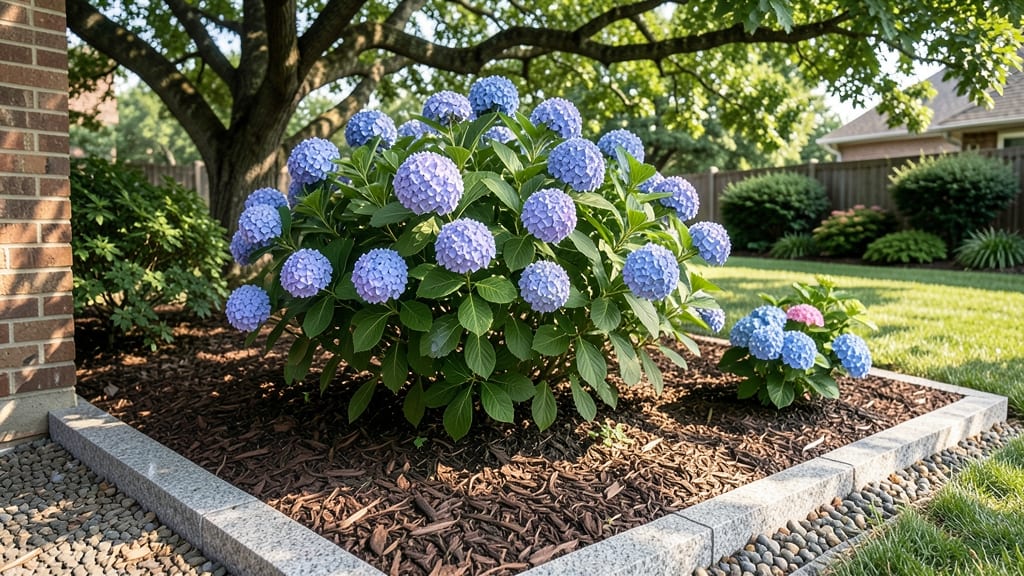
A foundation-friendly garden bed along the foundation with Endless Summer hydrangea can transform your home’s exterior into a lush purple paradise—without risking your house. 🌿 The key is spacing the roots properly (at least 18 inches from the foundation) while creating a drainage-friendly layer that keeps both the plant and your home happy.
These hydrangeas thrive in partial shade and moist soil, making them perfect for foundation beds where afternoon sun might dry out other plants. Pair them with evergreen shrubs like boxwood or hostas to fill gaps while keeping the space low-maintenance and visually balanced.
You’ll end up with a year-round display of blooms that frame your home beautifully, all while protecting your foundation from moisture damage. The secret? A gravel base for drainage and mulch to retain moisture without smothering the roots.
Works for both new builds and existing homes—just adjust the spacing if you’re retrofitting. Let’s make your foundation the star of the show!
📚 In This Guide
- What you need
- Instructions
- Tips and common mistakes
- Wrapping up and next steps
What you need
- ● Endless Summer Hydrangea Plants: 3–5 mature bushes (spaced 4–6 feet apart for full coverage)
- ● Topsoil or Garden Soil: 2–3 cubic yards (depending on bed size, ~12–18 inches deep)
- ● Mulch: 2–3 bags (3–4 inches of pine bark or shredded wood chips)
- ● Compost or Organic Fertilizer: 1–2 bags (for nutrient-rich soil)
- ● Garden Gloves & Knee Pads: For comfort and protection
- ● Shovel & Spade: For digging and planting
- ● Garden Rake: For leveling soil
- ● Wheelbarrow: For hauling soil and mulch
- ● Watering Can or Hose with Spray Nozzle: For gentle hydration
- ● Measuring Tape: To ensure proper spacing
- ○ Stakes & Twine (Optional but Helpful): For supporting hydrangeas as they grow
- ● Slow-Release Hydrangea Fertilizer: For vibrant blooms
- ● Soil pH Test Kit: To ensure acidic soil (ideal for hydrangeas)
- ● Landscape Fabric: To suppress weeds (lay under mulch)
- ● Decorative Stones or Edging: For a polished look
- ● Pruning Shears: For shaping and maintenance
Step-by-Step instructions for creating a foundation-friendly hydrangea garden bed
Here's how to design a stunning, low-maintenance garden bed that protects your foundation while showcasing Endless Summer hydrangeas.
🪴 Step 1: Plan the Layout and Prepare the Foundation Edge
Start by marking the bed area with landscape fabric or spray paint, keeping it 12-18 inches away from your foundation to prevent moisture buildup. Use a level to ensure the bed sits slightly sloped away from the house—this directs water away naturally. I dig a 4-inch deep trench along the marked edge, then line it with landscape fabric to suppress weeds before backfilling with 6 inches of gravel for proper drainage.
For Endless Summer hydrangeas, space plants 4-5 feet apart to allow mature growth without overcrowding. These beauties need room to breathe, and proper spacing prevents fungal issues from poor air circulation. If your foundation has a slight curve, adjust the bed shape to follow it naturally—this creates visual harmony while maintaining functionality.
🌱 Step 2: Build Raised Edges and Install Drainage
Construct raised edges using 6-inch tall landscape timbers or bricks, securing them with landscape screws to create a clean, defined border. The height prevents soil from spilling onto your foundation during heavy rains. Before adding soil, install a perforated drain pipe along the trench at a 1% slope toward the street or downspout—this is critical for preventing water damage.
I like to add crushed stone around the drain pipe before covering it with landscape fabric, then backfill with 2 inches of gravel before adding soil. This layered approach ensures water flows away efficiently while keeping roots healthy. Test the drainage by pouring a bucket of water—if it drains within 30 minutes, you're ready for planting.
☀️ Step 3: Layer Soil for Hydrangea Success
Fill the bed with a 12-inch layer of amended soil—I mix 50% high-quality garden soil, 30% compost, and 20% perlite for excellent drainage and nutrient retention. Endless Summer hydrangeas thrive in slightly acidic soil (pH 5.2-6.0), so test your soil first and amend with sulfur or peat moss if needed. Spread a 2-inch layer of mulch (cypress or pine bark) on top, keeping it 3 inches away from stems to prevent rot.
Here's the thing—hydrangeas hate soggy roots, so avoid heavy clay soils. If your native soil is dense, consider removing the top 6 inches and replacing it entirely. I plant my hydrangeas in the center of the bed, surrounded by evergreen shrubs or ornamental grasses for year-round structure and contrast. The key is creating a microclimate that keeps roots cool in summer while allowing winter sun exposure.
🌿 Step 4: Plant and Mulch for Long-Term Health
Dig holes twice as wide as the root ball but no deeper, then place each hydrangea so the top of the root ball sits 1 inch above soil level—this prevents rot during heavy rains. Backfill with native soil, tamping gently to remove air pockets, then water deeply to settle everything. I stake young plants immediately if they're leggy, using soft tree ties to avoid stem damage.
After planting, spread 3 inches of mulch (avoid wood chips—hydrangeas prefer cypress or pine straw). This keeps roots cool and conserves moisture, but don't pile it against stems. Water once weekly during the first growing season, aiming for 1 inch of water per week—hydrangeas are drought-tolerant once established, but young plants need consistent moisture. You'll know you're doing it right when new leaves emerge bright green and glossy within 4-6 weeks.
✂️ Step 5: Maintain for Year-Round Blooms
Prune Endless Summer hydrangeas in late winter or early spring before new growth appears, cutting back old wood by ⅓ to encourage bushier growth. These varieties rebloom on both old and new wood, so avoid heavy pruning after mid-summer—it removes next year's flower buds. I fertilize twice yearly: in early spring with balanced 10-10-10 and in mid-summer with acid-loving plant food to boost purple blooms.
Watch for powdery mildew (common in humid climates)—if you see white fuzzy spots, treat immediately with neem oil. For foundation protection, inspect the bed's slope annually and refresh mulch in early spring to maintain moisture control. With proper care, your hydrangeas will reward you with continuous blooms from early summer through frost, creating a stunning foundation accent that lasts decades.
Tips & tricks for perfect foundation-friendly hydrangea garden beds
Creating a stunning hydrangea garden bed that protects your foundation requires thoughtful planning—and these tips will help you avoid common pitfalls while maximizing beauty and functionality.
Drainage is Everything: That 30-minute drainage test in Step 2 is non-negotiable. If water pools after pouring your bucket, you're not ready to plant. I've seen too many beautiful beds ruined by poor drainage that led to rot and foundation damage. Consider adding a second drain pipe if your yard has heavy clay soil or receives frequent heavy rains. For extra insurance, install a French drain along the foundation edge before building your bed.
Soil Science Matters: The 12-inch amended soil layer in Step 3 is your hydrangea's lifeline. Don't skimp on the perlite—it's what prevents that dreaded soggy root syndrome. If your native soil tests above pH 6.0, you'll need more than just sulfur. I've had success with a mix of peat moss and pine fines to create that perfect acidic environment. Pro tip: Add a handful of cottonseed meal to your planting holes—it slowly breaks down to maintain acidity.
Plant Placement Strategy: When spacing those Endless Summer hydrangeas 4-5 feet apart in Step 1, think about their mature size. These beauties can reach 5-6 feet wide, so leave extra room if you're planting along a narrow foundation. I like to place them slightly offset from the foundation edge—this creates visual depth while maintaining that crucial 12-18 inch moisture barrier. For curved foundations, use a garden hose to create a gentle arc before marking your bed area.
Maintenance Shortcuts: The annual mulch refresh in Step 5 can be simplified. Instead of removing all old mulch, just spread a 1-inch layer of fresh cypress mulch over the existing layer. This saves time while preventing weeds. For powdery mildew prevention, I mix 1 tablespoon of neem oil with water in a spray bottle and apply it to leaves every 2 weeks during humid months—it's a proactive measure that works better than treating after the fact.
Pro Tips for Garden Bed Along The Foundation With Endless Summer Hydrangea
- Creating a stunning hydrangea garden bed that protects your foundation requires thoughtful planning—and these tips will help you avoid common pitfalls while maximizing beauty and functionality.
- Drainage is Everything: That 30-minute drainage test in Step 2 is non-negotiable.
- Soil Science Matters: The 12-inch amended soil layer in Step 3 is your hydrangea's lifeline.
Frequently asked questions
about creating a garden bed along your foundation with Endless Summer hydrangeas—because every gardener deserves clarity!How close can I plant the hydrangeas to my home’s foundation?
Keep them at least 12–18 inches away from the foundation to prevent moisture buildup or root intrusion. Use a French drain or gravel layer if your soil drains poorly. Endless Summer hydrangeas are non-invasive, but proper spacing ensures longevity and avoids structural risks.
When is the best time to plant them along the foundation?
Plant in early spring or fall (4–6 weeks before frost) for optimal root establishment. Avoid summer heat or winter cold, which stress young plants. If planting in spring, water deeply weekly until roots stabilize—this is critical for foundation beds!
Will these hydrangeas need extra watering near the house?
Yes! Foundation areas can dry out faster due to reflected heat. Mulch heavily (3–4 inches) and water 2–3 times per week in dry spells. Drip irrigation along the bed is ideal—it delivers moisture directly to roots without wetting siding.
Can I replace Endless Summer hydrangeas with another low-maintenance shrub?
Try Dwarf Fothergilla (fragrant spring blooms), Abelia (drought-tolerant), or Boxwood (compact, evergreen). Just ensure they match your hydrangea’s height (3–5 ft) and spread (3–4 ft) to maintain a cohesive look.
How do I keep pests away from hydrangeas near my home?
Prevent issues with neem oil sprays (for aphids) or diatomaceous earth (for slugs). Avoid chemical pesticides near foundation plants—they can seep into basements. Endless Summer hydrangeas are generally pest-resistant, but watch for spider mites in dry conditions.
Do I need to winterize these hydrangeas differently near the foundation?
Not necessarily! Endless Summer hydrangeas are hardy to USDA Zone 4, but mulch 6+ inches deep in winter to insulate roots. If your foundation retains cold, add a breathable frost blanket around the base (remove in early spring).
Wrapping up and next steps
Creating a stunning garden bed along your foundation with Endless Summer hydrangeas is a rewarding project that adds beauty and value to your home. These hardy, low-maintenance blooms thrive in foundation-friendly spaces, offering year-round purple splendor with minimal effort.
Whether you’re a seasoned gardener or just starting, this planter idea brings curb appeal and joy—one lush bloom at a time!
Ready to transform your outdoor space? Grab your tools, gather your materials, and start digging! Your future self—and your neighbors—will thank you for this vibrant upgrade. 🌸✨