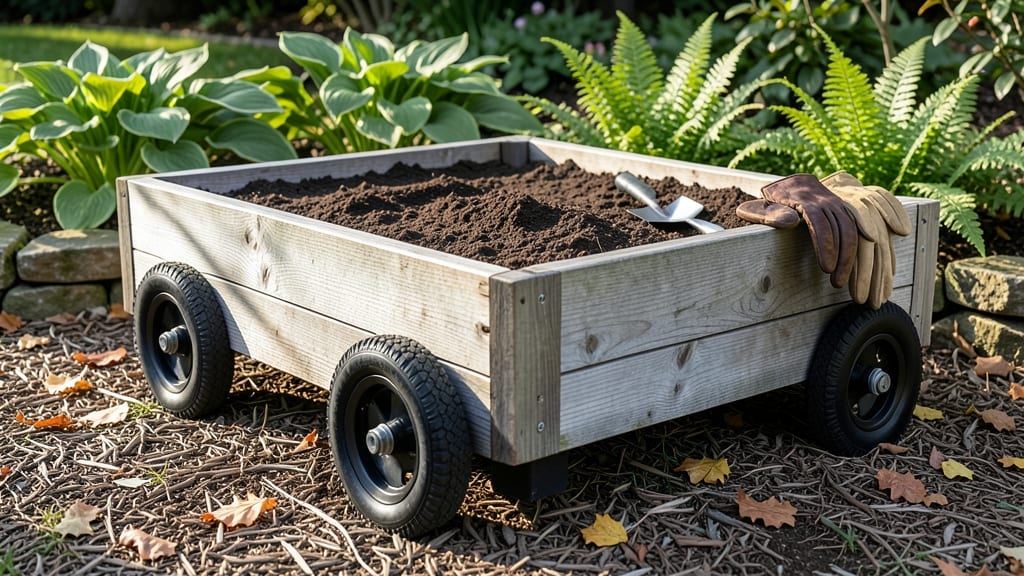
Buying guide: how to choose the right garden bed wheels
1. Weight Capacity Requirements 💡
First, determine the total weight of your garden bed, including soil, plants, and any additional materials like trellises or irrigation systems. Most garden beds weigh significantly more when filled—a 4'x8' cedar raised bed with soil can easily exceed 1,000 pounds.
I recommend choosing wheels with a weight capacity at least 25-50% higher than your bed’s total weight to ensure safety and smooth maneuvering.
For example, if your bed weighs 600 pounds, opt for 800lb-capacity wheels to account for uneven weight distribution and future soil additions. Budget-friendly options often max out at 300-500 pounds, making them ideal for small herb planters or lightweight containers, while premium models (1,000lb+) are designed for heavy-duty vegetable gardens or permanent installations.
2. Material Durability and Weather Resistance ⚡
The material of your garden bed wheels directly impacts their longevity and performance. Galvanized steel or stainless steel wheels are the most durable, resisting rust and corrosion even in wet or salty conditions—perfect for coastal gardens or areas with high humidity.
However, they come at a higher price point. For budget-friendly options, look for UV-resistant plastic housings paired with steel axles, which offer decent durability for lightweight beds. Avoid cheap plastic wheels without UV protection, as they’ll crack and degrade within a season.
Pro tip: If you live in a freeze-thaw climate, opt for wheels with grease-filled bearings to prevent seizing in cold temperatures.
3. Ease of Installation and Mounting Compatibility ✅
Not all garden bed wheels are universal—mounting compatibility varies widely. Most wheels use bolt-on brackets or screw-in mounts, but the hole spacing and bed material (cedar, plastic, metal) matter. I recommend checking whether the wheels include universal mounting hardware or require drilling.
For pre-assembled beds, look for wheels with adjustable brackets to fit different thicknesses. Counter-intuitively, fixed wheels (non-swivel) are often easier to install on narrow beds, as they provide stability, while swivel wheels require slightly more assembly but offer unmatched maneuverability.
Always test-fit the wheels before fully committing—some beds may need additional reinforcement around mounting points to prevent warping.
4. Maneuverability Features (Swivel vs. Fixed) 🔍
The difference between swivel wheels and fixed wheels can make or break your gardening experience. 360-degree swivel wheels excel in tight spaces, allowing you to pivot around corners without lifting the bed—ideal for urban gardens, patios, or areas with obstacles.
However, they require slightly more maintenance due to their moving parts. Fixed wheels, on the other hand, offer better stability for straight-line movement and are often quieter.
If you’re working with long, narrow beds, fixed wheels may be the better choice, while square or rectangular beds benefit from swivel wheels.
For the best of both worlds, consider a hybrid setup: swivel wheels on two corners and fixed wheels on the other two for stability during stationary use.
5. Bonus: Locking Mechanisms for Stationary Use 🛡️
If you plan to leave your garden bed stationary for extended periods (e.g., during winter or between plantings), locking wheels are a game-changer. They prevent rolling when the bed isn’t in use, eliminating the risk of accidents or damage.
While not all wheels include this feature, premium models often offer adjustable locking mechanisms that can be engaged with a simple twist or lever. For budget-friendly options, you can DIY a lock by adding rubber pads or wooden blocks under the wheels when stationary.
This small upgrade adds peace of mind, especially if you have pets, children, or uneven terrain.
Frequently asked questions
Q: What weight capacity should I look for in garden bed wheels?
Always choose wheels with a weight capacity 25-50% higher than your fully loaded garden bed. A 4'x8' cedar raised bed with soil and plants can easily exceed 1,000 pounds, so opt for 1,000lb-capacity wheels or higher. For lightweight herb planters or small containers, 300-500lb wheels work well. Premium models with 1,500lb+ capacity are ideal for heavy-duty vegetable gardens or permanent installations. Underestimating weight can lead to wobbling or even wheel failure.
Q: Can I use garden bed wheels on any type of planter or raised bed?
Most garden bed wheels are designed for cedar, plastic, or metal raised beds, but mounting compatibility varies. Check if the wheels include universal brackets or require drilling. For pre-assembled beds, look for adjustable mounts to fit different thicknesses. Fixed wheels work best for narrow beds, while swivel wheels are ideal for square or rectangular beds. Always test-fit before fully securing—some beds may need reinforcement around mounting points to prevent warping.
Q: How do I install garden bed wheels without damaging my planter?
Start by marking the mounting points on your bed’s bottom frame to ensure even spacing. Use a drill with a pilot bit to pre-drill holes if required, then tighten bolts gradually in a diagonal pattern to avoid warping. For budget-friendly options, some use snap-on brackets, while premium models may require washers and lock nuts for extra stability. Always double-check torque—over-tightening can crack wood or strip screws. If unsure, follow the manufacturer’s torque specifications.
Q: What’s the difference between swivel and fixed garden bed wheels?
1
Swivel wheels
(360-degree) allow pivoting around corners, making them perfect for urban gardens, patios, or tight spaces. They require slightly more maintenance due to moving parts but offer unmatched maneuverability. Fixed wheels, on the other hand, provide better stability for straight-line movement and are often quieter. For long, narrow beds, fixed wheels may be ideal, while square beds benefit from swivel wheels. A hybrid setup (swivel on two corners, fixed on two) balances stability and mobility.
Q: Are plastic garden bed wheels as durable as metal ones?
2
Metal wheels
(galvanized or stainless steel) are far more durable, resisting rust, corrosion, and UV damage—ideal for long-term use in harsh weather. Budget-friendly plastic wheels with UV-resistant housings can last 1-2 seasons if used on lightweight beds, but they may crack in extreme heat or cold. For heavy-duty use, invest in steel wheels; for small herb planters, plastic wheels offer a cost-effective solution. Avoid cheap plastic wheels without UV protection—they degrade quickly under sunlight.
Q: How long do garden bed wheels typically last?
With proper maintenance, high-quality metal wheels can last 5-10 years, while budget plastic wheels may last 1-3 seasons. Lubricate bearings annually (use silicon spray for metal, light oil for plastic) to prevent squeaking and wear. Rust-proof coatings (like galvanization) extend lifespan in wet climates. Swivel wheels may need occasional greasing of pivot points. Store wheels indoors during freeze-thaw cycles to prevent bearing damage. If wheels start squeaking or wobbling, it’s time to replace them—ignoring signs can lead to accidents.
Q: What’s a good budget alternative to high-end garden bed wheels?
For lightweight beds (under 500 lbs), budget-friendly 300-500lb plastic wheels with UV-resistant housings offer great value. Look for ball-bearing designs to reduce friction and easy-attach brackets for quick installation. Brands like Gorilla Grip or Tough Outdoors provide affordable yet sturdy options. If you need extra durability, pair plastic wheels with steel axles for better load distribution. For long-term use, consider mid-range galvanized steel wheels—they cost slightly more upfront but last 3-5 times longer than plastic.