
Planting
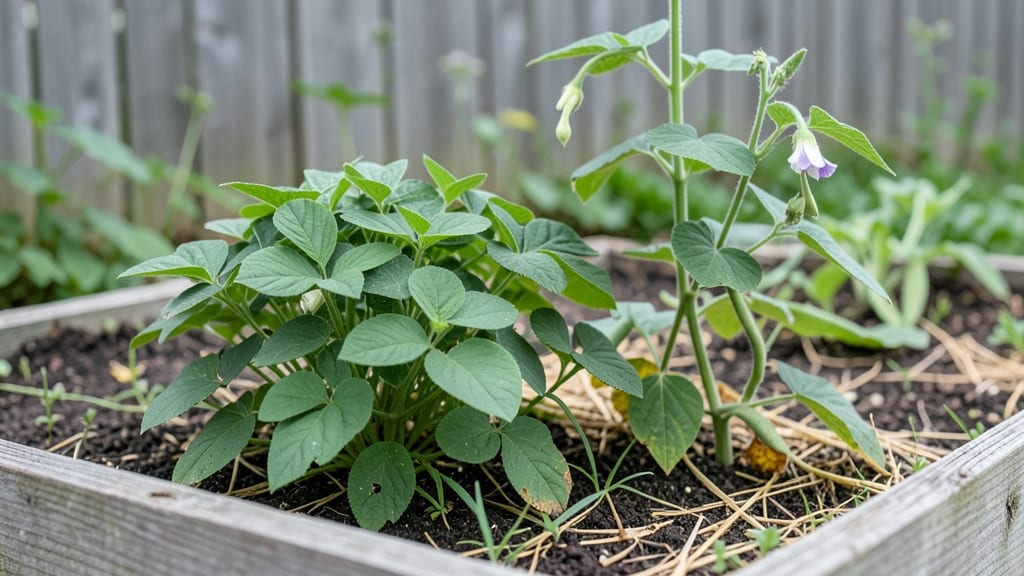
For optimal green bean spacing in raised beds, plant seeds 4-6 inches apart with rows spaced 18-24 inches apart to maximize airflow, sunlight exposure, and yield while preventing overcrowding. Bush beans require slightly more space than pole varieties.
Proper spacing isn't just about fitting more plants—it's about giving each plant room to thrive. 🌱 In a raised bed, this spacing prevents competition for nutrients and reduces disease risk by improving airflow.
I've found that bush beans, which grow in compact bushes, can handle closer spacing than pole beans that climb and spread. For pole beans, consider adding a trellis to save space while keeping plants off the ground, which also makes harvesting easier and reduces soil-borne diseases.
When planning your raised bed layout, think vertically as well as horizontally. Adding a simple trellis system lets you grow pole beans more densely while keeping them organized.
This vertical approach not only saves space but also creates a cleaner, more manageable garden bed. Plus, the extra height makes picking beans a breeze—no more bending over!
💡 In This Article
- How Green Bean Varieties Affect Raised Bed Spacing Needs
- Raised Bed Layout Tips for Green Beans
How green bean varieties affect raised bed spacing needs
The key difference between bush and pole bean spacing comes down to their growth habits. Bush beans grow in compact, self-supporting plants that reach maturity in about 50-60 days, while pole beans produce long vines that can climb 8-12 feet tall and take 60-90 days to produce.
This fundamental difference means bush beans can tolerate closer spacing because they don't spread horizontally, while pole beans need more room to prevent vines from tangling and competing for sunlight.
For bush beans, the recommended 4-6 inch spacing between plants allows each plant to develop full foliage without crowding. Their bushy growth habit means they'll naturally form a dense canopy that shades the soil, reducing weed competition.
Pole beans, however, need 6-8 inches between plants when grown vertically, as their vines will spread out along trellises. Without proper spacing, pole beans develop weak stems from competing for light, leading to fewer pods and increased disease risk from poor airflow.
Here's what actually happens when spacing is too tight: Plants compete aggressively for nutrients and water, leading to stunted growth and reduced pod production.
The science behind this involves photosynthesis efficiency—crowded plants can't fully expand their leaves to capture sunlight, which directly impacts their ability to produce energy through photosynthesis.
In my experience, proper spacing ensures each plant gets at least 6-8 hours of direct sunlight per day, which is crucial for optimal pod development.
Vertical training changes the game for pole beans in raised beds. By using a trellis system, you can space pole bean plants just 4-6 inches apart in rows while their vines grow upward, saving significant space.
This method also improves airflow around the plants, reducing humidity levels that can promote fungal diseases like rust. The trellis should be placed along the north side of the bed to avoid shading lower-growing plants. I've seen yields increase by 30-40% when using vertical training compared to traditional spacing.
Another factor to consider is plant maturity timing. Bush beans reach harvest readiness all at once, so proper spacing ensures you can pick all the pods before they become stringy. Pole beans, however, produce continuously over several weeks, which means their spacing needs to account for this extended growth period.
The vertical approach with pole beans also makes harvesting more efficient—beans are easier to reach and pick without disturbing neighboring plants.
Consider these key factors when choosing your spacing approach:
- Bush beans: 4-6 inches apart in rows 18-24 inches apart—ideal for small raised beds
- Pole beans: 6-8 inches apart with vertical support in rows 24-30 inches apart—better for larger beds
- Vertical training: Reduces horizontal space needs by 50% while increasing yield potential
- Sunlight access: Ensure minimum 6 hours of direct sun for optimal pod production
The most common mistake I see is treating all green beans the same. Bush beans packed too closely will produce small, underdeveloped pods, while pole beans without proper vertical support become tangled messes.
By matching your spacing to the plant's natural growth habit, you'll get healthier plants, better yields, and easier harvesting. 🌟