
Landscaping
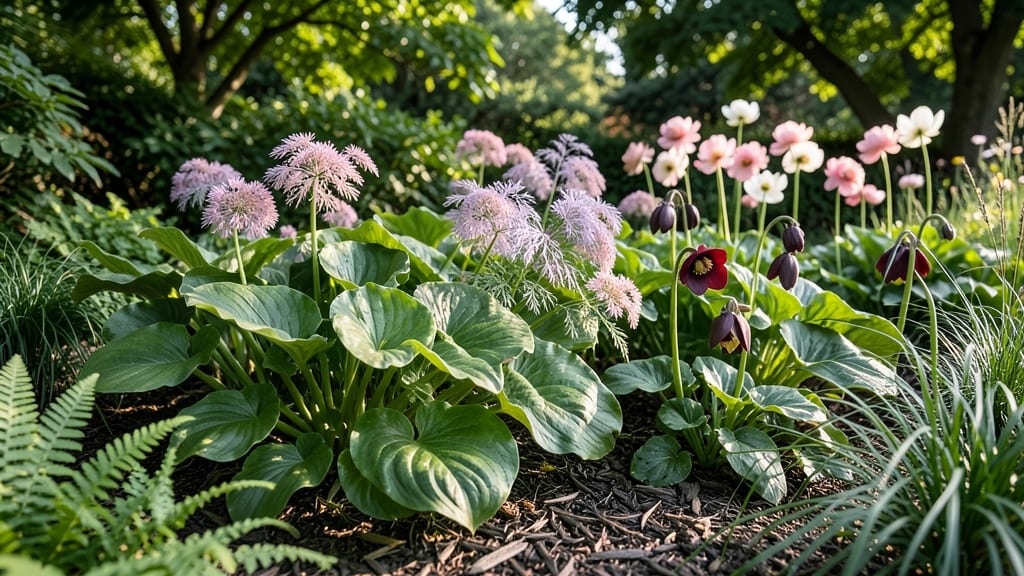
Hostas are the backbone of shade gardens, offering lush foliage and year-round interest. These 10 layered hosta bed ideas transform shady spaces into vibrant, low-maintenance retreats with textures, colors, and seasonal surprises.
Classic Blue and Gold Hosta Monochromatic Beds
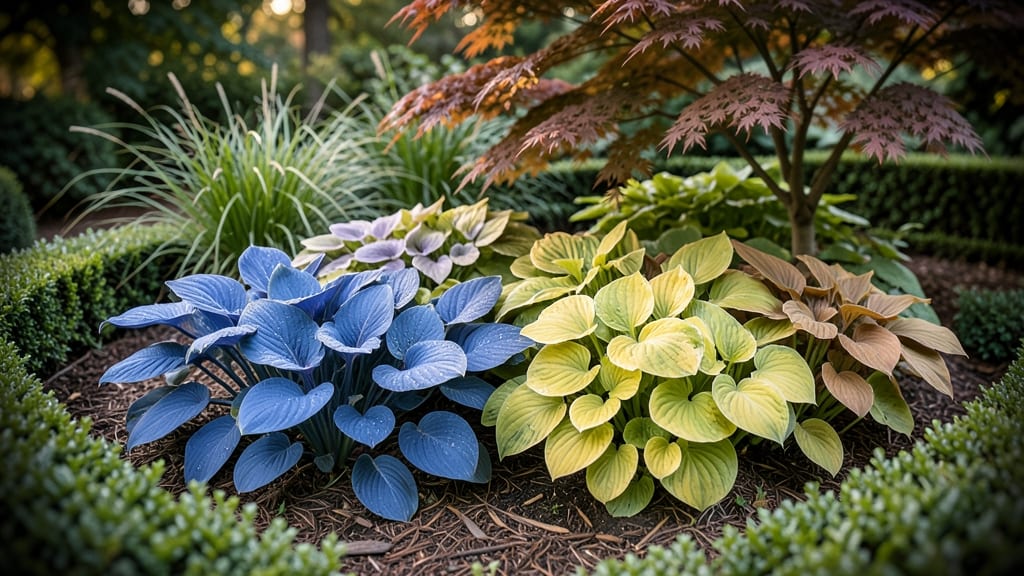
Transform your garden into a serene sanctuary with blue and gold hosta monochromatic beds, a design that effortlessly blends elegance with nature. This timeless combination creates a cohesive, Zen-inspired look perfect for formal gardens or tranquil outdoor spaces.
Start by selecting varying shades of blue (like 'Blue Angel' or 'Halcyon') and golden hues (such as 'Golden Picturing' or 'Francee') to create depth and visual interest. Pair these with delicate ferns like Japanese painted fern or autumn fern to soften the edges and add texture. Plant taller hostas in the back, medium varieties in the middle, and smaller ones in front for a layered effect.
This design thrives in partial to full shade and requires minimal maintenance, making it ideal for gardeners who love a polished look without the upkeep. The harmonious color palette creates a calming atmosphere, perfect for meditation or relaxing outdoor moments. 💚
Variegated Hosta Striped Waterfall Design
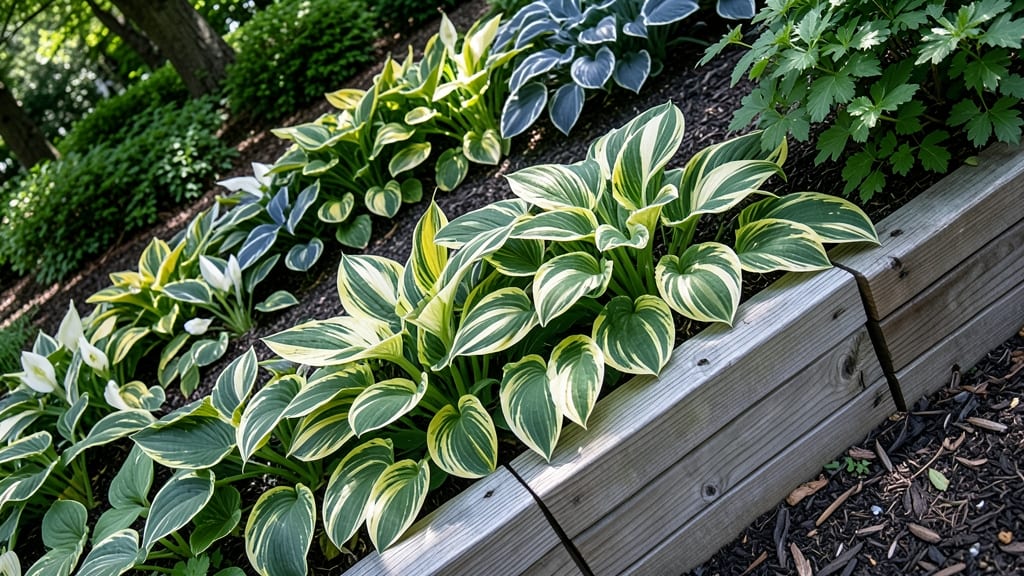
Turn a shady slope or raised bed into a living waterfall with variegated hostas that spill and cascade like a botanical curtain. This design plays with light and shadow, using white, yellow, and green striped foliage to create a mesmerizing, ever-changing display as the sun moves across the sky.
Start by selecting hostas with contrasting variegation—like ‘Francee’ (golden edges) or ‘Guacamole’ (chartreuse and cream stripes)—and arrange them in staggered tiers along the slope or raised bed’s edge. Let the largest varieties spill over the front, with medium and small hostas cascading behind for depth. Add moss-covered stones or shale edging to define the flow and prevent soil erosion. Mulch with wood chips to keep roots cool and retain moisture, which is especially important for these thirsty plants.
This design is perfect for urban gardeners with slopes or small-space enthusiasts who want drama without depth. The striped foliage reflects light differently throughout the day, making it a sun-catching spectacle that’s as functional as it is beautiful. 💚
Miniature Hosta Fairy Garden Beds
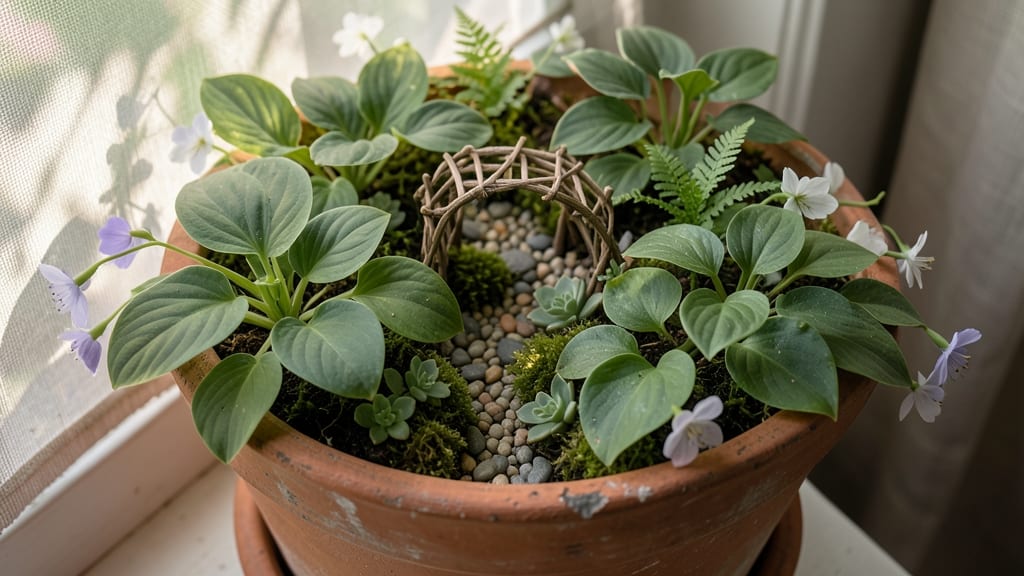
Bring enchantment to tiny spaces with miniature hosta fairy garden beds, where whimsy meets practicality in a container. This design transforms even a balcony or windowsill into a magical micro-world, perfect for gardeners with limited room or those who love playful, low-maintenance projects.
Use dwarf hosta varieties like 'Pandora's Box' or 'Blue Mouse Ears' (mature size under 6 inches) as the stars, nestled in a shallow tray or large pot filled with well-draining soil. Add a base layer of sphagnum moss for texture, then scatter smooth river pebbles or crushed granite to create pathways. Top it off with miniature accessories like tiny mushroom toadstools, fairy doors, or dwarf garden stakes—available at specialty shops or Etsy—to complete the scene.
This design thrives in partial shade and requires minimal upkeep, making it ideal for busy gardeners or urban dwellers who want instant charm. The contained setup prevents slugs and pests, while the tiny scale means you can experiment with seasonal swaps (like adding winter moss ornaments) without long-term commitment. 🌷
Sunburst Hosta Centerpiece with Fern Halos
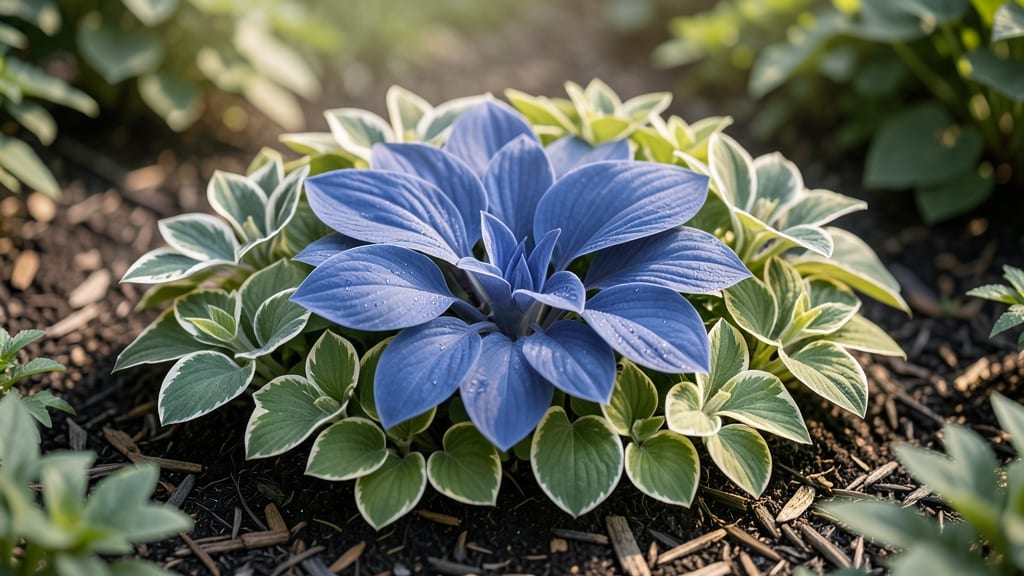
Create a striking focal point in your shade garden with a sunburst hosta centerpiece—a bold design that mimics the natural radiance of sunlight filtering through leaves. This eye-catching arrangement places a large, dramatic hosta (like 'Blue Angel' or 'Patriot') at the center, surrounded by progressively smaller hostas and ferns in concentric circles, creating a sense of movement and depth.
Start by selecting a giant hosta (3-4 feet wide) as your centerpiece, then choose 3-4 medium varieties (18-24 inches) for the second ring, and 5-6 small hostas (12-18 inches) for the outer halo. Weave in fern varieties like Ostrich fern or Lady fern between hostas to soften transitions and add texture. Mulch with shredded bark to maintain moisture and suppress weeds, while keeping the bed tidy.
This design works beautifully in woodland gardens, courtyard spaces, or as a standalone feature—ideal for gardeners who love high-impact, low-maintenance solutions. The circular pattern naturally draws the eye while blending seamlessly with surrounding foliage. 🌟
Textured Hosta and Heuchera Contrast Beds
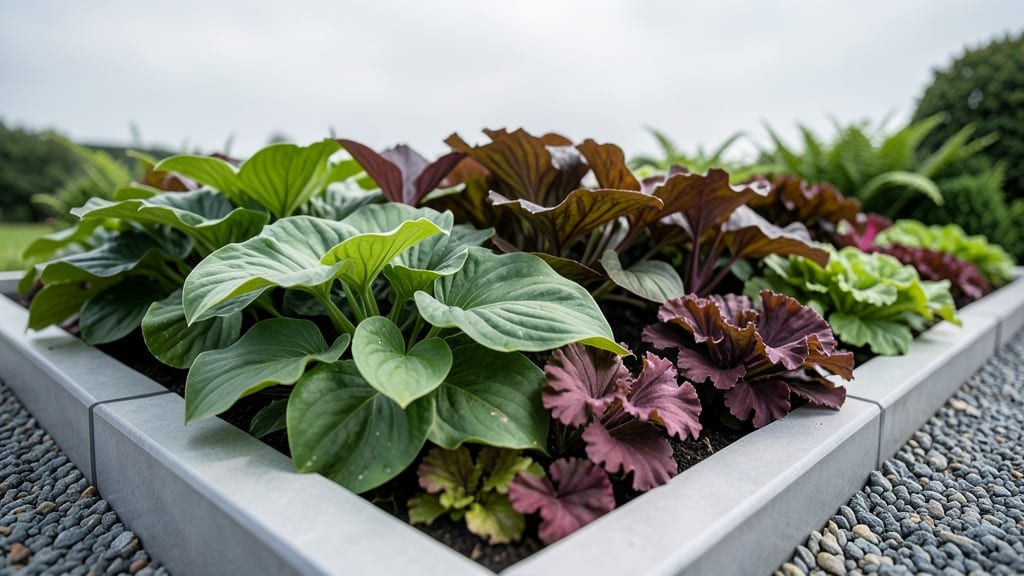
Elevate your modern garden with textured hosta and heuchera contrast beds, a bold yet effortless design that turns shade into a striking visual statement. This pairing leverages the deep, glossy leaves of hostas with the velvety, vibrant foliage of heucheras to create a dynamic contrast that thrives in contemporary landscapes.
Start by selecting hostas with bold colors like 'Blue Angel' or 'Patriot' and pair them with heucheras in complementary hues, such as 'Palace Purple' or 'Lime Rickey'. Arrange them in alternating rows or clusters to create visual interest, ensuring taller varieties face the back of the bed. Use geometric mulch patterns—like crushed gravel or black rubber mulch—to define clean lines and enhance the modern aesthetic. This design thrives in partial to full shade and requires minimal upkeep, making it perfect for urban gardens or low-maintenance landscapes.
This striking combination is ideal for modern gardeners who want to make a statement without sacrificing ease of care. The year-round color ensures your garden remains vibrant, even in winter. ✨
Seasonal Hosta Color Wheel Beds
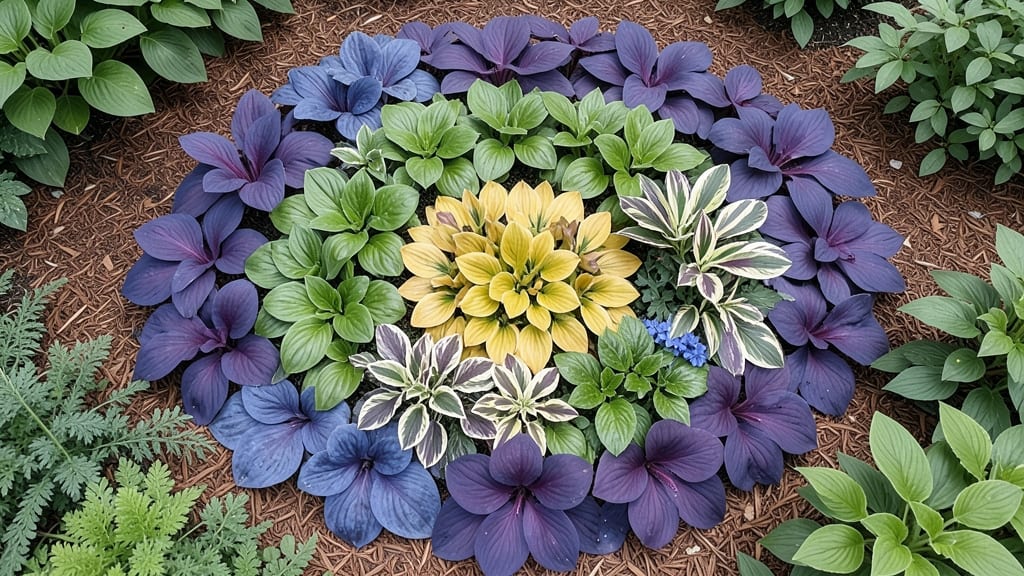
Turn your hosta bed into a living color theory lesson with a seasonal color wheel design that evolves with the year while keeping your garden vibrant and dynamic. This approach lets you showcase hosta’s stunning foliage palette—from deep purples to sunny golds—without replanting, simply by rotating varieties based on seasonal interest.
Start by arranging hostas in a smooth gradient around your bed, grouping cool blues and purples (like 'Blue Angel' or 'June') next to warm yellows and golds (such as 'Francee' or 'Golden Tiara'). In spring, feature bright variegated varieties like 'Halcyon' for a fresh pop, then transition to deep burgundies (like 'Purple Heart') in autumn. Add seasonal accents—such as Japanese anemones or heucheras—to bridge gaps while teaching your eye how colors interact naturally.
This design is perfect for educational gardens, schoolyards, or creative landscapes where beauty meets learning. By rotating plants every few years, you keep the bed fresh while reinforcing how color harmony works in nature—all while enjoying hostas’ low-maintenance charm. 🌟
Hostas with Dramatic Purple Undersides
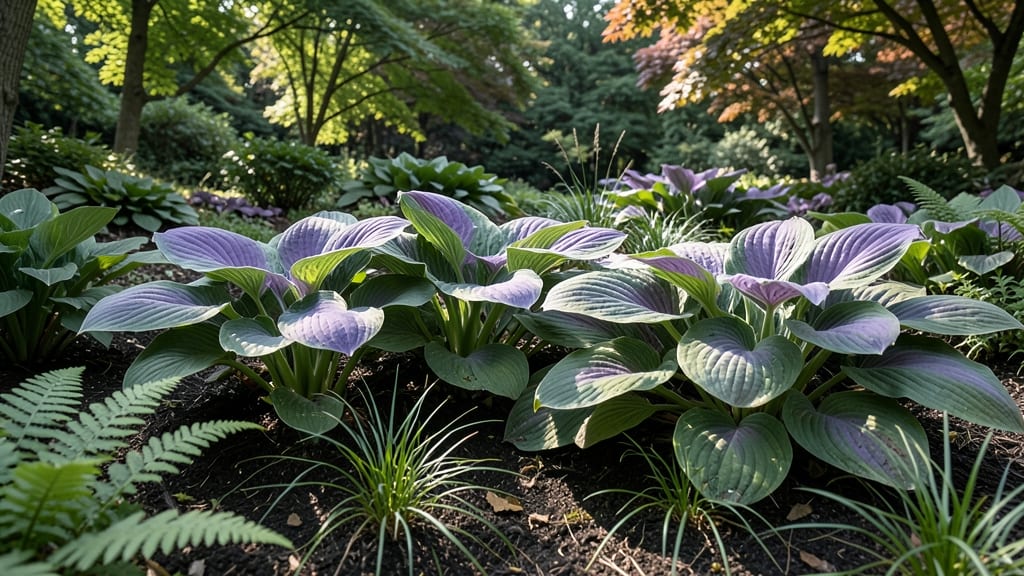
Add a touch of mystery to your shade garden with hostas that reveal their stunning purple undersides when the wind rustles their leaves. This unique lighting effect creates a dynamic, ever-changing display that feels like a secret only nature knows—until you step into the garden and watch the foliage dance in the breeze.
Look for varieties like 'Royal Standard' or 'Blue Angel', which boast deep green tops and dramatic purple undersides that catch the light like hidden jewels. Plant them in windy areas where leaves will naturally flutter, or position them near pathways where visitors can lean in to discover the surprise. Pair with light-colored mulch (like white gravel) to enhance the contrast when leaves flip in the wind.
This design is perfect for garden tour hosts or windy coastal gardens, where the visual drama becomes a conversation starter. Even in still air, the contrast between tops and undersides adds depth—making it a low-maintenance way to create intrigue. ✨
Hostas in Terracotta Pot Arrangements
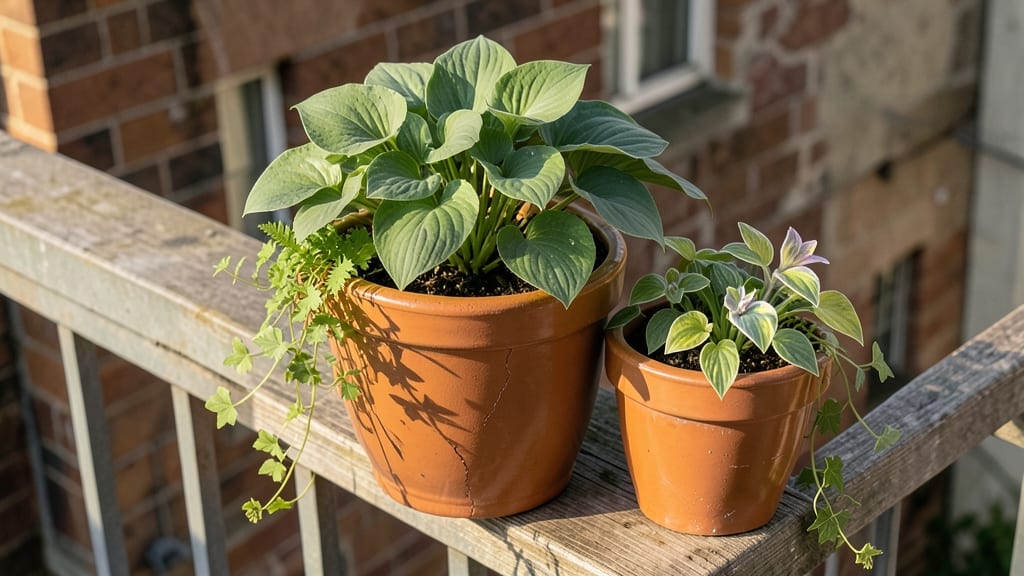
Bring the charm of hostas to small urban spaces with terracotta pot arrangements—a flexible, mobile solution for balconies, patios, or even windowsills. Unlike fixed garden beds, these pots let you rearrange your display seasonally for fresh visuals without replanting, making them perfect for renters or gardeners with limited space.
Start with terracotta pots in varying sizes (8–16 inches) to create depth, and choose hostas with contrasting foliage—like ‘Francee’ (gold edges) paired with ‘Blue Angel’ (deep purple). Place pots on a wooden deck or metal stand to elevate them and allow airflow, which helps prevent slugs. Group 3–5 pots together for impact, and add trailing ivy or heuchera to soften edges. Water deeply when the top inch of soil feels dry, and move pots to follow morning sun in cooler months.
This approach is ideal for urban gardeners with shade who crave versatility—swap pots every few months to refresh your space or rotate hostas to different light conditions. The portable nature means you can even bring them indoors during winter for a pop of greenery. ✨
Hosta and Moss Ground Cover Living Tapestry
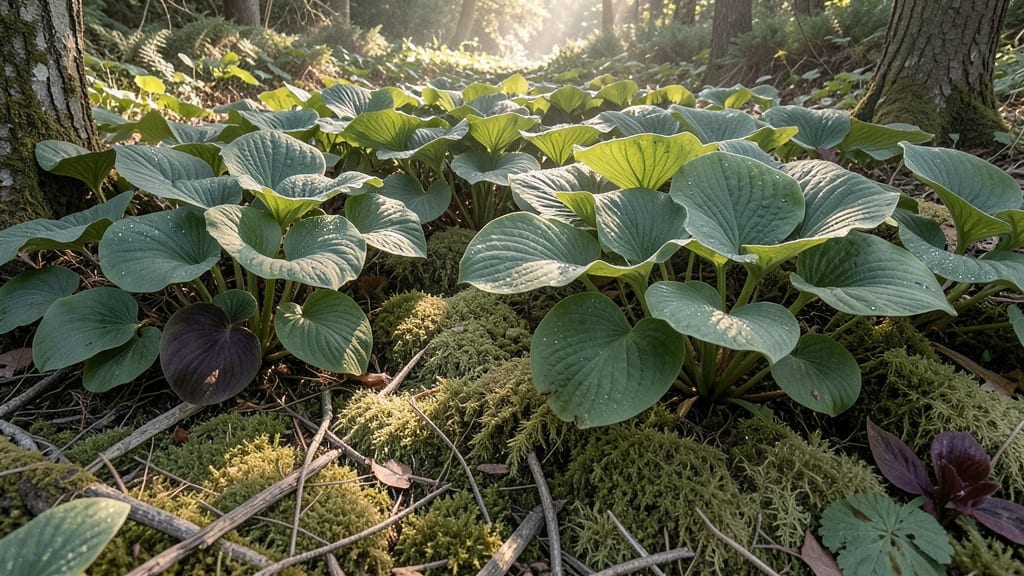
Turn your deepest, darkest corners into a velvety woodland retreat with a hosta and moss living tapestry—a design that mimics nature’s own ground cover. This self-sustaining bed thrives in full to partial shade, where most plants struggle, by combining lush hostas with creeping moss to create a seamless, low-maintenance carpet.
Start by preparing the soil with a thick layer of organic matter (like composted leaves or shredded bark) to encourage moss growth. Plant medium to large hostas (such as 'Francee' or 'Blue Angel') in clusters, leaving just enough space for the moss to spread between them. Water regularly for the first few months to establish the moss, then let nature take over—this bed becomes self-sustaining once the moss matures, suppressing weeds and retaining moisture.
Perfect for woodland gardeners, eco-conscious landscapers, or those with high-maintenance aversions, this design requires almost no upkeep beyond occasional hosta division every few years. The result? A cool, lush understory that feels like stepping into a fairy forest. 💚
Hostas with Unexpected Flowering Companions

Tired of hosta beds that look stunning in summer but fade into forgettable green by fall? Pair your hostas with seasonal bloomers like astilbes, hellebores, or Japanese anemones to extend their visual appeal year-round. These shade-loving flowers add delicate plumes, fragrant blooms, or late-season color while thriving in the same conditions as hostas.
Start with early bloomers like hellebores (winter to spring) or Japanese anemones (late summer to fall), then layer in astilbes for mid-to-late summer feathery plumes in soft pinks, purples, or whites. Plant flowers in clusters between hostas to create natural pockets of color—taller bloomers (like anemones) in back, medium-height astilbes in the middle, and low-growing hellebores in front. Mulch with wood chips to retain moisture and suppress weeds, keeping the bed tidy while supporting both plants.
This combo is perfect for shade garden enthusiasts who want year-round interest without sacrificing hostas’ lush foliage. The flowers also attract pollinators, adding life to your garden while keeping maintenance simple. 🌿