
Flowers
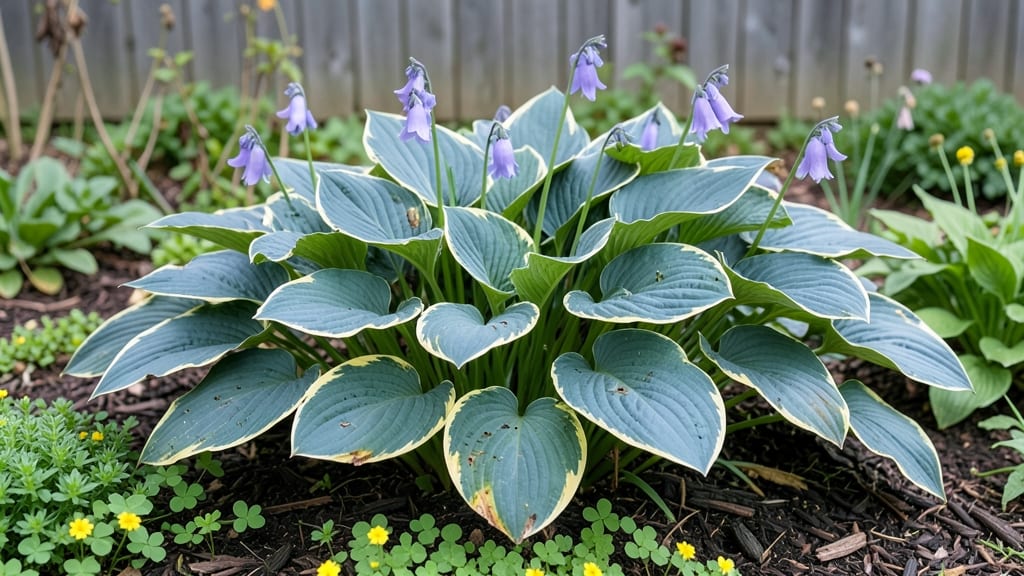
A hosta flower bed turns dull shade corners into a garden’s most lush focal point—where bold foliage and texture steal the show year after year.
Picture this: deep purple hostas framed by delicate ferns, their edges kissed by golden sunlight filtering through trees. The magic? Layering plants by height and color creates depth, while shade-tolerant companions keep the drama going even when hostas take a summer nap.
Most gardeners stop at hostas alone, but the real secret lies in pairing them with textured perennials like heuchera or ajuga. These combos add movement, extend bloom seasons, and cut down on maintenance—because let’s be honest, no one wants to spend weekends weeding.
In this guide, I’ll show you how to mix foliage, flowers, and ground covers for a bed that’s as easy to care for as it is stunning. Think year-round interest with zero fuss—your shady spots deserve this kind of attention.
How to design a stunning hosta flower bed with strategic plant layering
Creating a hosta flower bed that wows all year starts with strategic layering—combining plants by height, color, and texture to build depth and movement.
Since hostas thrive in shade to partial shade, we’ll focus on evergreen perennials, ferns, and ground covers that complement their lush foliage while keeping maintenance simple. The key? Tiered planting that draws the eye upward and ensures seasonal interest, even when hostas aren’t blooming.
Begin by assessing your space’s light conditions—hostas prefer 3–6 hours of morning sun but can handle full shade in hot climates. Group plants with similar water needs (most hosta companions love moist but well-draining soil) to avoid over- or under-watering.
A well-layered bed should have 3 distinct tiers: top, mid, and ground cover, each playing a role in texture, color, and seasonal drama.
Start with your tallest hostas (like 'Blue Angel' or 'Sum and Substance') as focal points at the back or center of the bed. These varieties reach 2–4 feet tall and command attention. Place them 18–24 inches apart to allow airflow and prevent slugs from hiding in dense foliage.
For a softened edge, add Astilbe or Foamflower—both provide airy blooms in late spring that contrast hostas’ bold leaves.
In the mid-tier, introduce fern varieties (e.g., Japanese Painted Fern) and Heuchera for colorful foliage that thrives in shade. These plants stay compact (12–24 inches) and fill gaps between hostas. Brunnera, with its heart-shaped leaves and blue flowers, is a standout for spring interest.
Space them 12–18 inches apart to create a lush, textured carpet.
Ground covers are the secret to low-maintenance beds—they suppress weeds, retain moisture, and add seasonal color. Ajuga (with its purple spikes in spring) and Sweet Woodruff (fragrant and deer-resistant) are perfect for shady spots.
Plant these 6–12 inches apart and let them spill over edges for a natural, wild garden look. Avoid overcrowding; give each plant room to spread without competing with hostas.
Color coordination is where magic happens. Use the 60-30-10 rule: 60% hostas (your base), 30% mid-tier plants (ferns, Heuchera), and 10% ground covers or accents (e.g., Coral Bells in 'Lime Rickey').
For example, pair blue hostas with silver Brunnera and purple Ajuga for a cool-toned palette, or mix golden hostas with deep green ferns for a warm, sunlit feel. Add one pop of color—like pink Japanese Anemone—to draw the eye in late summer.
Don’t forget seasonal interest! While hostas shine in summer and fall, other plants keep your bed lively year-round. Hellebores bloom in early spring, Sweet Woodruff stays green all winter, and evergreen ferns provide structure when hostas go dormant.
Even in winter, a well-layered bed will have texture and movement—no sad, empty patches here!
After planting, mulch generously (2–3 inches of shredded bark or leaf mold) to retain moisture and suppress weeds. Hostas hate fluctuating soil temps, so mulch helps them stay cool in summer and protected in winter.
Revisit your bed in early spring to divide overcrowded hostas and fill any gaps with new foliage plants or spring bloomers like Bleeding Heart.
For extra drama, add lighting—solar-powered spotlights can highlight hostas’ variegated patterns at night, while uplighting (placed near taller plants) creates a moonlit effect.
If your bed has a dry edge, consider adding a small water feature (like a bubble fountain) to attract hummingbirds and keep the air fresh. Just ensure it’s shade-tolerant and won’t dry out quickly.
Your hosta flower bed should evolve with the seasons—spring blooms, summer foliage, fall color, and
Best companion plants for hostas in shade gardens (beyond the basics)
Most gardeners pair hostas with ferns or astilbe, but the real magic happens when you mix in unexpected textures and seasonal blooms. Think of hostas as the backbone of your shade garden—then layer in plants that add height, color, and movement without stealing the spotlight.
The key? Choosing companions that thrive in the same moist, shady conditions while offering pest deterrence and extended interest.
For example, fragrant sweet woodruff not only suppresses weeds but releases a vanilla-like scent when crushed, while Japanese anemones provide late-summer blooms when hostas are winding down. These pairings turn a static foliage display into a dynamic, ever-changing garden that keeps you reaching for your camera all season.
5 Overlooked Hostas Companion Plants That Elevate Your Flower Bed
- 1. Tiarella (Foamflower): Delicate foliage and spring blooms that contrast hosta’s bold leaves; thrives in moist, shady spots. 🌿
- 2. Hellebores (Lenten Rose): Early spring blooms (pink, white, purple) that provide color when hostas are still dormant. 💜
- 3. Coral Bells (Heuchera): Vibrant foliage (e.g., 'Palace Purple', 'Lime Rickey') that adds texture and extends the color palette beyond hosta’s greens. 🔥
- 4. Sweet Woodruff (Galium odoratum): Fragrant ground cover with star-shaped white flowers; suppresses weeds and attracts pollinators. 🌸
- 5. Japanese Anemone (Anemone hupehensis): Late-summer blooms (pink/white) that bridge the gap between spring and fall interest. 🌹
Pro Tip: Group plants with similar water needs to simplify care—most hosta companions prefer consistently moist (but not soggy) soil.
Don’t overlook evergreen options like Christmas fern or Alum Root (Heuchera americana), which keep your bed visually interesting even in winter. Their leathery leaves add structure, while their subtle color shifts (from bronze to chartreuse) keep things fresh.
Pair these with hosta varieties like 'Halcyon' or 'Blue Angel' for a cool-toned palette that feels serene and sophisticated.
For a sensory experience, incorporate fragrant plants like Sweet Woodruff or Lungwort (Pulmonaria). The latter offers spotted spring blooms that transition to hairy seed heads, adding winter texture.
Plant it near pathways so you can brush against the leaves and release their subtle vanilla-mint aroma. This dual-purpose approach makes your hosta flower bed both beautiful and interactive.
One of my favorite pest-deterrent pairings is hostas with chives or garlic chives. Their pungent scent confuses slugs and snails, which are hostas’ arch-nemeses. Plus, the delicate purple blooms of chives add a soft contrast to hosta’s bold foliage.
For a wildflower touch, toss in wild ginger (Asarum)—its heart-shaped leaves create a lush carpet while keeping weeds at bay.
Remember: the secret to a thriving hosta bed isn’t just choosing pretty plants—it’s layering textures, colors, and bloom times to create movement and interest across seasons.
Start with your tallest hostas as the backdrop, then add mid-height perennials like heuchera, and fill gaps with ground covers or bulbs for year-round appeal. Your shade garden will thank you!